
Vandaag of morgen in huis

Kwaliteit gegarandeerd

Welkomstaanbiedingen ontgrendelen: GRATIS bezorging | Tot 80% korting | Gratis 30 dagen JoyPlus-proefperiode
Download de app
A light that switches on automatically when you approach is more than just a convenience. It's practical in the hallway, safe by the front door, and energy-efficient in the shed. But the market for motion sensor lights is vast, and not every light delivers on its promise. Before you make a choice, it's wise to know where the pitfalls lie.
Many models look ideal on paper but prove to be impractical or break down quickly. These are the three most common problems to watch out for:
Fortunately, these problems can be avoided by paying attention to a few key specifications.
To avoid a poor purchase, you don't need to sift through technical manuals. Focus on the following three points, and you can be sure you're choosing a functional and durable product.
For any outdoor wall light with a sensor or garden lighting with a sensor, the IP rating is crucial. This value indicates how well the housing is protected against dust and water.
For indoor lighting, such as a night light with a sensor or closet lighting with a sensor, a high IP rating is usually not necessary, unless you plan to place the light in a humid bathroom.
The choice of power source determines where you can place the light and how much maintenance it requires.
A good LED light with a sensor allows you to adjust the sensitivity, detection range, and illumination duration (how long the light stays on after detection). This helps you avoid the oversensitive sensor pitfall. For a driveway, you'll want a longer range than for a wardrobe. An adjustable duration, from 30 seconds to several minutes, ensures the light doesn't stay on unnecessarily, which saves battery life or your energy bill.
Based on these criteria, we have selected a number of products that suit different users.
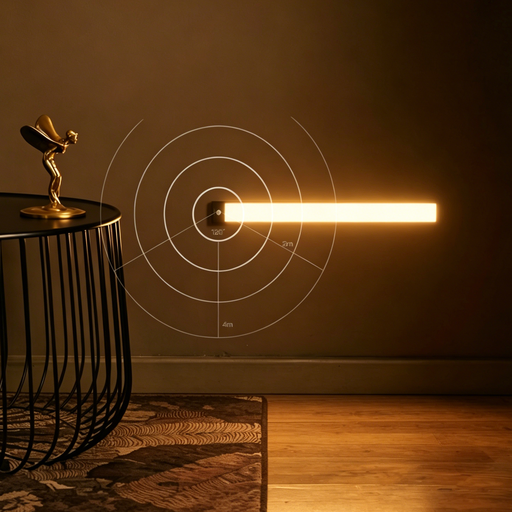
Why This Fits Their Persona: Ideal for those who want hassle-free light in a closet, drawer, or on the stairs. Installation is simple thanks to the magnetic mount, and the light is rechargeable, so no fuss with disposable batteries.
This light is specifically designed for short ranges, preventing the sensor from triggering unnecessarily. Because it's rechargeable, you avoid the recurring cost of disposable batteries.
Ultra-slim design: Fits discreetly in tight spaces.
USB-C rechargeable: Modern and practical to use.

Why This Fits Their Persona: For those who prioritise security around their home. This light delivers a powerful beam (1000 lumens) and runs entirely on solar power, meaning no installation costs or electricity consumption.
The IP44 rating ensures the light can withstand typical weather conditions. The combination of a dusk-to-dawn and motion sensor maximises efficiency, extending battery life.
High light output: 1000 lumens for bright illumination.
No electricity costs: Runs entirely on solar power.
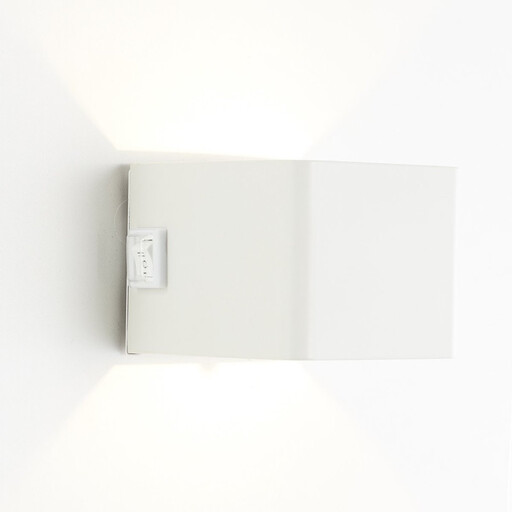
Why This Fits Their Persona: Perfect for those looking for a light that can be used anywhere. Use it in the shed, take it camping, or stick it on the balcony. The magnetic mount and rechargeable battery make it extremely versatile.
The IP44 rating makes it suitable for sheltered outdoor use. The USB-rechargeable battery eliminates the need to constantly buy batteries, avoiding the pitfall of high maintenance costs.
Wireless and magnetic: Place it anywhere without drilling.
Suitable for indoor and outdoor use: Flexibly deployable.
We've compiled a complete, up-to-date list of products that fully meet these strict selection criteria and safety regulations.
This depends heavily on the battery capacity, the quality of the light, and how often the sensor is activated. A good rechargeable light can last from several weeks to months on a single charge with average use. Models that use disposable batteries often need to be replaced more frequently. Check the specifications for the estimated battery life, often expressed in hours or number of activations.
Yes, as long as you choose the correct IP rating. For a spot under an overhang, IP44 (splash-proof) is sufficient. If you're mounting the light in an exposed location where it will be directly in the rain, choose IP65 (water-jet resistant) or higher for a guaranteed long lifespan.
Do not place a sensor directly opposite a heat source (like a boiler vent or an AC unit) or in direct sunlight. Most sensors react to changes in heat, and this can cause false triggers. Also, avoid areas with a lot of movement you don't want to detect, such as a busy pavement right next to your garden path.
