
Vandaag of morgen in huis

Kwaliteit gegarandeerd

Welkomstaanbiedingen ontgrendelen: GRATIS bezorging | Tot 80% korting | Gratis 30 dagen JoyPlus-proefperiode
Download de app
A motion sensor light seems like a simple purchase. It should turn on when you approach and stay off when no one is around. Yet, the search often leads to frustration. A sensor that only reacts when you're practically walking into the door, or an outdoor light that shows rust spots after a single season of bad weather.
As a Product Recommendation Officer at Joybuy, I see where things often go wrong. Before you make a choice, it's wise to consider a few common pitfalls. This way, you can avoid wasting money on a product that doesn't deliver on its promise.
By paying attention to a few key specifications, you can effortlessly navigate around these problems and choose a light that truly works for your situation.
A lamp's specification list can be overwhelming. Focus on these three points, and you're guaranteed to make a better choice.
The IP (Ingress Protection) rating indicates how well a device is protected against dust and moisture. For an outdoor sensor light, this is crucial.
So, choose an IP rating that matches the location where you want to install the light. For a volatile climate, a higher rating is rarely an unnecessary luxury.
The power supply determines not only the installation but also the flexibility and operational costs.
All types now use LED lighting with a sensor due to low energy costs and long lifespan.
A good sensor is more than just a motion detector. Pay attention to the following features:
Below are some products that align well with different needs, based on their specifications.
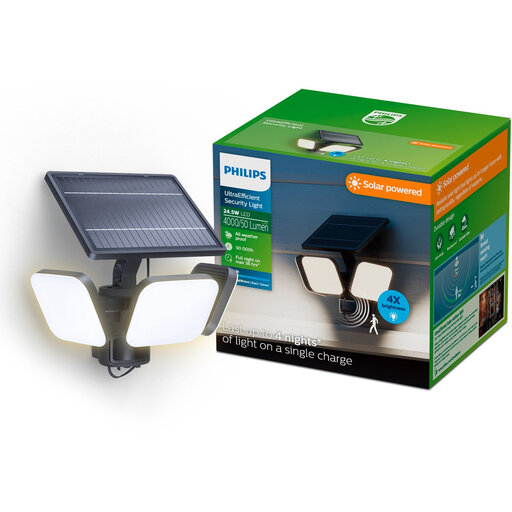
Why This Fits Their Persona: For those who take security seriously. This lamp is designed to illuminate large outdoor areas such as driveways, gardens, and yards with a powerful beam of light. The combination of a wide detection range and high light output works effectively as a security lamp.
The IP65 rating and robust materials counter the "not weather-resistant" pitfall. This lamp is built for harsh climates. The superior sensor with a lateral range of 16 metres prevents the frustration of an unreliable detector.
Very high light output of 4000 lumens and a wide detection range. Runs on solar power, so no installation costs or electricity consumption.
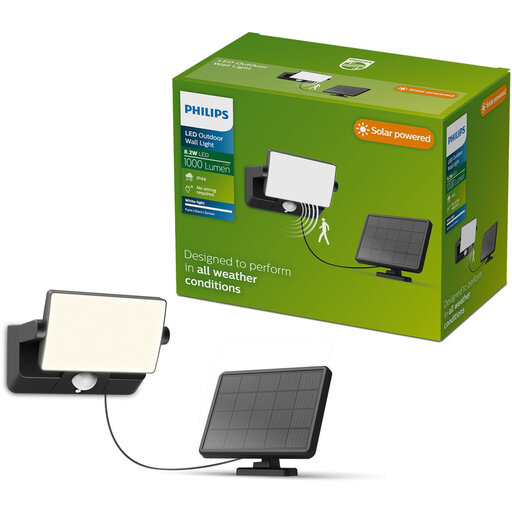
Why This Fits Their Persona: Ideal for those seeking a practical, eco-friendly solution without the fuss. Perfect for illuminating a garden path, shed door, or dark corner where there's no power outlet. Just install, let it charge, and you're done.
This lamp completely solves the "complex installation" pitfall. Because it runs on solar power, no wiring is needed. Mounting it in a sunny spot is all it takes. The IP44 rating is perfectly fine for installation under a small overhang.
No energy costs and maximum placement flexibility. The lamp has two modes, including an 'On' mode to keep the light on continuously if desired.
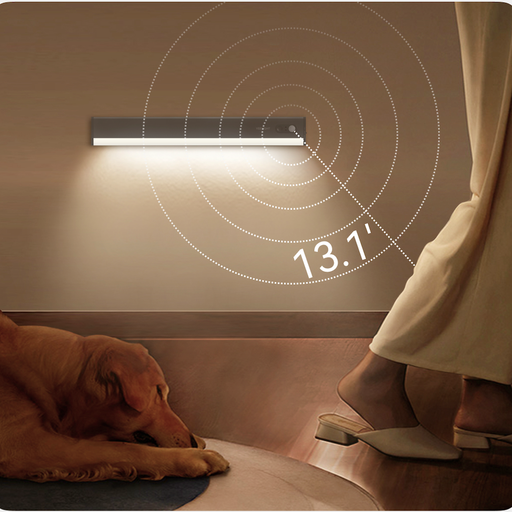
Why This Fits Their Persona: For anyone who needs light in places where a normal lamp is impractical. Think inside a wardrobe, a deep kitchen drawer, the cupboard under the stairs, or a dark hallway. No more fumbling for a light switch.
This is a specific solution for an indoor problem. It prevents you from buying an oversized or unsuitable outdoor light for indoor use. The magnetic mounting makes installation child's play, and the rechargeable battery avoids the hassle of cables.
Ultra-thin and lightweight design. Easy to mount and move thanks to the magnetic strip. Rechargeable via USB, so no batteries needed.
We have compiled a complete, up-to-date list of products that meet these selection criteria and comply with current regulations.
A motion sensor reacts to physical movement within its detection field and then switches the light on. A dusk-to-dawn sensor (also called a day-night sensor) measures the amount of ambient light. It switches the light on when it gets dark and off again when it gets light. Many modern outdoor lights combine both: the dusk-to-dawn sensor ensures the system is activated at night, after which the motion sensor actually switches the light on when movement is detected. This is the most energy-efficient configuration.
Performance in winter depends on the efficiency of the solar panel and the capacity of the battery. High-quality models, such as the Philips Zyren, are designed to last for several nights on a full charge, according to the manufacturer. However, during long, cloudy periods with little daylight, the illumination time may decrease. For optimal results, it is important to place the lamp in a location where the solar panel can capture as much direct sunlight as possible during the day.
Yes, some models offer that flexibility. They often have a switch with different modes, such as 'Auto' (sensor mode) and 'On' (continuously on). The Philips Fyns is an example of a lamp that offers this functionality. Always check the product description to see if this option is available, as it is not standard on every motion sensor light.
