
Vandaag of morgen in huis

Kwaliteit gegarandeerd

Welkomstaanbiedingen ontgrendelen: GRATIS bezorging | Tot 80% korting | Gratis 30 dagen JoyPlus-proefperiode
Download de app
A light that turns on automatically when you enter a dark hallway or need to use the restroom at night. It sounds ideal: more convenience, enhanced safety, and a lower energy bill. Yet, the search for the perfect motion sensor light often ends in frustration. Many models overpromise and underdeliver, leaving you with a light that has a mind of its own or ends up in a drawer after just a few months.
Before you make a purchase, it's wise to understand the most common pitfalls. This will help you avoid buyer's remorse and choose a light that truly works for you.
rechargeable sensor light that promises to "last for months" is often dead within two weeks of normal use. This is due to unrealistic promises and small batteries.wireless light models are marketed with the promise of tool-free installation, but the included adhesive strips often fail after a short time, especially on textured walls.To make the right choice, you don't need to memorise technical specifications. Just pay attention to the following three practical points.
Not all sensors work the same way. The two most common types are:
stair lighting. A good indoor range is 3 to 5 metres.night light with sensor that needs to provide a soft glow throughout the night.Many lights combine both sensors: they only activate upon motion and when it's dark enough. This is the most energy-efficient option.
The power source determines where and how you can use the light.
rechargeable sensor light offers maximum flexibility. You can place it anywhere without worrying about outlets. Ideal for closet lighting with a sensor. Pay attention to the battery capacity, expressed in mAh (milliampere-hour). A higher value generally means a longer runtime.The ambiance and functionality of the lighting depend on the light colour and intensity.
night light with sensor. This allows you to set a soft glow that won't be blinding when your eyes are adjusted to the dark.Based on these criteria, we have selected a number of products that suit different needs and situations.

Why This Fits Their Persona: Perfect for renters or anyone who wants to avoid drilling. These wireless lights are ideal as cabinet lighting, under kitchen cupboards, or in a dark hallway. Because they are USB rechargeable, there's no fuss with cables or outlets.
Addresses the "complex installation" pitfall with simple mounting via adhesive strips. The battery capacity of 1100mAh is clearly specified, which prevents vague promises about runtime.
Choice of three colour temperatures (warm, neutral, and cool white). Drill-free installation. Comes as a set of two.
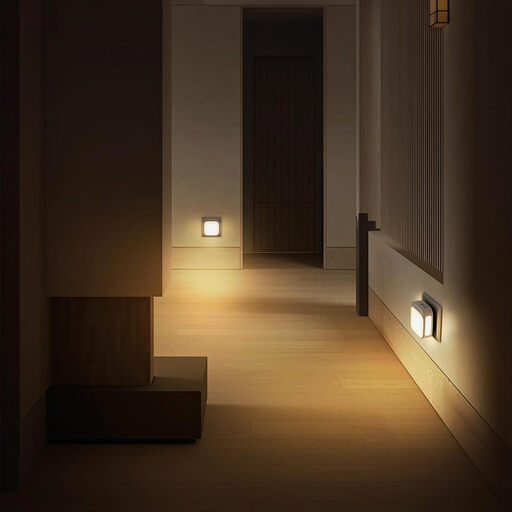
Why This Fits Their Persona: Ideal for parents looking for a soft, safe light for a child's room or nursery. The light provides a warm glow, and the dusk-to-dawn sensor ensures it only turns on when it's dark, without you having to do a thing.
This model uses a reliable dusk-to-dawn sensor instead of a motion sensor, which prevents the light from turning on and off unnecessarily. Because it plugs into an outlet, there are no worries about dead batteries.
Stepless dimming (10%-100%) for the perfect brightness. Provides a comfortable warm white light (2800-3000K). Highly energy-efficient with a consumption of only 0.3W.
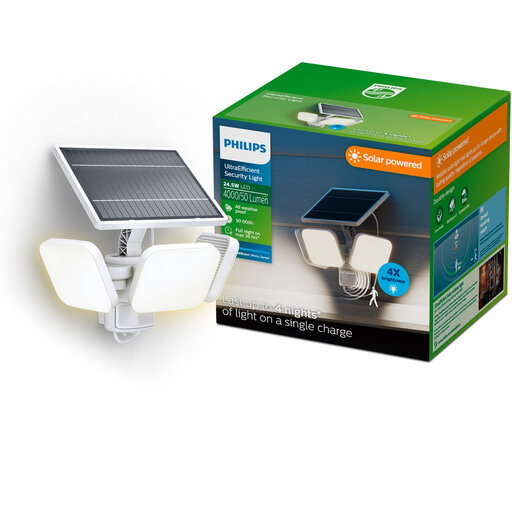
Why This Fits Their Persona: Specifically designed as an `outdoor light with motion sensor` for home security. It runs on solar power, so there are no installation costs or energy consumption. The high light output and wide detection range deter unwanted visitors.
Tackles the unreliable sensor pitfall with what Philips claims is a superior PIR sensor with a detection range of up to 16 metres. Because it's solar-powered, it bypasses the problem of replacing batteries in a hard-to-reach place.
Runs entirely on solar power. Very high light output (4000 lumens). Water-resistant with an IP65 rating, suitable for all weather conditions.
We've curated a complete, up-to-date list of products that fully meet these strict selection criteria and safety standards.
This depends heavily on the battery capacity (mAh), the set brightness, and how often the light is activated. A model with a capacity of 1000mAh or more can last from several weeks to months with average use (about 10 activations per day). Always check the manufacturer's specifications for an estimate.
For outdoor use, the IP rating is crucial. This indicates how well the light is protected against water and dust. IP44 means it's splash-proof, which is sufficient for a sheltered location like under an eave. For exposed areas where the light is directly subjected to rain, IP65 or higher is recommended.
A motion sensor (PIR) responds to movement. A dusk-to-dawn sensor responds to the amount of ambient light. Many modern lights combine both: the light only turns on when motion is detected and it is dark enough. This saves the most energy.
