
Vandaag of morgen in huis

Kwaliteit gegarandeerd

Welkomstaanbiedingen ontgrendelen: GRATIS bezorging | Tot 80% korting | Gratis 30 dagen JoyPlus-proefperiode
Download de app
A dark hallway, a cluttered closet, or finding your way to the bathroom at night. These are minor, daily inconveniences easily solved with motion sensor LED lighting. However, the market is flooded with an overwhelming number of choices, and not every light is practical. Before you make a purchase, it's crucial to know what to look for to avoid wasting money on a product that fails after just a few months.
As a Product Recommendation Officer at Joybuy, I see countless products come and go. I'm here to help you see through the marketing jargon and focus on what really matters. These are the most common pitfalls:
To avoid the problems mentioned above, there are a few specifications you should always check. These factors determine a light's practicality for daily use.
The power source dictates where and how you can use the light.
A good sensor does more than just detect motion.
Not all light is created equal. The right settings make a light far more versatile.
Based on these practical criteria, we've selected a few products that suit different user profiles.

Why This Fits Their Persona: Ideal for anyone who wants to quickly add light to cabinets, drawers, or a dark hallway without drilling. The two-pack is practical for tackling multiple spots at once. The ultra-slim design fits anywhere.
The robust 1100mAh battery prevents the frustration of constant recharging. Installation with the included adhesive strip is simple and reliable, without the hassle of peeling parts.
Three adjustable color temperatures (warm, neutral, cool) and a convenient 2-pack make for a versatile solution.
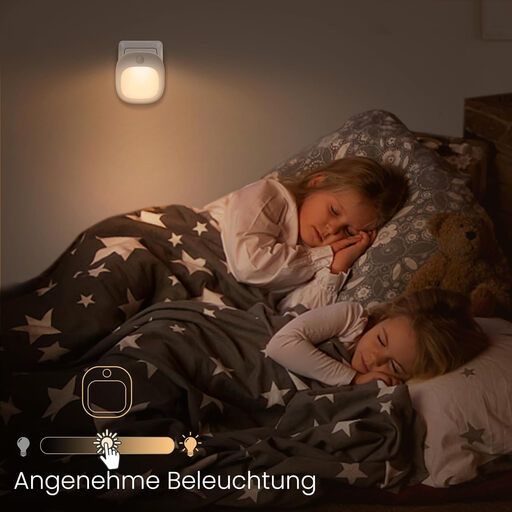
Why This Fits Their Persona: This compact night light provides a safe, soft glow for late-night trips to the bathroom or for children who are afraid of the dark. The dimming function prevents waking up the rest of the family.
The built-in light sensor (≤20 LUX) ensures the light only responds in the dark, preventing unnecessary battery drain. The 500mAh rechargeable battery is more than sufficient for nighttime use.
USB rechargeable, 3 color temperatures, and 5 dimming levels. The two-pack is ideal for a child's room and the hallway.
Why This Fits Their Persona: This longer strip is perfect as under-cabinet kitchen lighting. It provides bright, direct light on the countertop, right where you need it for chopping vegetables or reading a recipe.
The PIR sensor with a 3-5 meter range is ideal for a kitchen environment. The option for bright, cool white light (up to 7000K) ensures optimal visibility without shadows, a common issue with weaker lights.
Extra length (40 cm) and 61 LEDs for a wide, bright beam of light. The 1100mAh battery ensures a long runtime.
We have compiled a complete, up-to-date list of products that fully meet these strict selection criteria and local safety standards.
The runtime depends heavily on the battery capacity (mAh) and how often the light is activated. A model with a 1000-1100 mAh battery can last for several weeks or even months on a single charge with average use (about 10 activations per day). Lights in 'always-on' mode or with a highly sensitive sensor will drain faster.
Yes, many modern models offer the ability to adjust the color temperature. You can often choose between warm white (for ambiance), neutral white, and cool white (for task lighting). This makes the light more versatile, allowing you to use it for various purposes, from an LED strip for a closet to a night light.
Absolutely. Most wireless lighting is designed for maximum convenience. They come with a strong double-sided adhesive strip or a magnetic mount that you can attach to any metal surface. For installation, you just need to ensure the surface is clean and grease-free, remove the protective film, and press the light into place.
