
If you want to serve small brunch bites
You’re looking for a thin base that lets the toppings take centre stage. Wasa describes its Delicate Crisp Sesame & Sea Salt as extra thin, but check that wheat and sesame are suitable for your guests.


For a Mother’s Day brunch, choose thin crispbread if you’re serving small, open sandwiches; wholegrain rye is a better fit if you want a rustic base for breakfast or lunch. If a guest needs to eat gluten-free, start with a product explicitly labelled gluten-free, then check the ingredients and allergen information for both the crispbread and the toppings.
You’re looking for a thin base that lets the toppings take centre stage. Wasa describes its Delicate Crisp Sesame & Sea Salt as extra thin, but check that wheat and sesame are suitable for your guests.
You want crispbread for a breakfast or lunch dish where the toppings provide the flavour. Albert Heijn lists Leksands Knäcke original as containing 97% wholegrain rye flour; rye contains gluten.
You’re choosing something for a guest who needs a product explicitly labelled gluten-free or lactose-free. Even then, check the current label for other allergens and warnings that may matter to your guest.
First, check which ingredients and allergens matter to your guests. Then decide whether you want crispbread that’s a thin base for toppings or a rustic breakfast option.
| What to consider | What to check before buying | Who it matters to |
|---|---|---|
| Appearance and flavour | Check the thickness and size for your toppings; look out for flavourings such as sesame, and compare the salt content per 100 g for salted varieties. | When I’m serving small bites, I want the toppings to be visible and the cracker’s flavour to complement them. Around 40% of consumers prioritise appearance and flavour. |
| Wholegrain base | Check which grains are listed in the ingredients and compare the nutrition information per 100 g if fibre is a factor in your choice. | For breakfast with toppings, I’d rather choose a familiar rye base than a strongly flavoured cracker. Around 30% of consumers prioritise a wholegrain base. |
| Dietary requirements and allergens | Check the required label, ingredients and any cross-contamination warnings on the current packaging. | When a guest needs to avoid certain ingredients, I want to know exactly what’s in both the cracker and the toppings. Around 30% of consumers make this their first priority. |
A gluten-free label doesn’t tell you anything about other allergens. According to Wasa, Wasa Gluten- & Lactose Vrij Sesame & Sea Salt contains sesame; the brand also warns that it may contain traces of milk.
Check the ingredients and allergen information on the current packaging for each guest, even if the label on the front looks suitable.
Voedingscentrum explains how iodised baker’s salt in bread contributes to iodine intake in the Netherlands. This doesn’t tell you which salt is used in a particular crispbread product.
If the type of salt matters to your buying decision, check the product information or ask the manufacturer.
If a guest has an allergy or dietary restriction, the ingredients on the packaging of the product you serve are what matter.
Read the label again before putting the crackers and toppings on the table.
Wasa’s product information includes both thin crispbread varieties and a separate variety labelled gluten-free and lactose-free.
Leksands Knäcke original is a rye option for anyone looking to serve a rustic base at brunch.
Albert Heijn’s crispbread range includes own-brand and other brands, making it easy to compare them side by side.
Bolletje is another brand to compare with the Scandinavian crispbread varieties.
These products offer different bases for brunch toppings: a thin sesame cracker, rye and wholegrain varieties, and a light, crisp option. If a guest has dietary requirements, only choose a product after checking the information on its packaging.
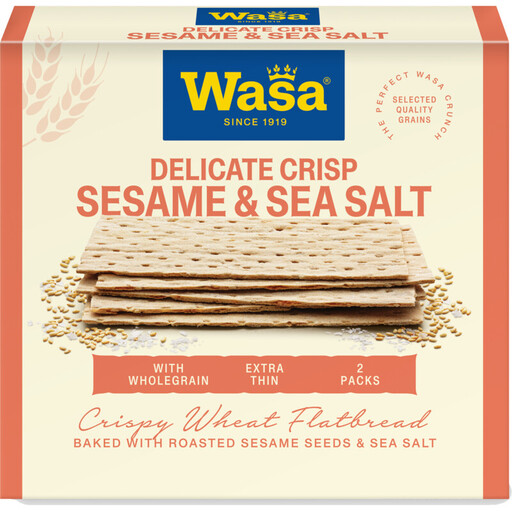 No image available
A thin sesame cracker for small bites with visible toppings. The Joybuy product description lists wholegrain wheat flour, sesame and sea salt; check the packaging if ingredients or allergens matter to your guests.
 No image available
A rye variety to consider if you’re looking for a rustic base for brunch toppings. Check the ingredients and allergens on the packaging before serving it to guests with dietary requirements.
 No image available
A wholegrain variety for anyone who’d rather choose their own toppings than opt for a cracker with a strong flavouring. Check the packaging to see which grains and allergens this variety contains.
 No image available
A wholemeal option in a 375 g pack if you want to serve crispbread with several different toppings. Read the ingredients and allergen information on the packaging before choosing this variety for your guests.
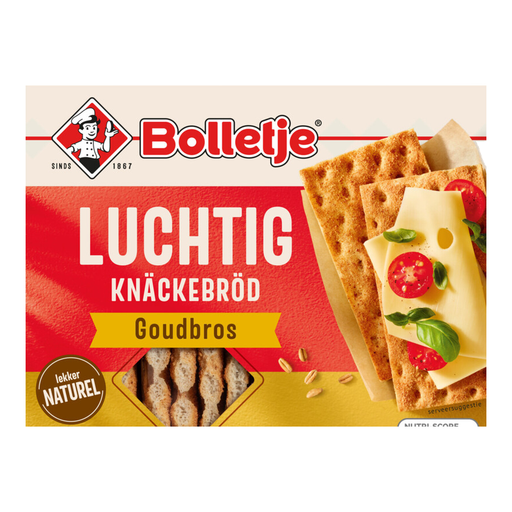 No image available
An alternative if you want a light, crisp base for brunch toppings. Don’t assume that ‘Light’ in the name makes a nutritional claim; compare the nutrition information and check the allergens on the packaging.
Not necessarily: a gluten-free label doesn’t cover other allergens. For example, Wasa lists sesame and possible traces of milk for Gluten- & Lactose Vrij Sesame & Sea Salt. Check the current packaging for anything that matters to the guest in question.
First decide how you want to serve the bites: thin crispbread works well for small, open sandwiches, while rustic rye offers a different base for breakfast or lunch. Then check that the ingredients in both the cracker and the toppings are suitable for your guests.
Don’t assume this is the case for an individual product. Voedingscentrum describes iodised baker’s salt as a source of iodine in Dutch bread; check the product information or ask the manufacturer which salt is used in the crispbread you’re planning to buy.