
Vandaag of morgen in huis

Kwaliteit gegarandeerd

Welkomstaanbiedingen ontgrendelen: GRATIS bezorging | Tot 80% korting | Gratis 30 dagen JoyPlus-proefperiode
Download de app
Buying a new mop or set of mop pads seems straightforward. But many people end up disappointed because they choose the wrong size, an unsuitable pad or a product that isn’t designed for their floor. This is particularly important in homes with tiles, laminate, vinyl, marble or treated wood flooring.
If you’re looking for a mop and mop pads, don’t just focus on the price or claims such as “extra absorbent”. Check the fit, the material and how you plan to clean your floor. That way, you can avoid buying a mop refill that doesn’t fit, a pad that comes loose quickly or one that leaves too much moisture on the floor.
“Universal” doesn’t mean that every mop pad fits every flat mop. Check the length, width and fastening method. For example, a 40 cm pad won’t automatically fit a 32 cm mop. Hook-and-loop fasteners, press studs, pockets or a specific holder can also affect how securely the pad stays in place.
Compatibility is even more important with robot vacuum cleaners and specific mopping systems. Check the exact model number before buying replacement mop pads.
A mop and bucket with water control is handy, but not every floor can tolerate the same amount of moisture. Tiles and many types of vinyl can generally be cleaned with water. For laminate, treated wood and marble, it’s best to follow the flooring manufacturer’s instructions and avoid leaving the floor wet for long periods.
A pad that absorbs plenty of water is useful for spills and intensive floor cleaning. For delicate or water-sensitive surfaces, a slightly damp microfibre mop is often a better choice.
Washable mop pads reduce your use of disposable wipes, but they need to be rinsed thoroughly after each use and left to dry completely. As a rule, don’t use fabric softener with microfibre, as it can reduce the effectiveness of the fibres. Also check the product information to see whether the pad is machine washable.
Disposable floor wipes are easier to use, but the cost per clean can add up. So compare the pack contents, size and expected frequency of use.
Measure your existing mop head before ordering a mop refill. Make a note of:
A flat mop with a large surface area can be efficient in spacious rooms. A smaller mop head is often easier to manoeuvre around the toilet, kitchen furniture and narrow spaces.
Microfibre is made from fine fibres that can pick up dust, hair and moisture. This makes a microfibre mop suitable for everyday use on many hard floors, provided the floor itself is suitable. According to the product information, a PVA sponge absorbs a lot of water and is often used with mop heads that need to be kept wet.
Don’t rely on terms such as “super-absorbent” alone. Check whether the material is washable, how the pad attaches to the holder and which cleaning products are recommended.
A standalone flat mop is compact and quick to get ready. A mop and bucket with separate compartments for clean and dirty water may appeal to larger households or anyone who’d rather not wring out a mop by hand. For this type of system, check the size of the mop head, the bucket capacity and how much storage space you have.
For a robot vacuum cleaner, pads compatible with the specific model are usually more important than a universal fit. The wrong pad could come loose, fail to make proper contact with the floor or not fit the holder.
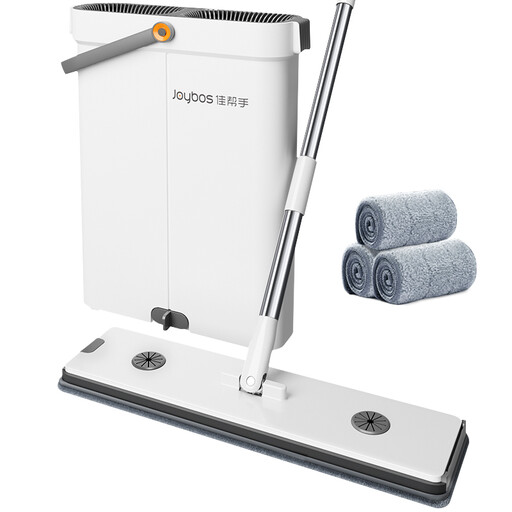
Why it suits this type of user: These four replacement pads are designed for a 40 cm self-wringing flat mop system. They’re a practical choice if you already have a compatible mop and want several pads to rotate.
The size and system compatibility are clearly stated. Before buying, check that your mop is also 40 cm and uses the same fastening method.
Four microfibre pads in one pack; suitable as a replacement set for the specified 40cm self-wringing system.
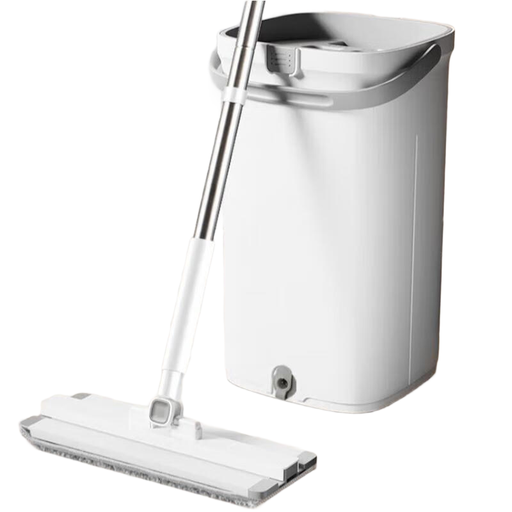
Why it suits this type of user: This system combines a 32 cm flat mop with a bucket that separates washing and wringing. It’s a good fit for households that regularly clean larger areas.
The product information lists separate compartments for washing and drying. This means you don’t have to spread the same bucket water across the floor each time.
32cm mop head, microfibre pad, aluminium panel and a system that separates clean and dirty water.
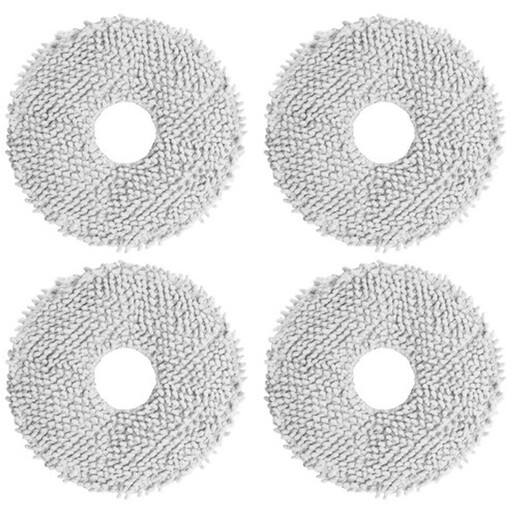
Why it suits this type of user: These washable pads are designed for several listed Dreame models, including the L10s Ultra, L10 Ultra, L10 Prime and L20 Ultra. That’s useful if you use a robot vacuum cleaner frequently.
The compatible models are listed. Check your exact Dreame model against the list before ordering.
Four pads per pack; according to the product information, they’re washable and designed for the listed Dreame mopping systems.
We’ve put together a complete, up-to-date list of products that meet these strict selection criteria and current European safety regulations.
Washable mop pads are usually a good choice if you clean often. Keep at least two or three pads to hand so you can swap them while a used pad dries. Remove sand and hair from the floor first; sharp particles can damage both the pad and delicate flooring.
For a quick clean, disposable wet wipes can be handy. Check your flooring instructions before using them. For example, the Swiffer Wet Floor Wipes product information states that the wipes are suitable for tiles, linoleum and treated wood, among other surfaces, but not for untreated, oiled or waxed wood, untreated natural stone or carpet.
It depends on how often you use it, the material and how well you maintain it. Replace a pad when the fibres are worn, the fastening no longer works properly, persistent odours develop or it absorbs less moisture. A washable pad can last for many cleaning sessions, but there’s no set lifespan that applies to every material.
Not without checking first. Follow the instructions from the flooring and pad manufacturers. Tiles, vinyl and some treated wooden floors have different requirements from untreated wood, natural stone or laminate. Also, use as little moisture as the floor allows and dry up any standing water straight away.
That depends on the purchase price, how many times you wash them and how often you clean. Washable pads need more care, but can be used repeatedly. Disposable wipes save time for small cleaning jobs, while a larger pack can reduce the cost per wipe. So compare the cost per use, rather than just the price of one pack.
