
Vandaag of morgen in huis

Kwaliteit gegarandeerd

Welkomstaanbiedingen ontgrendelen: GRATIS bezorging | Tot 80% korting | Gratis 30 dagen JoyPlus-proefperiode
Download de app
Mop cloths may seem straightforward, but the wrong size, material or attachment system can make cleaning unnecessarily difficult. A cloth that doesn't stay properly on the mop, holds too much moisture or loses its shape after a few washes is hardly worth having.
For British households, there are three main pitfalls to watch out for:
Measure your mop head before ordering replacement mop cloths or mop pads. Many flat mops use a cloth measuring roughly 22 x 28 cm, but larger systems can be 45 to 50 cm long. Also check whether the cloth is secured with clips, fastened with Velcro or designed to fit a specific frame.
A cloth that is even a few centimetres off can come loose during mopping or fail to make proper contact with the floor. With a system-specific mop, such as a robot mop or bucket mop, the model name is at least as important as the dimensions.
Microfibre is ideal for picking up fine dust and dirt. Some microfibre cloths are washable and therefore intended for repeated use. Check the recommended washing temperature and do not use fabric softener if the product instructions advise against it; this can affect the properties of the fibres.
A sponge-like or thicker cloth can absorb more water and oil. This is practical in the kitchen, but don't leave a wet mop sitting on wood, laminate or PVC for long periods. Always follow the floor manufacturer's care instructions.
Static dust cloths and dry-use floor cloths are handy for hair, dust and fluff. They are not automatically suitable for wet cleaning. A disposable version saves time on small cleaning jobs, but creates more waste than a reusable mop cloth.
Product information often lists multiple surfaces, such as tiles, PVC, laminate, wood or parquet. That doesn't mean every cleaning method is suitable for every floor. On treated wood and parquet, use as little moisture as possible and avoid harsh cleaning products unless the floor manufacturer recommends them.
With a microfibre mop cloth, the texture also matters. A soft cloth is more logical for smooth floors. For rough or heavily soiled surfaces, a thicker texture can loosen more dirt, but first check that the cloth won't cause scratches.
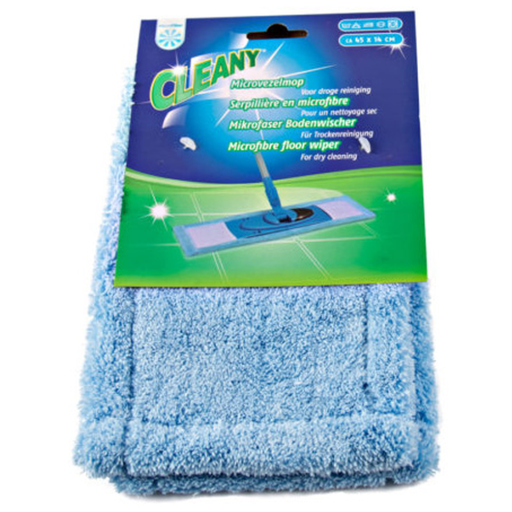
Why this suits the profile: A simple replacement microfibre mop cloth for anyone who wants to keep using their existing mop without buying a whole new system.
The dimensions of 45 x 14 cm are clearly stated, so you can compare them with your mop head. The cloth is washable at 60 °C according to the product information.
Microfibre; suitable for dry use and, according to the specification, can be used on wood, laminate, PVC and tiles, among others.
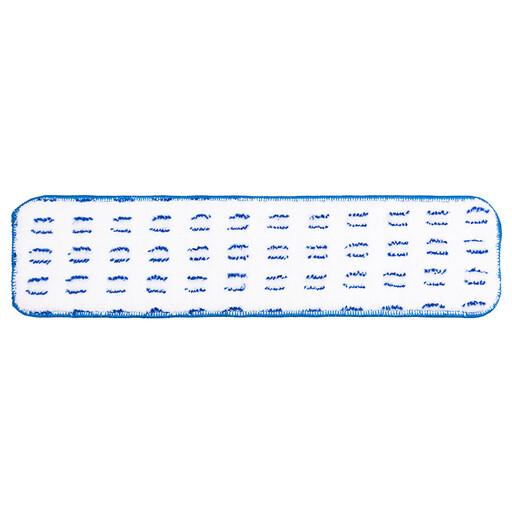
Why this suits the profile: For households that use a fixed flat mop and want a washable pad with known specifications.
The pad has a stated size of 49 x 12 cm and is designed for a compatible flat mop frame. This means you can check compatibility in advance.
Blue split-type microfibre, 59 g and washable at 40–60 °C according to the product information; the manufacturer states 300+ wash cycles.
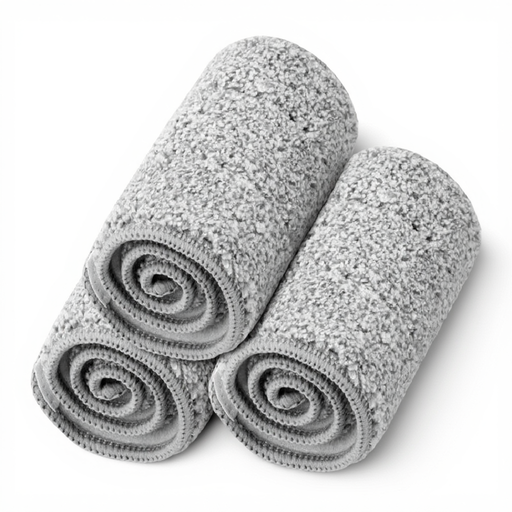
Why this suits the profile: Aimed at users of the J.ZAO/Ochama S16 bucket mop who want several wet mop pads on hand.
Compatibility is limited to the S16 model. This prevents confusion, as long as you check your own bucket mop model beforehand.
Three pads measuring 11 x 32 cm; microfibre material and suitable for wet floor cleaning according to the product description.
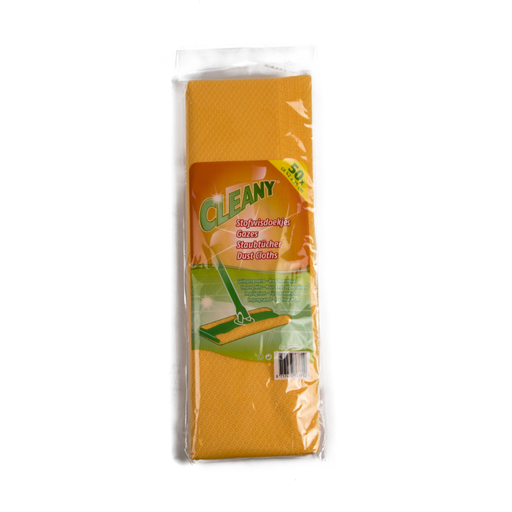
Why this suits the profile: A practical stock for quick dry cleaning sessions in households where hair and dust are a regular occurrence.
With 50 disposable cloths measuring 42 x 25 cm, the pack is designed for stocking up and easy replacement. Just check whether this size fits your mop.
According to the product description, they are impregnated and intended for dry use on laminate, parquet, tiles and PVC, among others.
We've put together a full, up-to-date list of products that fully meet these strict selection criteria and comply with current European safety regulations.
Lay the cloth flat under the mop head and secure the corners in the clips or press the Velcro firmly into place. With a system that has a specific frame, follow the product instructions. Check before use that the cloth cannot shift.
That depends on the floor, the dirt, how often you wash it and your maintenance method. Check the recommended washing temperature and replace the cloth when it frays, loses its shape or absorbs moisture and dirt less effectively. The number of wash cycles stated by the manufacturer is product information and not a guarantee for every usage situation.
Some static floor cloths come in a standard size and can fit various flat mops. Still, always check the size and how the cloth is secured. Not all mop cloths for Swiffer are suitable for wet cleaning, so check the usage advice on the packaging.
