
Vandaag of morgen in huis

Kwaliteit gegarandeerd

Welkomstaanbiedingen ontgrendelen: GRATIS bezorging | Tot 80% korting | Gratis 30 dagen JoyPlus-proefperiode
Download de app
Buying a mop seems simple until you have to choose between a microfibre mop, spray mop, mop with bucket or electric mop. Marketing copy often promises quick, streak-free cleaning, but important details are sometimes less clearly explained. Think about the amount of moisture, mop maintenance and whether it is suitable for your type of flooring.
A wet mop is not automatically suitable for laminate, parquet or wood. Excess moisture can seep into joints or remain on the surface for longer. A spray mop that lets you control the amount of liquid can be more practical as a mop for laminate or a mop for wooden floors. Always check the flooring manufacturer's care instructions.
In homes with pets and young children, hair, crumbs and sand can quickly stick to the floor. A thin cloth without a good fibre structure may move dirt around instead of absorbing it. A reusable microfibre pad with sufficient surface area is then a sensible choice. Also check whether the cloth is machine washable and whether fabric softener must not be used.
An electric mop or wet-and-dry floor cleaner may save time while cleaning, but it often has a clean-water tank, dirty-water tank, roller brush and charging station. These parts need to be emptied and cleaned after use. A manual mop set is simpler, but requires more wringing and manual rinsing.
Microfibre consists of fine fibres that can absorb dust, moisture and dirt. When choosing a microfibre mop, check:
A hook-and-loop fastening prevents the cloth from coming loose while mopping. With a flat mop, a swivel head is also useful for reaching underneath cupboards and sofas.
A wetter mop is usually practical for tiles, while laminate, PVC, vinyl and sealed wood benefit from controlled moisture. So look for:
A product description may state that a mop is suitable for tiles or wooden floors. That does not mean every floor surface should be treated in exactly the same way. Use as little water as possible on wood and laminate, and do not leave the floor wet for long.
A wide mop head cleans larger rooms more quickly, but can be harder to manoeuvre between chair legs. A handle of around 120 to 130 cm is practical for many adults, while an adjustable handle offers greater flexibility.
With a cordless electric mop, battery life, charging time and tank capacity are key factors. The Hoover HW300, for example, states a runtime of 40 minutes, a charging time of 4 hours and tanks with a capacity of 0.55 litres. These are verifiable details that can help you assess whether the appliance is suitable for a flat or a larger household.
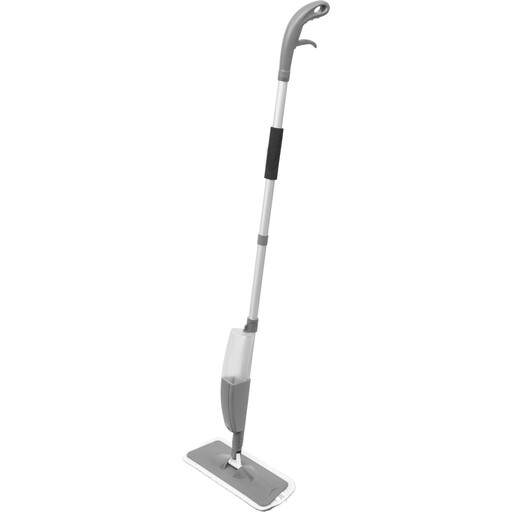
Why it suits this profile: The integrated spray function eliminates the need for a separate bucket. That makes it a good choice for smaller homes and light daily cleaning.
You control the moisture through the 300 ml reservoir instead of using a completely wet mop.
Swivel head, ergonomic design and, according to the product description, suitable for laminate, lino, PVC and tiles.
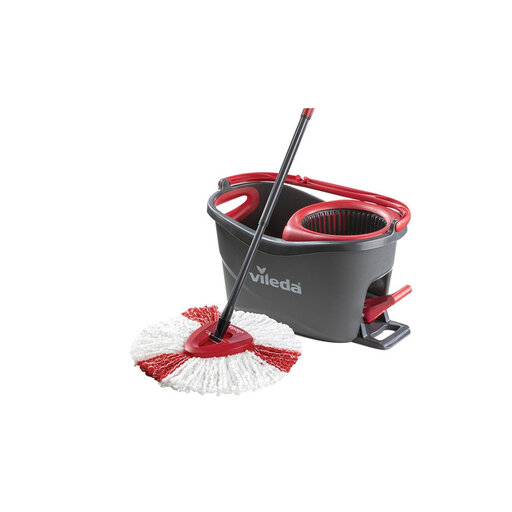
Why it suits this profile: This mop set combines a telescopic handle, pedal-operated wringer and centrifugal wringing system for households that regularly clean larger areas.
The wringer helps control the microfibre mop's moisture level, so you do not have to work with a dripping mop.
Pedal operation, 360° swivel mop head and washable microfibre head; according to Vileda's own information, suitable for hard floors.
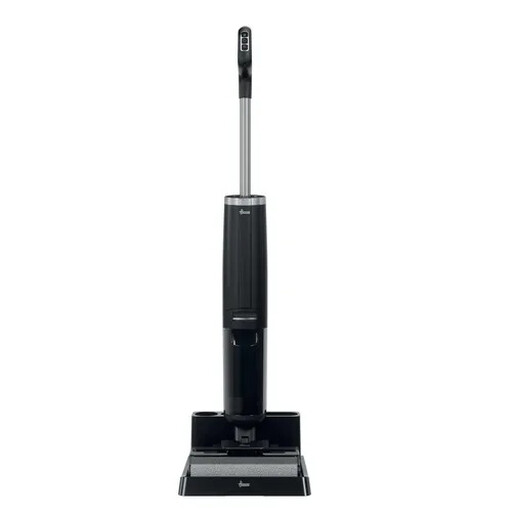
Why it suits this profile: If you want to tackle spillages, crumbs and hair in a single pass, this appliance combines vacuuming and mopping.
The two tanks keep clean and dirty water separate, while the AutoClean function helps with maintenance after use.
40-minute runtime, two cleaning modes, turbo mode and two-sided edge cleaning according to the product specifications.
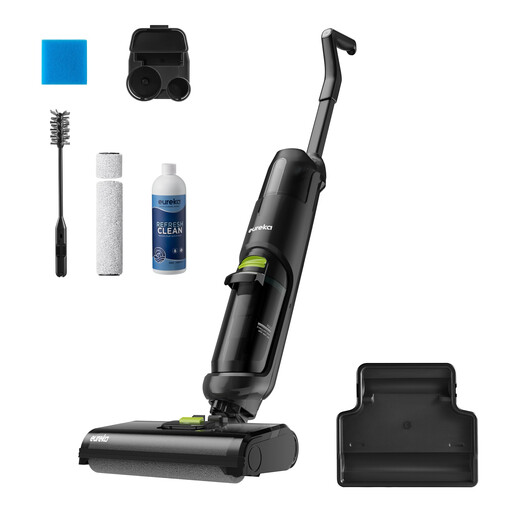
Why it suits this profile: The combination of vacuuming and washing is designed for sealed hard floors where hair, dry dirt and sticky residues occur together.
The separate water flow and self-cleaning function help prevent dirty water from being spread repeatedly during cleaning.
Self-propulsion, flexible brush head, separate clean- and dirty-water tanks and up to 30 minutes of battery use according to the product information.
We have put together a complete, up-to-date list of products that fully meet these strict selection criteria and the applicable European safety regulations.
Choose a mop that leaves behind very little moisture, such as a spray mop or a microfibre mop that can be wrung out thoroughly. Check the laminate manufacturer's instructions. Avoid puddles and dry the floor after mopping if necessary.
Wash the pad after intensive use or when it is visibly dirty. Follow the care label; some microfibre pads can be washed at 60°C. Do not use fabric softener when the product information advises against it, as this can reduce the pad's absorbency.
That depends on how you use it. An electric mop uses electricity and may require specialist cleaning solution or replacement rollers. A standard mop set generally only needs water and new pads from time to time. So do not compare just the purchase price; also consider the battery, filters, rollers and maintenance.
