
Vandaag of morgen in huis

Kwaliteit gegarandeerd

Welkomstaanbiedingen ontgrendelen: GRATIS bezorging | Tot 80% korting | Gratis 30 dagen JoyPlus-proefperiode
Download de app
Buying a mop sounds simple, until you have to choose between a spray mop, microfibre mop, electric mop, steam mop, floor cleaner or robot vacuum with a mopping function. The wrong model can prove awkward to use, leave behind too much water or simply fail to clean effectively.
So don’t focus solely on a low price or eye-catching marketing label. Pay particular attention to the flooring in your home, the amount of dirt and how much manual work you are prepared to do.
Laminate, parquet and some wooden floors do not cope well with moisture that is left standing for too long. A mop that does not wring out water effectively makes cleaning more cumbersome and can leave streaks or damp patches behind. Check how moisture is controlled: with a wringer, spray function, separate water tanks or an absorption setting.
‘Suitable for all floors’ does not mean that every appliance works equally well in every situation. A steam mop, for example, is designed for suitable, sealed hard floors. Extra care is needed with untreated wood, delicate grouting or flooring that cannot withstand heat. Always check your floor’s care instructions as well as those for the product.
A reusable cloth needs to be washed and allowed to dry completely. With an electric floor cleaner, the dirty-water tank, brushes and filters need to be cleaned. A robot vacuum with a mopping function can save you a great deal of work, but it still requires maintenance for its pads, tanks, brushes and dust bag.
Choose the system that suits your cleaning routine:
Microfibre can pick up dust, dirt and hair without requiring much cleaning product. The product information should clearly state whether the pad is washable at 60 °C and whether the use of fabric softener is discouraged. According to the product descriptions of various microfibre pads, fabric softener can affect the performance of the fibres.
A hook-and-loop fastening prevents the cloth from coming loose while mopping. A swivel head helps you clean along skirting boards, around table legs and into corners. For a mop for laminate and tiles, a low water output is also important.
With a manual mop, the length of the handle, the width of the head and the weight all affect ease of use. With electric models, these points are particularly relevant:
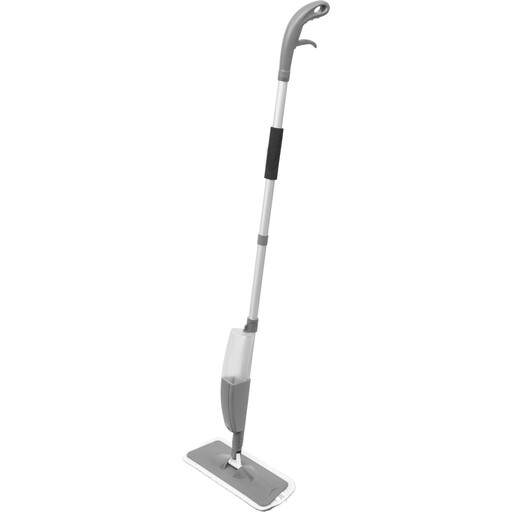
Why it suits this profile: The spray function makes it easy to carry out quick maintenance without a separate bucket. This is ideal for smaller homes and everyday cleaning routines.
The integrated 300 ml tank means you do not have to keep working with a separate bucket. The swivel head helps you reach awkward areas.
Suitable for laminate, linoleum, PVC and tiles; lightweight at 530 grams according to the product specifications.

Why it suits this profile: This model is designed for households that want to vacuum and mop automatically every day, with as few manual steps as possible.
The base station washes the mop with warm water, dries it automatically and has a 2.5-litre dust bag. The robot supports 2.4GHz Wi-Fi only.
18,000 Pa suction power according to the product specifications, obstacle detection with dual cameras and a mop that can be lifted by up to 12 mm.
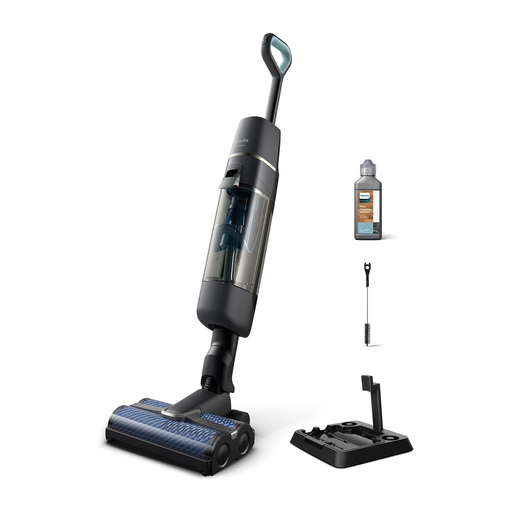
Why it suits this profile: A busy family or household with pets can benefit from an appliance that picks up dirt and wet-cleans in a single pass.
The dirty-water collection and water absorption setting help prevent unnecessary moisture from being left behind. However, both tanks must be emptied and rinsed after use.
Cordless vacuum and mop in one, three cleaning modes, two rotating brushes and automatic brush cleaning.
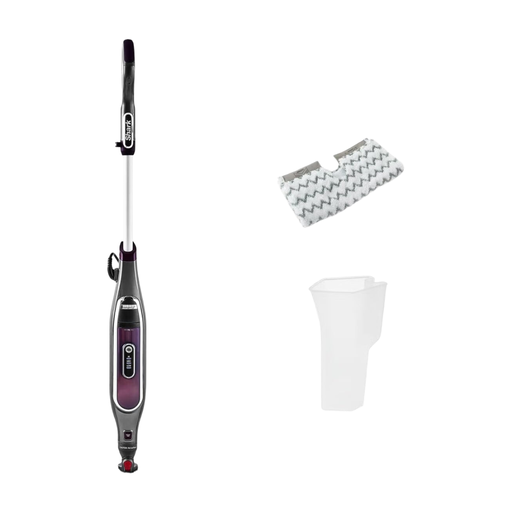
Why it suits this profile: This model is ideal for users who want an electric steam mop for suitable, sealed hard floors and stubborn dirt.
The steam setting is adjustable and the Dirt Grip pads are washable. Use water only and do not use it on unsealed floors; the head and steam become extremely hot.
1200 watts of power, a 6-metre cable, two washable pads and a steam function for suitable hard floors.
We have put together a complete, up-to-date list of products that fully meet these strict selection criteria and the applicable European safety regulations.
For laminate, a microfibre mop or spray mop with limited water output is often a practical choice. For tiles, you can also use a mop with a bucket or an electric floor cleaner. Always check the floor’s care instructions and wring out the pad thoroughly enough.
Its lifespan depends on how it is used, washed and dried. Wash the pad according to the label, do not use fabric softener if the manufacturer advises against it, and replace the cloth when the fibres become worn or it no longer picks up dirt effectively. For systems with replaceable pads, it is useful to keep a spare pad to hand.
In addition to the purchase price, you will use electricity and water, and sometimes cleaning fluid or replacement parts. A corded model does not need charging, while a cordless floor cleaner needs to be charged after use. With a robot, you will also need to account for dust bags, pads and maintenance of the base station. So don’t compare only the purchase price; consider the maintenance frequency and availability of replacement parts too.
