
Vandaag of morgen in huis

Kwaliteit gegarandeerd

Welkomstaanbiedingen ontgrendelen: GRATIS bezorging | Tot 80% korting | Gratis 30 dagen JoyPlus-proefperiode
Download de app
Buying a mop seems simple, until you have to choose between a microfibre mop, flat mop, spray mop, mop and bucket or electric floor cleaner. The wrong choice can lead to streaks, an overly wet floor or a mop that simply moves hair and dirt around.
For UK households, three pitfalls are particularly important:
The right mop therefore depends on your floor, the amount of dirt and how much manual effort you are prepared to put in.
For a mop for laminate and tiles, controlling the amount of water is important. A spray mop applies a limited amount of liquid directly to the floor. This is practical for quick cleaning jobs and means you do not need to fill a bucket.
A mop and bucket gives you more control when cleaning larger areas. A spin or pedal system can help you wring out the mop without using your hands. With a flat mop featuring separate washing and drying zones, clean water also remains separate from dirty water.
When choosing an electric mop, consider:
A long battery life is not automatically necessary for every household. For a flat, 30 to 40 minutes may be enough, while families with pets may benefit more from larger tanks or a longer runtime.
A microfibre mop is suitable for picking up dust, hair and liquid on many smooth surfaces. Do not just look for the word microfibre; also consider:
According to product information, fabric softener can reduce the performance and lifespan of microfibres. Allow a washed cloth to dry completely before storing it. For everyday use, having several interchangeable pads is useful, so you do not have to continue cleaning with a damp cloth.
A mop for hard floors should be suitable for the type of flooring. Tiles can generally tolerate more moisture than untreated wood or some types of parquet. Always follow the floor manufacturer’s care instructions and test a new cleaning product on an inconspicuous area first.
A rotating mop head can help with skirting boards, corners and the space beneath furniture. A flat mop head is often convenient for low-clearance areas, while a telescopic handle allows you to adjust the working height.
Hair is an additional consideration for households with pets. An electric floor cleaner with an anti-tangle function can reduce maintenance, but check whether the brush, filter and dirty-water tank need to be cleaned after every use. A self-cleaning function makes the process easier, but does not always eliminate the need to empty and dry the tanks.
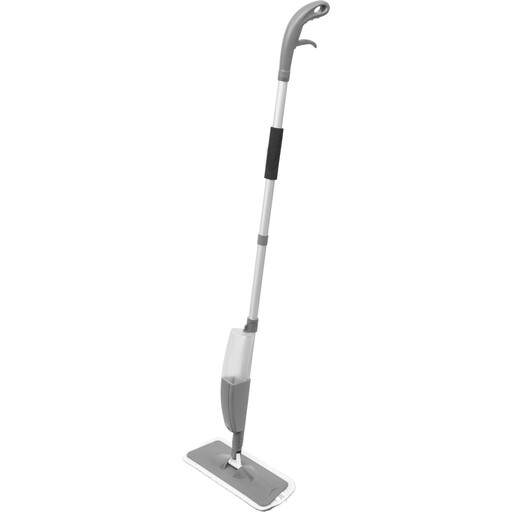
Why it suits this profile: The built-in 300 ml tank means there is no need for a separate bucket. This is practical for quick cleaning jobs in a flat or smaller home.
The spray function dispenses moisture locally, so you do not have to carry a heavy, wet bucket around the home.
120 cm handle, rotating head and, according to the product description, suitable for laminate, linoleum, PVC and tiles.
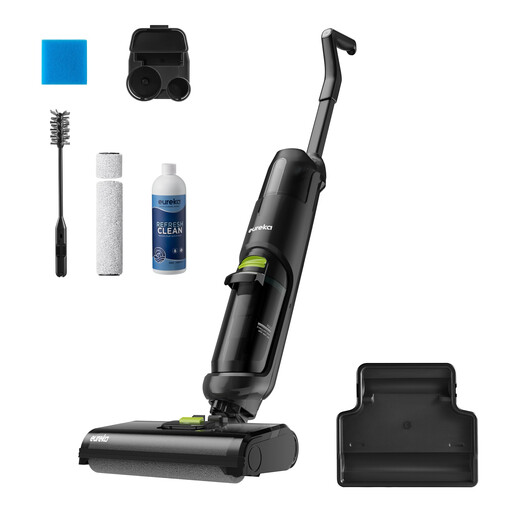
Why it suits this profile: If you want to vacuum and mop in a single step, this electric floor cleaner is designed for sealed hard floors.
According to the product description, the two tanks keep clean and dirty water separate. The self-cleaning function rinses the roller after use, but the tanks still need to be emptied and dried.
Cordless operation, suitable for wood, tiles, laminate, vinyl and marble, among other surfaces, plus a stated limited 2-year warranty on the vacuum cleaner.
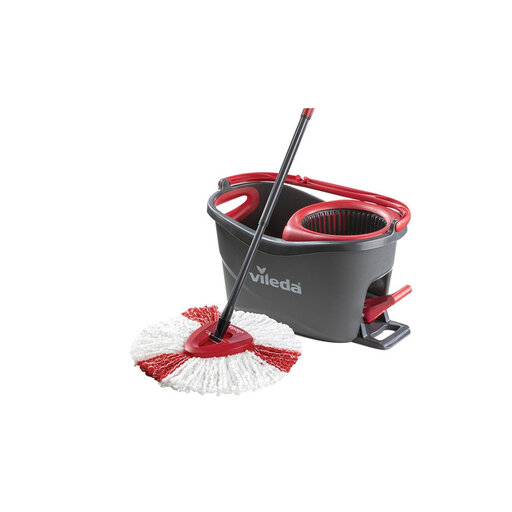
Why it suits this profile: The combination of microfibre, a pedal-operated spin wringer and a telescopic handle is well suited to households that regularly clean larger hard-floor areas.
The pedal-operated wringer helps you adjust the moisture level without wringing out the cloth by hand. According to the product information, the mop head is washable.
360° rotating triangular mop head, handle with adjustable reach and a bucket with water-level indicator and pouring spout.
We have put together a complete, up-to-date list of products that fully meet these strict selection criteria and the applicable European safety regulations.
A manual flat mop or microfibre mop has few components and no battery. This makes it a good choice for everyday maintenance, quick spills and households that want to control the amount of water themselves. A mop and bucket is useful for larger areas, but requires more storage space.
An electric mop or wet-and-dry cleaner often combines vacuuming and mopping. This can save time when dealing with crumbs, hair and liquid spills. However, it also involves additional maintenance, charging and replacing filters or rollers. Check whether the appliance is only suitable for sealed hard floors.
A robot vacuum with a mopping function is mainly intended for automated daily maintenance. According to the product information, the Rowenta RR6871WH X-Plorer 20 Aqua offers up to 150 minutes of autonomy, three cleaning modes, automatic return to the charging station and combined vacuuming and mopping. Do not use the mopping function on carpets or rugs if the manufacturer advises against it.
Choose a model that uses little moisture and allows you to wring out the cloth thoroughly. A spray mop or flat mop with controlled moisture is an obvious choice. Do not leave puddles behind and follow the laminate manufacturer’s care instructions.
This depends on the material, how often it is used and how well it is maintained. Washable microfibre pads can last through multiple cleaning sessions. Replace the cloth when it absorbs less effectively, develops a persistent smell, frays or spreads dirt around. With electric models, rollers, filters and brushes should be cleaned or replaced according to the product manual.
Not always. You may save time, but you also need to account for electricity, cleaning solution, filters, rollers and battery maintenance. A manual mop generally has fewer components and lower maintenance costs. So do not compare only the purchase price; consider the accessories required and the long-term maintenance too.
