
Vandaag of morgen in huis

Kwaliteit gegarandeerd

Welkomstaanbiedingen ontgrendelen: GRATIS bezorging | Tot 80% korting | Gratis 30 dagen JoyPlus-proefperiode
Download de app
A mop might seem simple, but the wrong choice can leave streaks, a floor that is too wet, or create unnecessary upkeep. This is especially important for wooden floors and laminate, where the amount of water matters. What’s more, marketing claims about suction power, bacteria removal or “fully automatic” operation don’t always tell you how practical a device will be in your home.
The most common pitfalls when buying a mop are:
For a mop for wooden floors or laminate, a slightly damp cloth is usually more practical than a soaking wet mop. So check whether you can control the dampness. A spray mop with a reservoir delivers water in a targeted way, while a mop with a bucket offers more flexibility for larger areas.
According to the product description, the UWANT D100 has three water levels: a low setting for wooden floors, a medium setting for tiles and a higher setting for stubborn dirt. That kind of adjustability is useful when you have different floor coverings in your home.
A microfibre mop picks up dirt and moisture thanks to its fine fibre structure. Look out for:
The Micro Fiber Mop measuring 50 × 60 cm comes in packs of three. According to the product description, the cloth is washable at 60 °C; do not use fabric softener. The cloth has a Velcro fastening, which means it is less likely to come loose during use. Always check the manufacturer’s care instructions for any mop.
A wide floor mop works quickly in a large living room, but can be awkward to manoeuvre around chair legs. A swivelling mop head reaches corners better. For an electric mop, you also need to consider the weight, run time and the capacity of the clean and dirty water tanks.
For a robot vacuum with a mopping function, check in particular:
A robot is mainly suitable for regular maintenance. A manual mop remains useful for stains, stairs, edges and places the robot can’t reach.
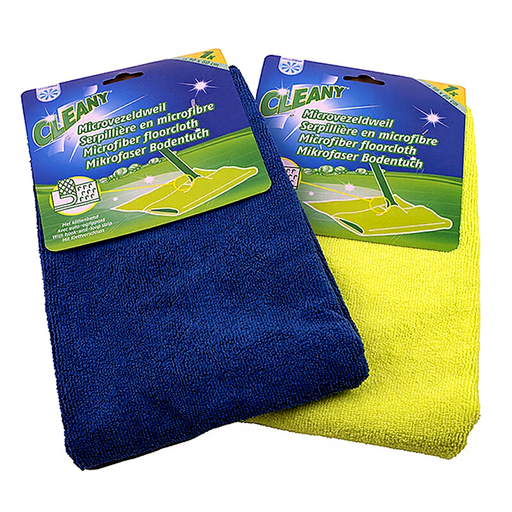
Why this fits the profile: A simple manual solution for households looking for a reusable mop cloth without a battery, charging station or complicated operation.
The Velcro fastening reduces the risk of the cloth coming loose while mopping. The dampness depends on how you wring out the cloth.
Size of 50 × 60 cm, microfibre material and three packs of one cloth each. According to the product description, washing at 60 °C is possible.
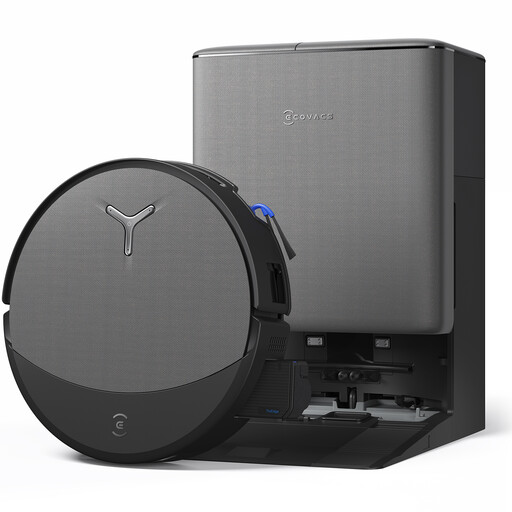
Why this fits the profile: Aimed at households that want to automate vacuuming and mopping as much as possible and have space for an extensive base station.
The product name mentions navigation, an anti-tangle function, four-wheel drive and a self-washing mop roller. Check before purchase whether these features suit your floor layout and willingness to maintain it.
According to the product listing, up to 30,000 Pa suction power and an OMNI station. This is a device for automation, not for occasional stains on stairs or worktops.

Why this fits the profile: Suitable for families and pet owners who want to tackle dust, hairs and wet dirt in one go on hard floors.
The three water levels help limit overly wet cleaning. The device has separate reservoirs for clean and dirty water; both need to be maintained after use.
According to the specifications, 17,000 Pa suction power, up to 35 minutes of run time, a 180° lying flat position and a self-cleaning charging station.
We have put together a full, up-to-date list of products that fully meet these strict selection criteria and comply with current European safety regulations.
Yes, a spray mop can be suitable if you use little liquid and the floor does not stay wet for a long time. Always check the maintenance instructions from the laminate manufacturer. A model with a 300 ml reservoir, such as the 5Five Spray Mop, delivers water directly at the mop and does not need a bucket.
That depends on the material, how often you wash it and the level of soiling. Washable microfibre cloths can be used several times if they are rinsed and dried properly. Replace a cloth when it becomes thin, develops a lasting odour, no longer absorbs well or has visible damage.
An electric mop requires more maintenance than a simple floor mop. After each cleaning session, empty the dirty water reservoir, clean the brush and check the filters. A self-cleaning station reduces manual work, but does not completely eliminate these checks.
