What should you look for when choosing?
27-inch 4K, 16:9
Best for: anyone who values sharp text and a more conventional screen size over maximum width for side-by-side windows.
Trade-off: text and display scaling affect how much practical space is left for windows.
34-inch ultrawide, 21:9
Best for: anyone who mainly views the session window and source files side by side and has enough desk width.
Trade-off: the wide layout needs space and, on the models mentioned, has fewer vertical pixels than the 4K and 3:2 screens reviewed.
Taller 3:2 screen
Best for: anyone who mainly wants to view long source passages, notes or lines of text stacked vertically.
Trade-off: the layout offers less horizontal space than a 34-inch ultrawide.
| What to consider |
What to look for |
Who it matters to |
| Side-by-side windows |
Compare the available screen width and view your own windows side by side at your preferred text size. |
If I want to see source files and the session at the same time while writing, screen width is the deciding factor for me. Around 40% of consumers prioritise having everything in view at once. |
| Keeping long text readable |
Test one of your own source files at your preferred size and compare the usable vertical space on 16:9 and 3:2 screens. |
When I read long passages, I want to see enough lines without making the text uncomfortably small. Around 30% of consumers prioritise readable long-form text. |
| Connections and setup |
Check your computer’s video output, the cable and the features of the exact monitor model; measure your desk too. |
If I switch between computers, I want to know in advance whether my computer and cable will work with the monitor features I want. Around 20% of consumers prioritise having the right connection. |
| Adjusting your viewing position |
Check the height adjustment, reflections and viewing distance, and make sure the monitor can go where you want it. |
When I work for longer periods, I want to be able to adjust the position to suit my desk and sitting posture. Around 10% of consumers prioritise adjustability and viewing position. |
The percentages shown represent the main buying concerns in this specific use case; they are not a general breakdown of the market.
Joybuy products
The products below focus on ultrawide monitors for anyone who wants to view source files and the session window side by side during a local storytelling session.
 No image available
Dell Pro P3426WEV 34.1-inch curved WQHD monitor
This wide monitor is designed for anyone who wants to view session and source windows side by side.
34.1-inch curved WQHD IPS, USB-C hub, webcam, 100 Hz and 90 W Power Delivery.
View at Joybuy
 No image available
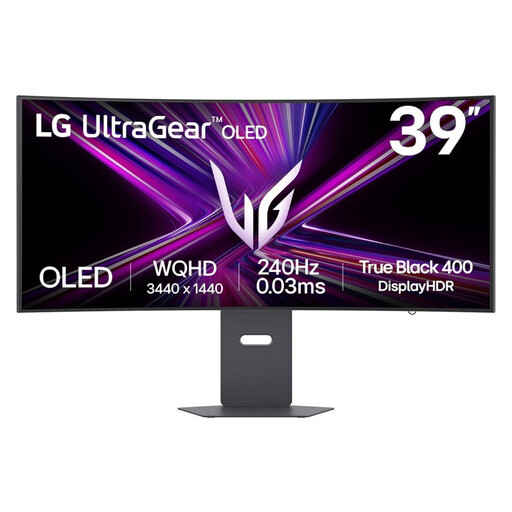
LG UltraGear 39GX900A-B 39-inch gaming monitor
The 39-inch version could be a good fit if you’re looking for a large screen for session and source windows; check that it will fit on your desk.
The product name specifies a 39-inch gaming monitor.
View at Joybuy
 No image available
Dell UltraSharp U4924DW 49-inch monitor
This wide model is designed for anyone who wants to view several windows side by side; measure the available desk width first.
49 inches and 5120 × 1440 pixels, according to the product name.
The stated width with the stand is approximately 121.5 cm.
View at Joybuy
 No image available
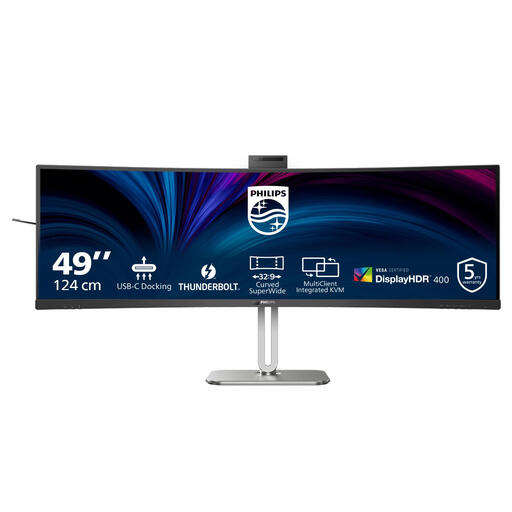
Philips 49B2U6903CH/00 49-inch monitor
This wide model could be a good fit if you want to see lots of windows at once; measure the space on your desk before choosing a screen of this size.
49 inches, 5120 × 1440 pixels and Dual QHD, according to the product name.
The stated width with the stand is 1193 mm.
View at Joybuy
 No image available
CRUA 49-inch curved ultrawide gaming monitor
The 32:9 layout is designed to display several windows across a wide screen; bear in mind the space and mounting requirements of a 49-inch screen.
5120 × 1440 pixels, 165 Hz and a height-adjustable stand, according to the product name.
For desk or VESA mounting, a load capacity of at least 15 kg and two-person assembly are specified.
View at Joybuy
Frequently asked questions
Will a larger monitor make large source files quicker to process?
No. A monitor displays images and provides screen space, but it doesn’t determine how quickly your computer or storytelling software processes files. So, consider file size separately from your choice of screen.
How can I arrange a session and source windows side by side?
On a Windows computer, you can use Snap to arrange windows side by side or in a grid. Adjust the text size or display scaling if needed, and check that both windows remain easy to read.
What should I look for when using USB-C with a monitor?
Check that the USB-C connection on the exact monitor and the port on your computer provide the video, data and charging features you need. Also check which cable and hub settings are required; features and supported settings vary by model.
What can I do about prolonged use or distracting reflections?
Arboportaal advises positioning the screen directly in front of you, setting the top just below eye level and varying your posture. Also check the light in the room and how adjustable your chosen model is; this guidance does not guarantee that you won’t experience discomfort.
What does the energy label mean, and who should I contact about a fault?
The European Commission describes an A to G energy label for computer monitors; compare the label for the exact model. According to ACM ConsuWijzer, if a product is faulty under normal conditions of use, the seller is responsible for providing an appropriate solution under the legal guarantee. This is separate from any manufacturer’s warranty.


