Start by considering how much screen space you need and what text size works for viewing diary entries, index fields and source files at the same time. An adjustable setup may also be worth considering. If you regularly use a laptop, pay attention to USB-C, the power delivery you need and the other connections available. A monitor displays files, but it does not create or store links between your sources and your index.
Who is this choice relevant to?
People indexing across multiple source windows
If you want to refer to diary entries, index fields and source files at the same time, consider your screen layout and a text size that’s easy to read. Microsoft Support explains how to arrange application windows in Windows.
Readers who work with text for long periods
If you switch frequently between transcripts and scans, consider an adjustable monitor and how easy it is to read from your own workstation. Arboportaal offers advice on screen-based work and setting up your workstation.
Laptop users who also view image archives
If you connect a laptop, first work out which connections and how much power delivery you need. If you also assess photos or scans for colour, colour specifications may be relevant. Dell, ASUS and BenQ describe these features for specific models.
What should you look for?
First decide how many windows you want to see at once, then test the text size in the programmes you use. Next, consider adjustability and, if you connect a laptop or assess images for colour, check the connections and colour specifications.
| Consideration |
What to look for when buying |
Who is this important for? |
| Space for sources and index fields |
Compare screen size and resolution. Check that your windows and text remain readable at the size you want. |
If I want to refer to my diary, index fields and source files side by side, I prioritise usable screen space. Around 36% of consumers say this is their top buying priority. |
| Reading comfort during long indexing sessions |
Check whether the stand is adjustable and whether text remains readable in the programmes you use. |
When I spend a long time switching between transcripts and scans, I want to adjust my screen position and read text clearly. Around 29% of consumers prioritise readability and an adjustable setup. |
| Connecting a laptop |
Check that your laptop and cable support the video and data features you need, and that the stated power delivery is suitable for your laptop. |
If I often connect my laptop at the same workstation, I want to know in advance which features and connections work through the monitor. Around 21% of consumers give laptop connectivity top priority. |
| Colour reproduction for photos and scans |
Compare the stated colour gamut and any calibration features if assessing images is part of your work. ASUS and BenQ list these specifications for specific models. |
When I also assess travel photos or scans for colour, I look for colour specifications suited to my image work. Around 14% of consumers prioritise colour assessment. |
Things to consider before buying
-
USB-C doesn’t automatically guarantee video and enough power for your laptop
Monitors can specify different power delivery levels. The ASUS PA278CV lists 65 W; Dell specifies up to 90 W for the Dell P2725DE. The combination that works also depends on your laptop and cable.
Before buying, compare the video and charging capabilities of your laptop, monitor and cable if you plan to rely on a single cable.
-
More pixels or a wider colour gamut won’t automatically speed up indexing
4K display or colour specifications describe screen features, not a measured time saving when indexing text. Arranging windows and linking index data to source files are also functions separate from the monitor itself.
Test your preferred window layout and text size in the programmes you use. Choose colour features primarily if assessing images is genuinely part of your work.
-
An adjustable monitor isn’t the whole workstation setup
An adjustable stand lets you change the screen position, but that alone doesn’t mean your entire workstation is set up appropriately.
Once you’ve positioned the monitor, also check the screen angle and how easy your sources are to read. Don’t assume a product feature will have a particular health benefit.
Relevant brands to consider
Dell
The Pro 27 Plus P2725DE is worth considering for QHD text work with a laptop and a wired workstation.
- Dell lists a 27-inch QHD display, adjustable stand, USB-C with up to 90 W and RJ45 for this model.
- Check that your laptop supports the USB-C features you want and the power delivery you need.
ASUS
According to ASUS, the ProArt PA278CV combines a 27-inch QHD screen with features for those who assess images as well as index them.
- ASUS lists 100% sRGB, USB-C with 65 W and height adjustment for this model.
- Check whether 65 W is enough for your laptop. The colour specification comes from the manufacturer and isn’t an independent test result.
BenQ
The SW242Q is designed for a workstation where vertical document space and a specialist photo workflow matter.
- BenQ lists a 24.1-inch screen, 2560 × 1600 resolution, a 16:10 aspect ratio, a card reader and hardware calibration for this model.
- Consider whether the screen size suits the number of text windows you want to use at once. These specifications aren’t a comparative user test.
Philips
The Business Monitor 27B2U3601/00 is a QHD model for general office work.
- Philips lists USB-C, QHD, 120 Hz and a SmartErgoBase for this model.
- A stated refresh rate of 120 Hz doesn’t in itself offer an advantage for linking index data to files.
LG
The UltraFine 27UP850K-W is worth considering if 4K display is important alongside indexing.
- LG lists a 27-inch screen, 3840 × 2160 resolution, USB-C up to 96 W and an adjustable stand for this model.
- Check that your laptop supports 4K output and that the text size suits your needs.
Joybuy monitors for text work and source files
These models offer screen space for multiple windows, and some include connections for a laptop workstation. The monitor displays the files; links between source files and your index are created and stored in the software and file structure you use.
 No image available
Dell Pro P3426WEB USB-C hub monitor
An ultrawide screen for viewing diary entries, index fields and source windows side by side.
34.1 inches; 3440 × 1440; USB-C hub up to 90 W, RJ45 and KVM switch. The description also lists a built-in webcam, microphone and speakers.
View at Joybuy
 No image available
Philips 6000 series 34B2U6603CH/00
An ultrawide screen layout for viewing diary entries and source files at the same time.
34 inches; 3440 × 1440; 21:9 aspect ratio; Thunderbolt 4, USB Power Delivery up to 100 W and a USB hub. The description also lists height adjustment, a swivelling stand and a built-in webcam.
View at Joybuy
 No image available
ASUS ProArt PA328QV
A larger QHD screen for combining text and index fields with source windows, with an adjustable monitor position.
31.5 inches; 2560 × 1440; USB hub with four USB-A ports. The stand supports height adjustment, swivel and pivot.
View at Joybuy
 No image available
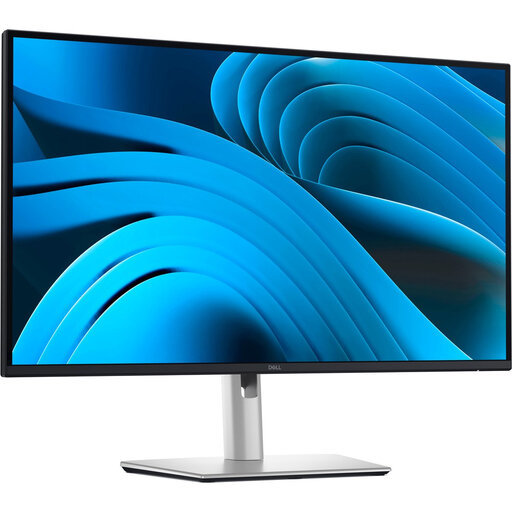
Dell Pro Plus P2725DE
A 27-inch QHD model for combining multiple windows with connections for a laptop workstation.
2560 × 1440; USB-C with up to 90 W Power Delivery and RJ45. The adjustable stand supports height, tilt and swivel adjustments.
View at Joybuy
 No image available
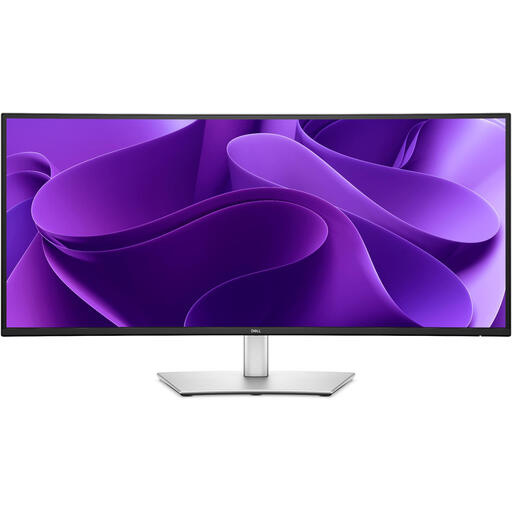
Dell Pro Plus P3425WE
An ultrawide model for viewing multiple text and source windows side by side.
34.1 inches; 3440 × 1440; 21:9 aspect ratio; USB-C with 90 W Power Delivery, RJ45 and KVM switch. The setup description lists height and tilt adjustment.
View at Joybuy
Frequently asked questions
Can the monitor automatically link source files to my index?
No. A monitor displays content; you manage links between index data and source files in the software and file structure you use. Microsoft Support does explain how to arrange application windows in Windows.
How do I put a travel diary and source file side by side?
In Windows, you can use Snap to arrange application windows. Then choose a text size in your programmes that keeps both the source and index fields readable.
Do I need an extra manufacturer’s warranty to protect my statutory rights?
No. The Dutch government states that in the Netherlands you’re entitled to a product that works properly and that there is no fixed statutory warranty period. If a fault is the seller’s responsibility, you may be entitled to a remedy under the applicable conditions.
Can I try out a monitor bought online and return it?
For a standard online consumer purchase, you generally have a statutory cooling-off period of up to 14 days after delivery. ACM ConsuWijzer also explains the conditions and exceptions for unboxing, trying out and returning a product; check what applies to your particular purchase.
What energy information can I compare when choosing a monitor?
EU energy labelling rules cover computer monitors. Compare the energy label for the specific model and, if you wish, consult EPREL. Don’t estimate energy use based only on screen size or resolution.


