
Designer with limited desk space
Wants to leave room for input devices and a practical setup. So compare the stand’s overall dimensions and adjustability, not just the screen size. ASUS and BenQ list dimensions for the models mentioned here.


On a small desk, your choice mainly comes down to how much space the monitor stand takes up and whether you need extra room for your editor and preview. First, measure the available width and depth. Then compare a compact Full HD model with a 16:10 screen for extra vertical space, or a QHD model for more pixels. If you’re using a laptop, check separately whether USB-C supports video and provides enough power to charge it. Finally, test your menu at the intended screen aspect ratios.
Wants to leave room for input devices and a practical setup. So compare the stand’s overall dimensions and adjustability, not just the screen size. ASUS and BenQ list dimensions for the models mentioned here.
Needs enough pixels or vertical space for design panels and a menu preview. Unity explains how creators can test different aspect ratios and resolutions.
Wants to consider quoted colour spaces and colour modes without mistaking manufacturer specifications for independent measurements. ASUS and BenQ publish colour information for the models mentioned here.
| Key consideration | What should you check? | Who is this for? |
|---|---|---|
| Desk space | Measure the available width and depth, then compare them with the screen’s overall dimensions, including the stand. If you’re using a monitor arm, also check the VESA size and the screen’s weight without the stand. | If you want to leave room for the screen, stand and input devices on a small desk, focus on whether it will physically fit. This is the main consideration for around 33% of consumers. |
| Editor and preview space | Compare 1920 × 1080, 1920 × 1200 and 2560 × 1440 for your own layout, and check that text scales comfortably. Test the menu at the intended aspect ratios too. | If you want to view your design tools and a menu preview side by side, usable workspace matters. Around 27% of consumers prioritise this layout. |
| Colour reproduction | Check the quoted sRGB coverage and available colour modes for the exact version. Consider whether your workflow requires additional calibration. | For colour-sensitive menu assets, it’s useful to know which colour space the manufacturer quotes, without treating it as an independent measurement. Around 20% of consumers prioritise colour accuracy. |
| Laptop connection | Check whether the USB-C port supports video, how many watts of Power Delivery it provides, and whether that suits your laptop. Also check which cables are included. | If you want to reduce the number of cables on a compact desk, check that both video and charging work through the connection you’ve chosen. Around 20% of consumers prioritise a simple laptop connection. |
The stand can take up a significant amount of space on a small desk. According to their manufacturers, the ASUS PA248QV and BenQ PD2506Q have different overall dimensions and depths with the stand.
Measure the available space and compare it with the dimensions of the model including the stand before you choose.
You may need to rearrange your desk or find a suitable monitor arm.
According to Dell, the USB-C downstream port on the Dell P2425 is for data only. BenQ lists USB-C video and 65 W Power Delivery for the PD2506Q.
Check the video function, charging power and required cables for the exact monitor and laptop.
Depending on the combination, you may need an additional video cable, power adapter or compatible cable.
A different resolution or aspect ratio can change how UI elements are positioned and scaled.
Test the menu in the intended aspect ratios and resolutions while you’re designing it. Unity explains how to view different aspect ratios and check UI scaling.
The P2425 is a 24.1-inch 16:10 model for anyone weighing up extra vertical workspace and adjustability.
The ProArt PA248QV is a 24.1-inch 16:10 option where quoted colour coverage and overall dimensions may be important.
The PD2506Q combines a 25-inch QHD panel with quoted colour information and USB-C video.
The 24BA560-B is a 23.8-inch Full HD model for a straightforward screen layout.
The 24E1N1300A/01 is a 23.8-inch Full HD model with USB-C as a potential connection for a laptop setup.
This selection includes compact Full HD monitors and portable screens for designing and viewing a game menu. If you’re considering a portable 16:10 screen, also check the preview at the aspect ratio your menu is designed for.
 No image available
A compact Full HD option to consider if you want to design and view a menu in 16:9.
23.8 inches; IPS; 1920 × 1080; 16:9; 99% sRGB; height-adjustable stand; VESA 100 × 100 mm.
 No image available
A 16:9 Full HD format to compare if you want to view your menu preview in the same aspect ratio.
IPS; 1920 × 1080; 16:9; tilt-adjustable stand; VESA 100 × 100 mm; HDMI and DisplayPort.
 No image available
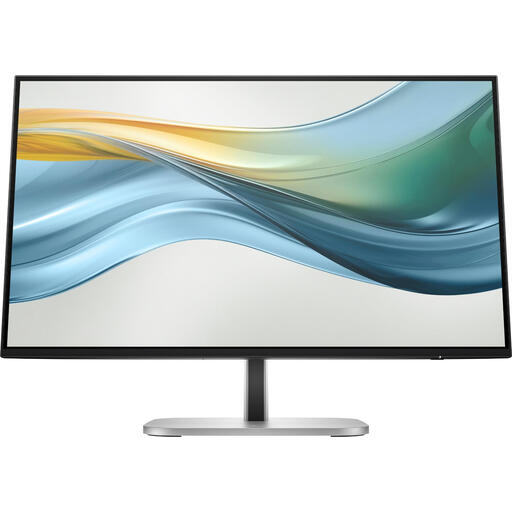
A compact Full HD format to consider if adjustability and a USB-C connection suit your laptop setup.
1920 × 1080; 100% sRGB; USB-C with up to 100 W Power Delivery; 189.5 mm deep with stand. A charger isn’t included as standard and must be purchased separately.
 No image available
A portable 16-inch screen to consider if you want extra vertical pixels in a setup you can move around.
16:10; 2560 × 1600; 144 Hz; 100% sRGB; two USB-C ports; Mini HDMI; built-in stand. The 16:10 aspect ratio isn’t the same as a 16:9 game preview, so test the menu at the intended aspect ratios too.
 No image available
A portable 16-inch option to consider if a 16:10 workspace with extra vertical pixels suits your setup.
2560 × 1600; 16:10; 144 Hz; Mini HDMI; USB-C; VESA-compatible. The 16:10 aspect ratio isn’t the same as a 16:9 game preview, so test the menu at the intended aspect ratios too.
Yes, you can use a 16:10 monitor as your workspace, but also view the menu in the intended 16:9 preview and other relevant aspect ratios. Unity explains how creators can test different aspect ratios and UI element scaling.
Check that the VESA mount and the screen’s weight without the stand are suitable for the arm. For a single-cable USB-C connection, both the monitor and laptop must support video, and the charging power must be sufficient. BenQ lists DisplayPort Alt Mode and 65 W Power Delivery for the PD2506Q, while Dell describes the P2425’s USB-C downstream port as data-only.
View the menu in your design tool at different resolutions and aspect ratios, and check the position and scale of the UI elements. Unity explains features including previews at other aspect ratios, anchors and Canvas Scaler settings.
The regulations described by Arboportaal apply to employers and employees’ workplaces; they aren’t a general requirement for the size of a monitor bought by an individual. Arboportaal mentions factors including adjustability, avoiding reflections and taking breaks from screen-based work. Whether the rules apply depends on the work situation.
According to ACM ConsuWijzer, online consumer purchases generally come with a statutory cooling-off period of up to 14 days after delivery, subject to legal exceptions. The seller must also provide a free remedy under the statutory guarantee if a product breaks sooner than reasonably expected during normal use. Check the returns information and details of the seller before ordering.