
Indexer working with two document windows
You keep a scan of meeting minutes and input fields open at the same time, and want both windows to remain readable. Microsoft Support explains how to arrange windows side by side.


For viewing a scan alongside an input or reference document, a 27-inch QHD monitor is a sensible starting point. A 34-inch ultrawide gives you more horizontal space if you want to keep several windows open for long periods and have enough desk width. Also check that your laptop supports the video connection you want and any USB-C power delivery. A larger screen gives you more room to work, but it won’t index documents for you.
You keep a scan of meeting minutes and input fields open at the same time, and want both windows to remain readable. Microsoft Support explains how to arrange windows side by side.
You switch between scans, notes and input fields during longer sessions, and want to position the screen to suit your workspace. The employment rules mentioned apply to employees under specific conditions; they do not automatically apply to volunteers.
You want to use a larger screen alongside your laptop, so you’ll need to check that the video port, cable and any USB-C power delivery are compatible with your computer.
Start by checking whether your scan and input window fit side by side at a text size that’s comfortable to read. Then choose a screen size and connection to suit your desk and computer.
| What to consider | What should you check? | Who is this important for? |
|---|---|---|
| Two readable windows | Try your own scan and input application side by side at your preferred text size. For example, compare 2560 × 1440 with 3440 × 1440 pixels. | When I’m copying information from a scan, I want to be able to read both windows without constantly zooming in or scrolling. Around 36% of consumers prioritise readable windows. |
| Screen position | Check the height adjustment, the space needed for the stand or arm, and whether the screen might reflect light where you plan to place it. | For longer reading sessions, I want to position the screen to suit my workspace and the direction of the light. Roughly 29% of consumers pay particular attention to screen position. |
| Laptop connection | Compare your laptop’s video output with the monitor’s inputs. If you’re using USB-C, check separately whether the port supports video and whether its power output is sufficient. | If I want to connect my laptop with a single cable, that connection needs to work with both my computer and the screen setup I want. Around 21% of consumers prioritise the laptop connection. |
| Size and features you need | Measure the available desk width and consider whether you really keep more than two windows open at once. Check the dimensions of the stand, too. | I want to avoid a larger screen taking up too much space or paying for features I won’t use. Around 14% of consumers focus on available space and avoiding unnecessary extras. |
Screen size, aspect ratio, resolution and window layout all affect the amount of space you have for documents in different ways. A larger diagonal doesn’t guarantee that two enlarged windows will be comfortable to read.
Try your own scan and input fields at your preferred text size. Only then compare a 27-inch QHD screen with a wider 34-inch setup.
USB-C video support and laptop power delivery are separate things to check. Dell specifies 90 W for the P2725DE, while BenQ specifies 65 W for the GW2790QT. The right power output depends on your laptop.
Check your laptop’s video output and compare its power requirements with the specifications for the exact monitor model.
You may still need a different video connection or your existing laptop charger.
The Dutch government (Rijksoverheid) points out that the retailer is your point of contact if there’s a problem with a product. A paid-for extended warranty is not the same as your statutory rights.
Before paying for an extended warranty, check what extra cover it provides and compare it with your statutory rights.
The Pro Plus P2725DE is a 27-inch QHD hub monitor for a laptop-based workspace.
The LG 34U650A-B is a 34-inch ultrawide with a 21:9 aspect ratio, for anyone who wants more room to arrange windows side by side.
The GW2790QT is a 27-inch QHD model with a USB-C hub, designed for use with a compatible laptop.
The 27E1N1600AE/00 is a 27-inch QHD monitor with USB-C, for anyone who isn’t looking for an ultrawide.
This selection includes 27-inch monitors for document work, including QHD and 4K models, as well as a 34-inch ultrawide for wider window layouts. Before buying, check that the screen will fit on your desk and that its connections are compatible with your computer.
 No image available
A good fit if you want to view two sources at once on a single screen.
27 inches; 3840 × 2160 pixels; 120 Hz; PIP and PBP; USB-C with 90 W Power Delivery; adjustable stand.
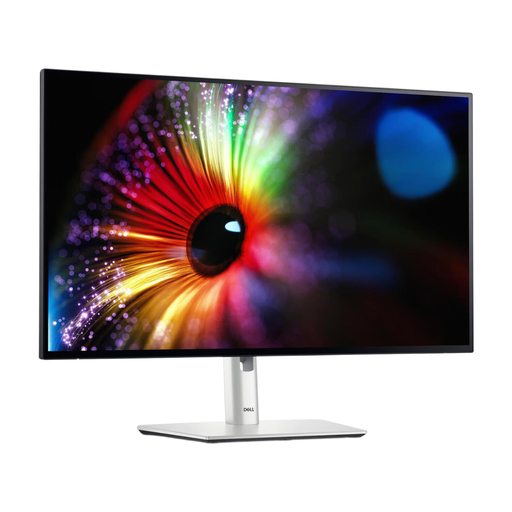 No image available
A 27-inch QHD screen to consider for viewing a scan alongside input fields.
27 inches; 2560 × 1440 pixels; Quad HD.
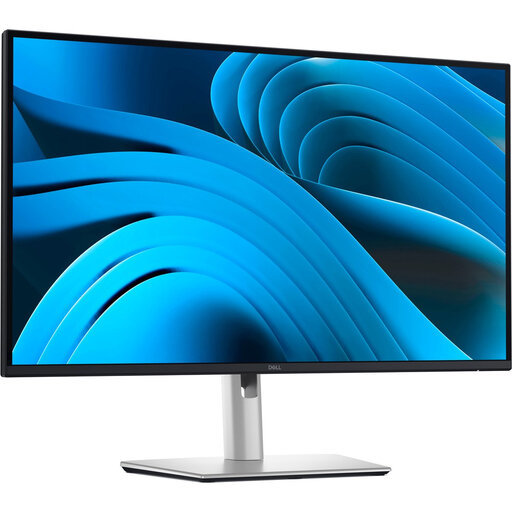 No image available
A 27-inch QHD option for two document windows, with USB-C features for a compatible laptop.
27 inches; 2560 × 1440 pixels; 90 W USB-C power delivery; adjustable stand. Check that your laptop supports USB-C video and that the power output is sufficient.
 No image available
A 27-inch QHD model to include in your comparison for a single-monitor setup.
27 inches; 2560 × 1440 pixels; Quad HD.
 No image available
An ultrawide option if you want more horizontal space to view documents side by side.
34 inches; 3440 × 1440 pixels; Wide Quad HD. Measure your available desk width before choosing this size.
No, you can do this on a standard screen too. Windows can arrange two windows side by side; whether they remain readable depends on your scan, the application and your chosen text size. Try the layout before buying extra width.
In Windows, drag a window to the left or right edge of the screen, then place the other in the remaining space. Microsoft Support also explains how to adjust the divider. Check the controls in your own indexing application, too.
No. Dell lists 90 W for the P2725DE, while BenQ lists 65 W for the GW2790QT. Compare your laptop’s power requirements with the output of the exact model, and check separately whether your laptop’s USB-C port supports video.
The rules cited are aimed at employers and employees; without information about your working relationship, it isn’t possible to say whether they apply to you. Arboportaal explains the conditions for employees and includes requirements for the workplace, among other things. You can also assess your screen position practically without assuming that this creates a legal obligation for you.
For a standard online consumer purchase in the Netherlands, you’ll generally have a statutory 14-day cooling-off period from delivery; ACM ConsuWijzer also explains the exceptions. Check the retailer’s returns policy as well. A faulty product is a separate matter: according to the Dutch government (Rijksoverheid), the retailer must provide a solution if there’s a problem with a product.