
Vandaag of morgen in huis

Kwaliteit gegarandeerd

Welkomstaanbiedingen ontgrendelen: GRATIS bezorging | Tot 80% korting | Gratis 30 dagen JoyPlus-proefperiode
Download de app
A moisturising face cream seems like a simple purchase until you’re standing in front of a shelf or a long list of products. One cream can leave your skin feeling tight after a few minutes, while another leaves a shiny layer behind. Terms such as “intense hydration”, “glow” and “suitable for all skin types” don’t always tell you what a product is like to use every day.
Comparing products carefully can help you avoid these three common pitfalls:
When choosing a face cream for dry skin, ingredients such as glycerin, hyaluronic acid, panthenol, ceramides and plant oils are worth looking out for. They can help your skin feel comfortable and help retain moisture. A nourishing night cream usually has a richer texture than a light day cream.
For oily or combination skin, a gel cream or light lotion is often a better fit. Look for terms such as “gel”, “non-comedogenic” and “oil-free”, but treat them as product information rather than a guarantee that the formula will work perfectly for everyone.
A face moisturiser doesn’t work simply by adding water to your skin. Humectants, such as glycerin, betaine and hyaluronic acid, help draw in moisture. Emollient and occlusive ingredients, such as shea butter, jojoba oil, squalane or certain silicones, can help create a comfortable layer on the skin.
So a hyaluronic acid cream won’t necessarily be enough for dry skin. The overall formula and how much product you apply matter too. Torriden DIVE-IN’s ingredients list includes several forms of hyaluronic acid, as well as glycerin, ceramide NP and plant oils.
A face cream for sensitive skin calls for extra care when it comes to fragrance and alcohol. Fragrance-free products can be a practical choice if you prefer to avoid scented ingredients. According to the product information, Clinique Moisture Surge 100H is fragrance-free, alcohol-free and non-comedogenic. Always check the packaging, though, as formulas can change.
A day cream with SPF is convenient, but SPF 15 doesn’t automatically replace a separate sunscreen if you’re spending a long time in the sun. NIVEA Essentials 5-in-1 BB Crème Light contains SPF 15 and is tinted for light skin tones. Centella Sun Cream states SPF50+ PA++++, but according to the product information it also contains denatured alcohol and lavender oil. This makes checking the ingredients especially important if you have sensitive skin.
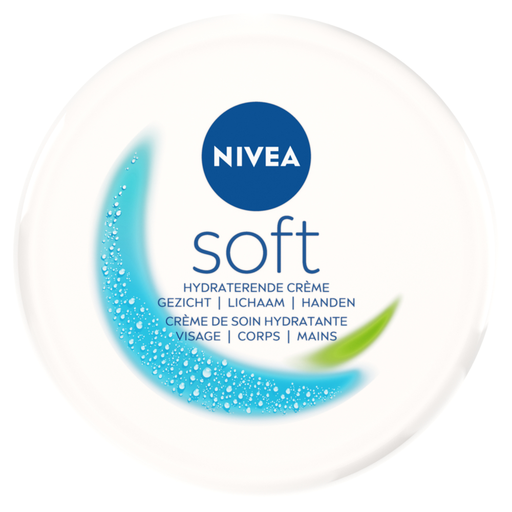
Why it suits this profile: A multi-purpose cream for the face, hands and body is a practical place to start if you want one product and a larger size matters to you.
The product description says it has a light formula that absorbs quickly. If your skin is sensitive to fragrance or alcohol, check the ingredients list.
200 ml; according to the product information, contains jojoba oil and vitamin E; suitable for the face and body.

Why it suits this profile: The gel-cream texture is a good fit if you want a fresh, well-moisturised finish and a product to wear under make-up.
The product description specifies a gel cream that is fragrance-free and non-comedogenic. The claim of up to 100 hours of hydration is a brand claim, not a personal guarantee.
30 ml; gel-based; according to the product information, alcohol-free, fragrance-free and suitable for dry, combination and oily skin.
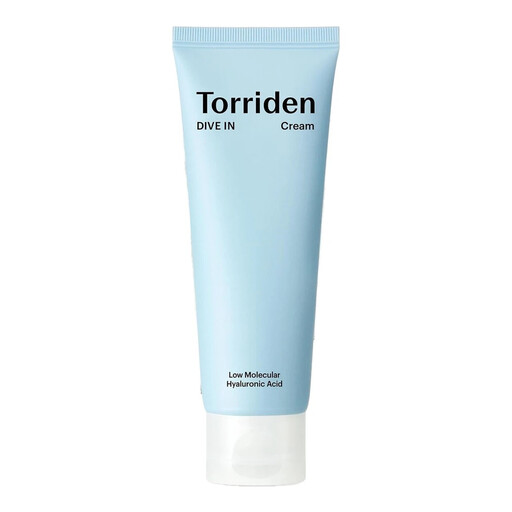
Why it suits this profile: A good option for fans of Korean skincare who want several hydrating ingredients in one everyday cream.
The full ingredients list lets you check what’s in the formula. Claims about deep absorption or reducing fine lines come from the product description and aren’t guaranteed results.
80 ml; several forms of hyaluronic acid; according to the ingredients list, includes glycerin, ceramide NP and jojoba oil.
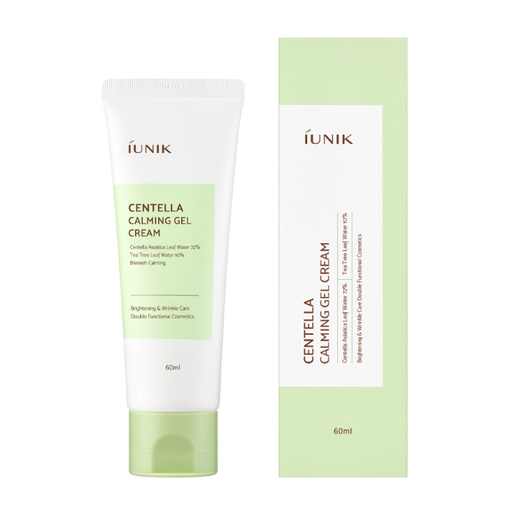
Why it suits this profile: Its light, fast-absorbing texture is a good match if you want hydration without a heavy or greasy feel.
The product description calls the formula light and non-sticky. Its stated soothing effect is a brand claim, so test it on a small area of skin first.
60 ml; according to the product information, a gel cream with centella, tea tree extract and niacinamide; free from synthetic fragrances.
We’ve put together a complete, up-to-date list of products that meet these strict selection criteria and the applicable European safety regulations.
Apply the cream to a cleansed face. A small amount is usually enough; too much product can pill under make-up or feel heavy. Use a separate sunscreen during the day if you’ll be outdoors for a long time. In the evening, a richer cream may feel more comfortable, especially if you have dry skin.
When trying a new formula, start with a patch test on a small area of skin. Stop using it if irritation occurs and follow the safety information on the packaging. Check the product’s shelf life too: the expiry date and period-after-opening symbol are shown on the product or packaging. Store the cream in a cool, dry place away from direct sunlight.
Look for a formula with humectants such as glycerin or hyaluronic acid, combined with emollient ingredients such as ceramides, shea butter or oils. A richer cream can feel especially comfortable in the evening. Try the texture first, as a very rich cream won’t suit everyone.
Often, yes. A face gel cream usually feels light and absorbs quickly. Still, check the full ingredients list and pay attention to how your skin reacts. Oily skin can need moisture too; “oily” and “hydrated” don’t mean the same thing.
Follow the date and the period-after-opening symbol on the packaging. A change in smell, colour or texture may be a sign that you should stop using the product. Keep the jar or tube tightly closed and make sure water or dirt doesn’t get inside.
