
Vandaag of morgen in huis

Kwaliteit gegarandeerd

Welkomstaanbiedingen ontgrendelen: GRATIS bezorging | Tot 80% korting | Gratis 30 dagen JoyPlus-proefperiode
Download de app
A moisturising face cream may seem like a straightforward product, but the range varies considerably in texture, ingredients and intended use. A cream for dry skin feels different from a light gel cream for oily or combination skin. Even a product marketed as “suitable for sensitive skin” may contain ingredients you would rather avoid.
The most important question, therefore, is not which packaging looks most appealing, but: what does your skin need, and which product specifications support that choice?
Terms such as “24-hour hydration”, “glow” or “skin barrier repair” sound clear, but they do not always reflect your personal experience. According to NIVEA’s own research, Essentials BB Cream hydrates the skin for up to 24 hours; the product information states that this was based on an instrumental test with 32 volunteers. Treat this as information about the test setup, not as a guaranteed result for every user.
Claims surrounding an anti-ageing face cream also need to be viewed in context. Ingredients such as niacinamide, adenosine and peptides are often used in formulas designed to create a more even or smoother-looking complexion. This does not automatically mean that fine lines will disappear.
A thick cream can feel pleasant on dry patches, but uncomfortable on oily or combination skin. Conversely, a watery gel cream may not feel moisturising enough if your skin quickly starts to feel tight.
Pay attention to words such as gel, gel cream, rich, day cream and face and body. These terms provide an initial indication of the texture and intended use, but always check the full ingredients list.
According to the product information, a product may be dermatologically tested or hypoallergenic and still not suit everyone. Pay particular attention to perfume, fragrances and known allergens. A fragrance-free face cream is not automatically suitable for every sensitive skin type, but avoiding perfume can be a practical selection criterion.
If you have sensitive skin, carry out a small patch test first. Stop using the product if irritation occurs and follow the warnings on the packaging.
A good basis for daily skincare often consists of a combination of:
An ingredient’s position in the list gives an indication of its quantity, but not of its final effect. The complete formula and your skin type remain important.
For a face cream for dry skin, it is worth considering a richer formula, glycerine, oils or occlusive ingredients such as petrolatum. For a face cream for oily skin, lighter gel textures and a non-greasy feel are often more suitable.
With combination skin, you could use a light gel cream across your whole face and apply a richer cream only to dry areas. A moisturiser for face and body is convenient for everyday use, but may feel heavier on the face than a formula specifically designed for facial use.
If you are looking for a moisturising day cream, look for a formula that sits comfortably under make-up. SPF in a day cream is an additional product feature, but a low SPF does not always replace a separate sun protection product during prolonged exposure to the sun.
Also look out for:
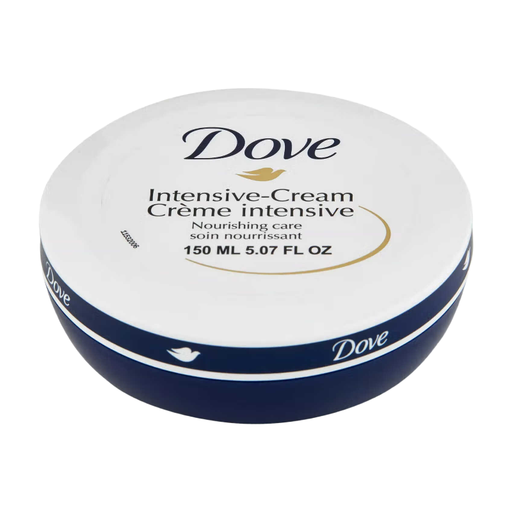
Why it suits this profile: The compact 75 ml tub is practical for everyday use and dry areas such as the hands, elbows and face.
The product description mentions a rich, fast-absorbing formula for dry areas. However, check the fragrances in the ingredients list if you have sensitive skin.
75 ml; suitable for the face and body according to the product description; contains, among other ingredients, glycerine and petrolatum.
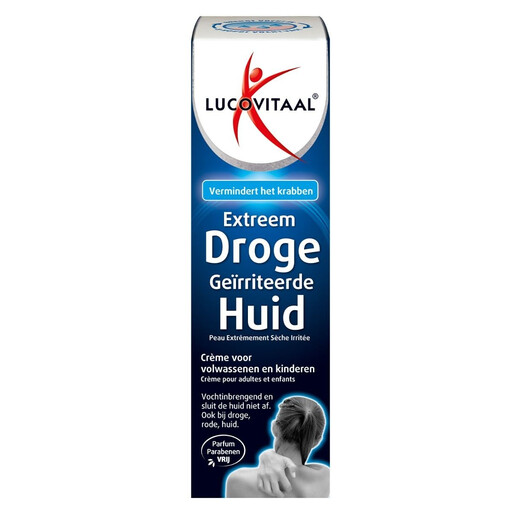
Why it suits this profile: The instructions state that it should be applied two to three times a day to dry, rough or irritated areas.
According to the product information, the formula is fragrance-free. However, check the listed allergens, including milk, soya, wheat and egg.
50 ml; contains panthenol, allantoin, shea butter and ceramide NP; intended for adults and children according to the product information.
We have put together a complete, up-to-date list of products that fully meet these strict selection criteria and the applicable European safety regulations.
Usually, apply the cream after cleansing, in the morning and optionally in the evening. Use a small amount on dry skin and massage it in gently. For a specific formula, always follow the instructions on the packaging.
Check the expiry date, batch information and the open-jar symbol indicating the period after opening on the packaging. Store the cream in a cool, dry place away from direct sunlight. If the fragrance, colour or texture changes, stop using the product.
It can be, but a rich formula may feel heavy or look shiny. If you have oily skin, choose a light gel cream instead and check the product information on texture and pores. For dry or tight-feeling skin, richer ingredients such as glycerine, squalane, ceramides or shea butter are often more suitable.
