
Vandaag of morgen in huis

Kwaliteit gegarandeerd

Welkomstaanbiedingen ontgrendelen: GRATIS bezorging | Tot 80% korting | Gratis 30 dagen JoyPlus-proefperiode
Download de app
A moisturising cream might seem like a simple purchase, but products vary widely in texture, ingredients, size and intended use. A face cream for oily skin, for example, calls for a different formula from a rich body cream for dry elbows or legs.
Keep an eye out for these common pitfalls:
First, check whether the product is intended as a face cream, body cream, body lotion or face and body cream. A multi-purpose moisturiser is handy for your hands, face and body, while a specialist face cream often pays more attention to texture and how comfortable it feels under make-up.
For dry skin, ingredients such as glycerine, shea butter, oils, squalane and petrolatum are worth looking out for. They can help lock in moisture or leave skin feeling soft and supple. Oily or combination skin often suits a light gel cream with humectants such as glycerine or hyaluronic acid, without a heavy feel.
Hyaluronic acid is available in different forms, including sodium hyaluronate and hydrolysed hyaluronic acid. According to the product description, products containing several forms, such as a Torriden hyaluronic acid cream, are developed to help bind moisture. That doesn’t mean every skin type will respond in the same way.
Ceramides, cholesterol and fatty acids occur naturally in the skin. In a cream, they may be part of a formula that the manufacturer says is designed to support the skin’s protective barrier. If you’re looking to “restore the skin barrier”, it’s also worth checking for fragrance, alcohol and potential allergens.
Also check whether a claim comes from the brand. For example: “According to Clinique’s own research, this formula provides up to 100 hours of hydration.” Treat claims like this as product specifications, not universal promises.
A 240 ml tub is handy for everyday use on your arms, legs and other dry areas. A 30 or 50 ml tube is more practical for a face cream and for travel. Also check the recommended amount to use, how long the product lasts once opened and the storage instructions.
Moisturising cream is usually applied to clean skin. After a shower, body cream can help your skin feel moisturised for longer. When trying a new product, first apply a small amount to a small area of skin. Stop using it if you experience redness, itching, a burning sensation or a rash, and speak to a healthcare professional if symptoms persist.
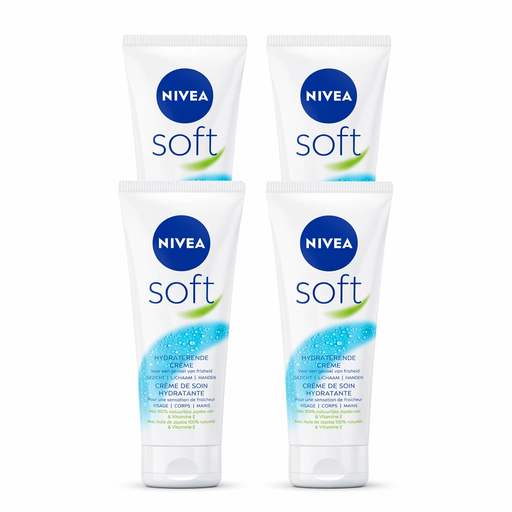
Why it suits this profile: This set contains four 75 ml tubes for everyday use on your face, hands and body. It’s a straightforward option if you want to start with one product.
The product description specifies where it can be used and lists ingredients including vitamin E and jojoba oil. If you’re sensitive to fragrance, check which fragrance ingredients it contains.
75 ml per tube, suitable for your face, hands and body, with a light formula according to the product information.

Why it suits this profile: According to the product specifications, this gel cream is designed for the face and is suitable for dry, very dry, combination and oily skin.
According to the product information, the formula is alcohol-free, fragrance-free and non-comedogenic. The brand’s claim of up to 100 hours of hydration should be read as a manufacturer’s claim.
Gel texture, 30 ml, fragrance-free according to the product information, and suitable for use in the morning or evening.
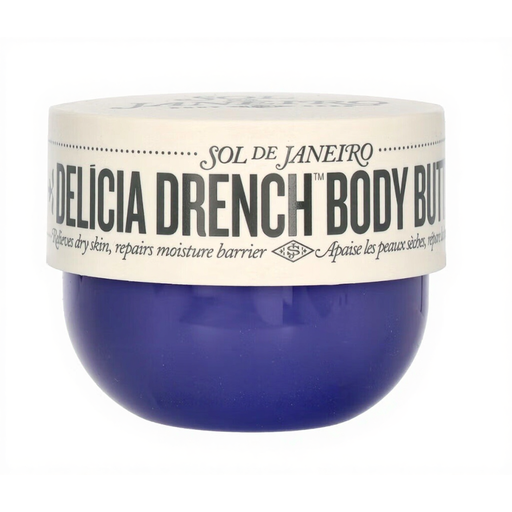
Why it suits this profile: This rich body butter is designed for dry areas and everyday use after showering, with a particular focus on elbows, knees and heels.
The product description mentions a buttery texture that the brand says absorbs quickly. As it contains fragrance and listed fragrance allergens, it’s sensible to do a patch test.
240 ml, with shea butter, glycerine, sodium hyaluronate and plant oils in the listed ingredients.
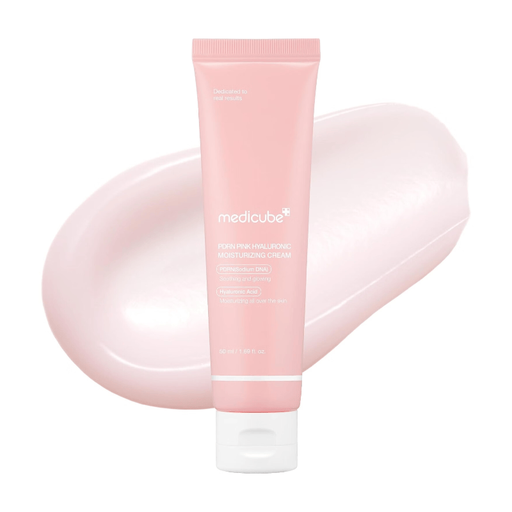
Why it suits this profile: This Korean face cream combines several forms of hyaluronic acid with ceramides and is designed for use in the morning and evening.
The INCI list is available and includes ceramides, panthenol and several forms of hyaluronic acid. The formula also contains fragrance, so those with sensitive skin should do a patch test.
Designed for the face, with ceramides in the ingredients list, and suitable for a morning and evening routine.
We’ve put together a complete, up-to-date list of products that meet these strict selection criteria and current European safety regulations.
It depends on the product and your skin. Face cream is often used in the morning and evening. You can apply body lotion or body cream every day after showering, and reapply whenever your skin feels dry. Always follow the directions on the packaging.
Yes, but it’s best to choose a light formula, such as a gel cream, and check whether the product is recommended for oily or combination skin. A rich cream for dry skin may feel comfortable in winter, but can feel heavy during the day.
Check the open-jar symbol and the packaging. Some products, for example, state that they last for 6 or 12 months after opening. Keep the cream tightly closed in a cool place, away from direct sunlight. If its smell, colour or texture changes noticeably, stop using it.
