
Vandaag of morgen in huis

Kwaliteit gegarandeerd

Welkomstaanbiedingen ontgrendelen: GRATIS bezorging | Tot 80% korting | Gratis 30 dagen JoyPlus-proefperiode
Download de app
A moisturising cream may seem simple to choose, but products vary considerably in texture, ingredients and intended use. Dry skin often needs a richer formula than oily or combination skin. And a cream for your face isn’t automatically suitable for your whole body.
When buying, watch out for these three common pitfalls:
A face cream is usually formulated for a thinner, more visible area of skin. A body lotion or body cream often comes in a larger size and is intended for your arms, legs, hands or torso. Check whether the product is described as being for your face, body or both.
The product label or product page should guide your choice. Also check the ingredients list on the packaging, as formulations can change.
Hyaluronic acid comes in various forms, including sodium hyaluronate, hydrolysed hyaluronic acid and crosspolymers. The presence of several forms doesn’t automatically mean a product will work better for everyone. It does, however, tell you something about how the formula is put together.
Other frequently mentioned ingredients include:
Avoid drawing medical conclusions. A cosmetic cream can care for your skin, but it isn’t a treatment for a skin condition. If irritation persists, stop using the product and ask a doctor or pharmacist for advice.
A larger pack isn’t always better value if you’re only using the product on your face. Compare the amount, for example 30, 60, 80, 100 or 400 ml, and consider how often you expect to use it.
Also check:
The choices below are based on product details you can check, such as size, ingredients, texture and intended use. Claims about performance are presented as product information from the brand or retailer.
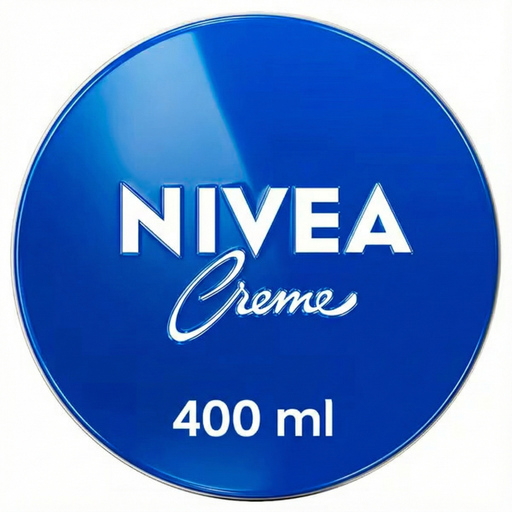
Why it suits this profile: The large pack is practical for everyday use on your face, hands and body. According to the product information, the cream contains glycerine, panthenol and lanolin alcohol, among other ingredients.
It’s described as suitable for a range of uses, so you may not need separate creams for your face and body. Do check for fragrance and the listed fragrance allergens.
400 ml; suitable for face and body according to the product information; rich cream with panthenol and glycerine.
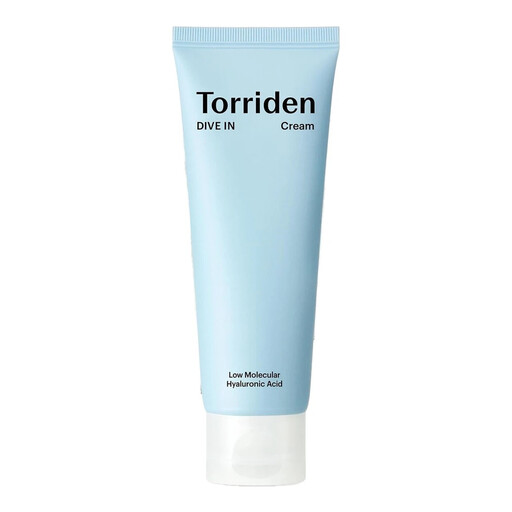
Why it suits this profile: This Korean moisturiser combines several forms of hyaluronic acid with ingredients including jojoba oil, ceramide NP and allantoin. It’s described as having a rich texture that feels light on the skin.
The formula isn’t all about hyaluronic acid: the ingredients list also includes soothing ingredients and those that support the skin barrier. Check the full INCI list if you have allergies.
80 ml; several forms of hyaluronic acid; formula includes ceramide NP, glycerine and beta-glucan.
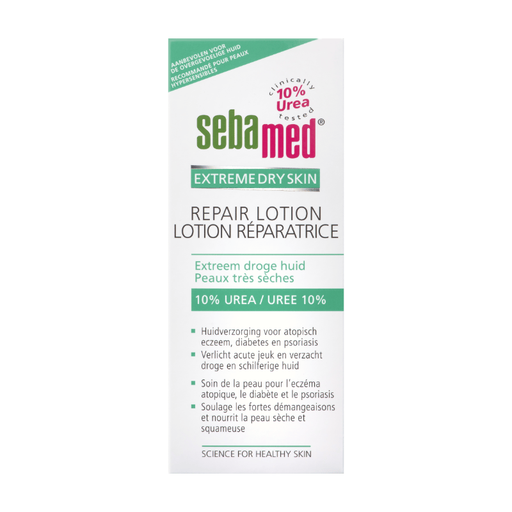
Why it suits this profile: According to the directions for use, this lotion is intended for dry areas of the body and contains 10% urea, glycerine and almond oil. That makes it more targeted than a general face cream.
The packaging clearly states that it’s for use on the body and gives the urea concentration. That helps you make a more informed choice than relying on the word “repair” alone.
200 ml; 10% urea; intended for dry areas of the body; apply as needed.
We’ve put together a complete, up-to-date list of products that meet these strict selection criteria and the applicable European safety regulations.
It depends on the product and your skin. Face cream is often applied to cleansed skin in the morning and evening. You can use body lotion every day, for example after showering. Always follow the directions for use on the packaging.
It can be, but a light gel cream usually feels less rich than a full cream. A formula with glycerine, oils, shea butter or ceramides may feel more comfortable on dry skin. If you prefer, you can use a light moisturiser during the day and a richer cream in the evening.
Check the expiry date and the period-after-opening symbol on the packaging. Store the cream in a cool, dry place away from direct sunlight. If its smell, colour or texture changes, stop using it. Check the current ingredients list and safety information each time you buy it.
