
Vandaag of morgen in huis

Kwaliteit gegarandeerd

Welkomstaanbiedingen ontgrendelen: GRATIS bezorging | Tot 80% korting | Gratis 30 dagen JoyPlus-proefperiode
Download de app
Buying a moisturising cream seems simple enough, until you have to choose between a face cream, body cream, body lotion, moisturiser or intensive night treatment. A rich texture is not automatically suitable for combination skin, and a product containing lots of active ingredients is not always right for sensitive skin.
So don’t focus only on terms such as “intensive hydration” or “restoring the skin barrier”. Pay particular attention to the intended use, ingredients, fragrance, texture and instructions for use. This helps you avoid paying for features you don’t need.
Body cream is often richer and may contain fragrances. That makes it pleasant to use on dry elbows, knees and heels, but it does not automatically make it suitable as a face cream. Always check the packaging to see which part of the body the product is intended for.
Words such as “72-hour hydration”, “repair” or “anti-ageing” are product claims. According to Estée Lauder’s own research, DayWear provides up to 72 hours of hydration; according to Clinique’s product information, the lotion hydrates for up to 8 hours. Treat this as information from the brand, not a guarantee for every user.
Terms such as “restoring the skin barrier” also often refer to the function a brand attributes to certain ingredients or to the formula itself. A cream may make your skin feel more comfortable, but it is not a substitute for medical advice if irritation or skin problems persist.
A fragrance-free cream is not the same as a cream without other potential irritants. Check the full ingredients list, especially if you have sensitive skin. Fragrance, essential oils, alcohol denat. and exfoliating acids may be less suitable for some users.
When trying a new formula, it is sensible to test a small amount on a limited area of skin. Stop using it if you experience redness, itching, swelling or a burning sensation, and follow the safety information on the packaging.
First, choose the area where you want to use the product:
A cream designed for mature skin, for example, may be richer than a gel cream for oilier skin. However, age alone does not determine which formula is right for you.
Ingredients are listed in descending order of concentration. Glycerine is a humectant that helps attract water. Vaseline-like ingredients and silicones can help limit moisture loss from the skin’s surface. Ceramides, fatty acids and cholesterol are found in formulas designed to support the skin barrier.
When choosing a fragrance-free cream, look for descriptions such as fragrance-free or parfumvrij, and check the ingredients list as well. According to the brand’s product information, Clinique Dramatically Different Moisturizing Lotion+ is described as 100% fragrance-free and allergy tested. A-Derma Exomega Control is offered as fragrance-free according to the product description.
A lightweight 400 ml body lotion is convenient for everyday use over large areas of skin. A 240 ml jar of body butter is more compact, but has a richer texture. For the face, packaging of 40 to 60 ml is common.
Ideally, apply body cream or body lotion after showering, when your skin is clean. Face cream is usually the final step in your routine, after serum or other treatments. A day cream with SPF is not a substitute for a separate sun protection product when you are spending a long time outdoors; check the SPF and instructions on the label.

Why it suits this profile: The bottle contains 400 ml and is designed for everyday use on the body. The fluid texture is practical when you want to apply it quickly after showering.
Its use as a body milk is clearly stated, so you won’t accidentally buy this formula as a face cream. The product information mentions fast absorption.
400 ml; suitable for normal and dry skin according to the product specifications; designed for the body.
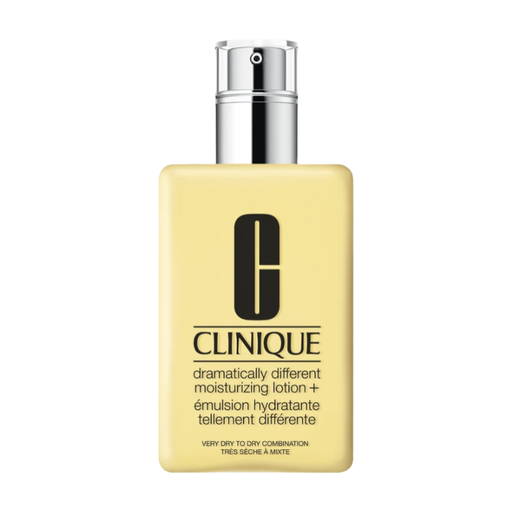
Why it suits this profile: This moisturiser is specifically designed for the face and neck, with a lotion texture for very dry to dry/combination skin.
According to the brand’s product information, the formula is fragrance-free. This makes it a more straightforward choice for anyone wishing to avoid fragrances.
125 ml; fragrance-free according to the brand’s information; glycerine, dimethicone, petrolatum and sodium hyaluronate are listed among the ingredients.
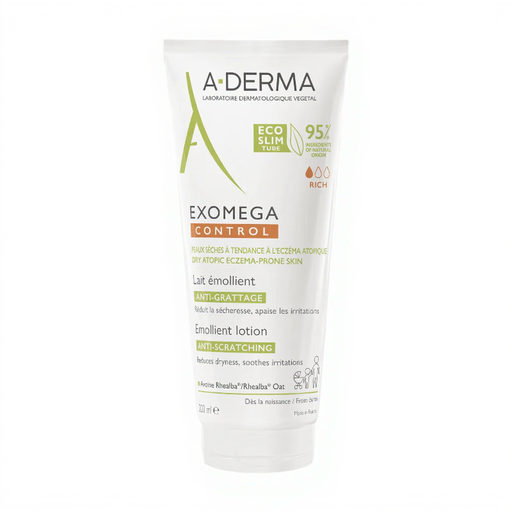
Why it suits this profile: According to the product information, this lotion is designed for dry, sensitive skin and can be used on the face and body. Its lightweight texture is suitable for everyday application.
The product description mentions a fragrance-free formula and a non-greasy texture. However, check the current packaging and ingredients list at the time of purchase.
200 ml; suitable for use on the face and body according to the product information; fragrance-free according to the product description.
We’ve put together a complete, up-to-date list of products that fully meet these strict selection criteria and the applicable European safety regulations.
That depends on the formula and your skin. Many face creams are used in the morning and evening. You can apply body lotion daily after showering and reapply whenever your skin feels dry. Always follow the instructions on the label.
Check the container marked with the 12M symbol or read the text on the packaging. Several of the products mentioned state a usage period of 12 months after opening. Store the cream in a cool, dry place away from direct sunlight. If its smell, colour or texture changes, stop using the product.
No. The right choice depends on your skin type, intended use, size and ingredients. A large bottle of body lotion may be more practical for everyday use on the body than a small luxury cream. For sensitive skin, a fragrance-free formula may be more important than a luxurious appearance. Compare the product specifications and intended uses before placing your order.
