
Livraison le jour même et le lendemain

Qualité garantie

Débloquez vos offres de bienvenue: Livraison GRATUITE | Jusqu'à -80 % | 30 jours d'essai gratuits à JoyPlus
Téléchargez l'application
Moisturising wipes for sensitive skin often look very similar. Yet they differ in material, moisture content, ingredients, size and intended use. A wipe that works well for a quick nappy change isn’t automatically suitable as a facial cleansing wipe. Even a pack with an eco-friendly claim deserves a closer look.
For parents, carers and adults with sensitive skin, these are the key pitfalls to watch out for:
With fragrance-free baby wipes and alcohol-free baby wipes, it’s important to look beyond the front of the pack. Search the product information for terms like fragrance-free, unscented, alcohol-free and possibly dye-free. These labels tell you something about the composition, but they don’t guarantee that every skin type will tolerate the product without issue.
For newborns and easily reactive skin, a short ingredients list can be clearer. Some WaterWipes products, for example, list purified water and a small amount of grapefruit extract. Other wipes may contain glycerine, citric acid or preservatives. None of these variants is automatically suitable for everyone.
Use wipes only externally, avoid contact with the eyes, and stop if you experience redness, irritation or a stinging sensation. If symptoms persist, it’s wise to seek advice from a healthcare professional.
Thickness partly determines how sturdy a wipe feels and how much surface area you can clean per wipe. A thin sheet may be enough for a small clean-up, while an extra-thick or large wipe is more practical for a nappy change, body cleansing or more intensive use.
Consider:
Plant-based, cellulose and viscose lyocell refer to fibre materials, but don’t on their own tell you how quickly a wipe breaks down. So check the specific product information and dispose of used wipes according to the instructions.
Baby wipes, facial cleansing wipes, make-up remover wipes and moist toilet wipes are different product categories. Use them for their intended purpose where possible.
Dispose of baby wipes and most moisturising wipes for sensitive skin in the bin. Even a product with a biodegradable fibre base doesn’t automatically belong in the sewer.
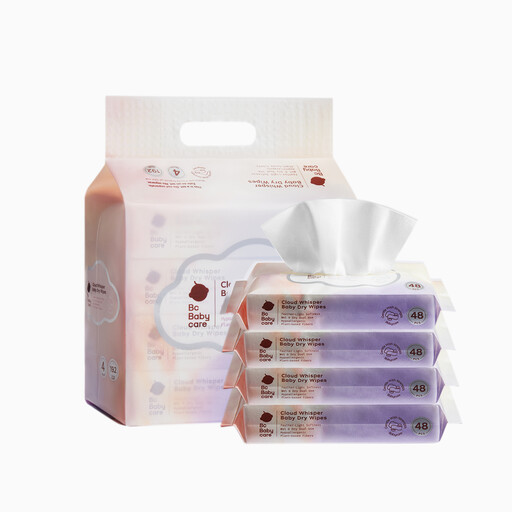
Why this fits the profile: The pack contains 192 wipes in four packs. According to the product description, they can be used dry or with water, making them suitable for baby care, a quick facial cleanse and daily use at home.
The dual-use design means you don’t need a different type of wipe for every application. The description states no alcohol, parabens or fragrance. Used wipes should not be flushed.
192 wipes, size 200 × 200 mm and fibres made from, according to the product information, 100% plant-based viscose lyocell.
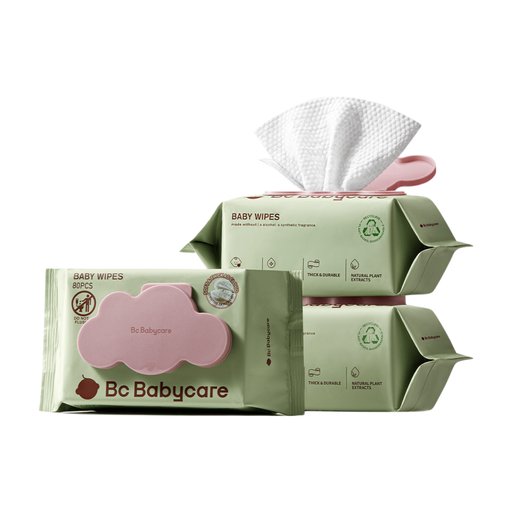
Why this fits the profile: For families who pay attention to thickness, moisture content and material. The product information states 99% purified water, an unscented formula and an OEKO-TEX certificate with ID 25.HUS.21538 Hohenstein.
The combination of extra thickness and moisture content is clearly specified. According to the product description, the wipes are plastic-free and intended for the bin, not the toilet.
240 wipes, unscented and, according to the product information, three times thicker than many standard wipes.
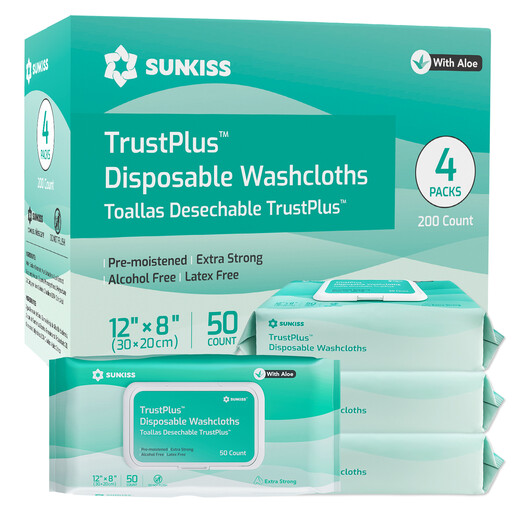
Why this fits the profile: The 20 × 30 cm size is designed for body cleansing and adult care. This makes these wipes practical for freshening up on the go, limited mobility or situations where water isn’t readily available.
It’s not a small baby wipe that you’d need to use multiple times for a large area. The description mentions an extra-large size, a fragrance-free and alcohol-free formula, and a resealable lid.
200 wipes, 20 × 30 cm per wipe and, according to the product information, pH-neutral, latex-free and enriched with aloe vera and vitamin E.
We’ve put together a full, up-to-date list of products that fully meet these strict selection criteria and comply with current European safety regulations.
No. Fragrance-free is a useful selection criterion, but it’s not the only one. Also check for alcohol, dyes, preservatives and plant extracts in the ingredients list. If in doubt, test on a small area of skin first and stop if irritation occurs.
This varies by brand and packaging. Close the lid immediately after use and store the pack in a cool, dry place away from direct sunlight and heat. Check the expiry information on the packaging. An opened pack can dry out faster than an unopened multipack.
Baby wipes should not normally be flushed. Even biodegradable wipes and plastic-free wipes can cause blockages. For flushing, only use moist toilet wipes with an explicit instruction on the packaging, and stick to the recommended amount.
