
Vandaag of morgen in huis

Kwaliteit gegarandeerd

Welkomstaanbiedingen ontgrendelen: GRATIS bezorging | Tot 80% korting | Gratis 30 dagen JoyPlus-proefperiode
Download de app
Buying a moisturising lotion seems simple, until you have to choose between a face cream, body lotion, moisturiser or hydrating cream. Marketing copy often promises long-lasting hydration, a stronger skin barrier and a lightweight texture. However, attractive packaging says little about whether a product will work comfortably for your skin and everyday routine.
Pay particular attention to three common pitfalls:
A lotion for dry skin often contains a combination of moisture-binding and protective ingredients. Glycerine, hyaluronic acid, urea, oils, butters, petrolatum or dimethicone can each play a different role in the texture and feel on the skin.
For oily or combination skin, a lightweight gel cream or oil-free moisturiser may feel more comfortable. For dry skin, a richer moisturising cream may be a better fit. If you are looking for a product for the whole family, check whether it is intended for the face, body or both.
A fragrance-free lotion is not automatically suitable for everyone, but it may be a sensible choice if you want to avoid fragrances. Check the current ingredients list on the packaging, as formulations can change.
Be aware of the difference between “fragrance-free” and “unscented”. A product may not have an obvious perfume scent but may still contain individual fragrance components. If you have sensitive skin, it is sensible to apply a small amount to a limited area of skin first. Stop using the product if irritation occurs and follow the safety instructions on the packaging.
A 400 ml bottle is practical for your arms, legs and whole body. A 100 or 125 ml tube is easier to take with you and is often suitable for facial skincare. A gel will generally absorb differently from a rich body lotion. So think about your routine:
The term strengthens the skin barrier appears regularly in product information. Treat this as a brand claim and check which ingredients and usage instructions are mentioned. A lotion is not a substitute for medical advice if you have persistent skin problems.
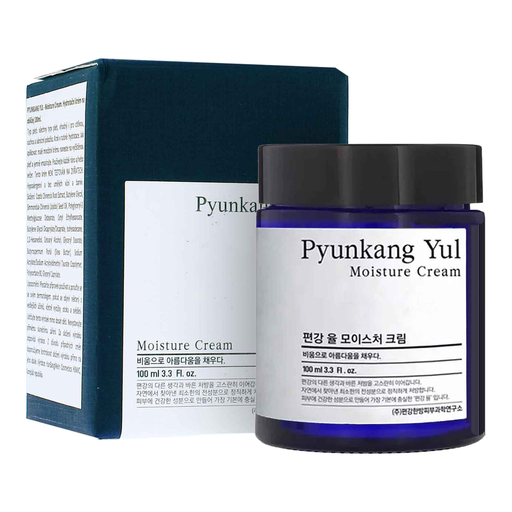
Why it suits this profile: According to the product description, this 100 ml face cream has a creamy texture, is intended for the face and neck, and is designed for everyday use, including on sensitive or oily skin.
The product information states that it contains no fragrance or irritating ingredients. However, check the current packaging and ingredients list before buying.
100 ml, tube, fast-absorbing formula according to the description, and suitable for everyday use.

Why it suits this profile: This oil-free gel cream is intended for the face and, according to the product description, can be used as a moisturiser, make-up base or short-contact mask.
The product information describes a fragrance-free, alcohol-free and non-comedogenic formula. The stated 100 hours of hydration is a claim from the product information, not a personal guarantee.
75 ml, gel cream, oil-free and suitable for dry, combination and oily skin according to the product details.
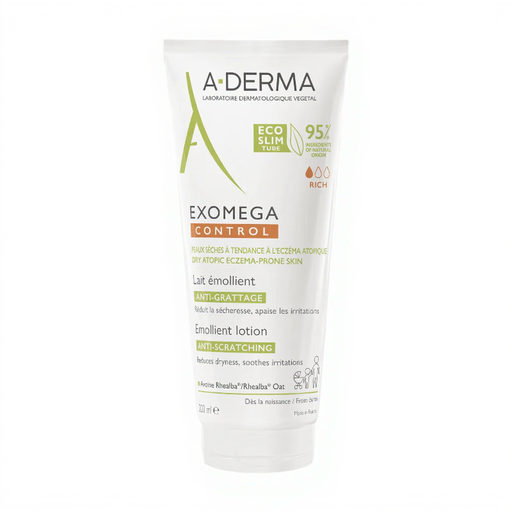
Why it suits this profile: The product description mentions use on the face and body, a fluid texture and use on dry, sensitive skin for the whole family.
The lotion is described as fragrance-free, non-greasy and fast-absorbing. Claims about redness, itching or the skin barrier come from the brand’s product information.
200 ml, suitable for the face and body according to the description, and packaged in a tube made with recycled plastic.
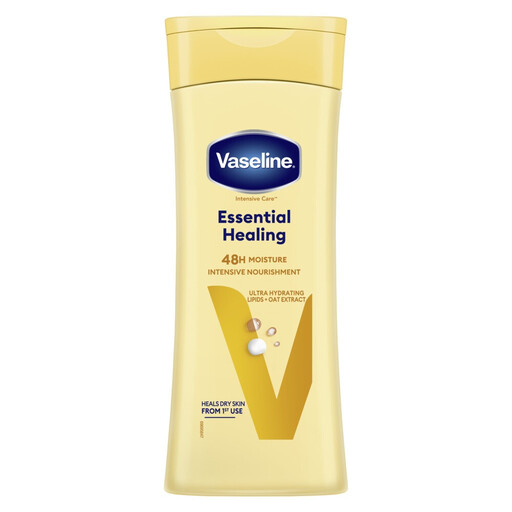
Why it suits this profile: This 400 ml body lotion is intended for dry skin and everyday use on the body. That makes the size practical for families or anyone who uses lotion regularly.
The description mentions quick absorption and non-greasy hydration. However, although the specifications state “unscented”, fragrance also appears in the listed ingredients. Check the packaging carefully.
400 ml, body lotion for dry skin, with ingredients such as glycerine, petrolatum and oat extract according to the product information.
We have compiled a complete, up-to-date list of products that fully meet these strict selection criteria and the applicable European safety regulations.
That depends on the product information and your skin. A body lotion may be richer or contain fragrance. Only use it on your face if the brand states that it is suitable for this area. For the face, a specific face cream or moisturiser is often easier to assess.
Follow the instructions on the packaging. Many lotions are intended for everyday use, for example after showering or on cleansed skin. If you have dry skin, you may need to reapply it. Apply the lotion evenly and wait until it has absorbed before getting dressed.
Check the expiry date, batch information and any period-after-opening symbol on the packaging. Store the product in a cool, dry place away from direct sunlight. If the smell, colour or texture changes, stop using it. Shelf life varies depending on the formula and packaging.
