
Vandaag of morgen in huis

Kwaliteit gegarandeerd

Welkomstaanbiedingen ontgrendelen: GRATIS bezorging | Tot 80% korting | Gratis 30 dagen JoyPlus-proefperiode
Download de app
A moisturising face cream may seem like a simple product, but the range varies widely in texture, ingredients and use. A rich cream can feel pleasant on dry skin, but may feel too heavy on oily skin. A lightweight gel cream can be comfortable during the day, but may not be enough when your skin barrier feels dry or tight.
Marketing terms can also be confusing. Words such as “intensive”, “clean” or “anti-ageing” reveal little about a product’s actual formulation. So pay particular attention to the ingredients list, packaging and directions for use.
A hyaluronic acid cream sounds hydrating, but hyaluronic acid is only one part of a formula. A cream may also contain glycerine, oils, shea butter, silicones or skin-identical lipids. This combination affects how comfortable and nourishing the product feels.
A very rich cream is not automatically the right choice as a moisturiser for dry skin. Consider your daily routine and the season too. A fuller cream can feel pleasant in winter, while in summer you may prefer a lightweight gel texture. For oily or combination skin, a moisturising cream for oily skin is often more comfortable when it absorbs quickly and does not leave a heavy layer behind.
Terms such as “soothing”, “barrier repair” or “anti-ageing face cream” usually describe a brand’s positioning. Do not treat them as medical promises. According to a brand’s own research or product information, certain ingredients may contribute to a particular user experience, but individual skin reactions vary.
A ceramide cream may be worth considering when your skin feels dry and tight. However, check that ceramides are actually listed among the ingredients, and look at the rest of the formula too.
A lightweight gel cream often suits oily, combination or dehydrated skin that does not want a greasy layer. A cream containing shea butter, oil or squalane may be more suitable for dry or mature skin. For make-up, a fast-absorbing formula can be more practical.
Do not compare the price alone; consider the size too. 50, 60, 80 or 100 ml makes a difference to the price per millilitre. Check the shelf-life information on the packaging and follow the stated period after opening. Test a new product on a small area of skin first, especially with a face cream for sensitive skin. Stop using it if irritation persists and avoid applying it to damaged skin.

Why it suits this profile: This Korean skincare cream contains 100 ml and has a gel-cream texture. The formula contains several forms of hyaluronic acid, as well as glycerine, betaine and ceramide NP.
You do not have to rely on just one marketing ingredient: the ingredients list includes several humectants, oils, beta-glucan and ceramide NP.
100 ml; lightweight gel-cream texture; product information states that it is free from ethanol; suitable as a day or night cream according to the description.
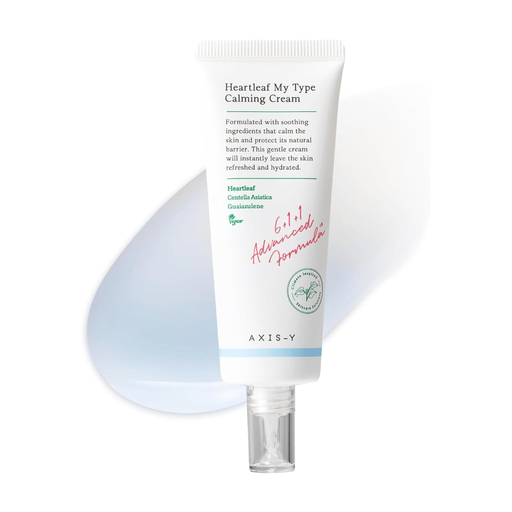
Why it suits this profile: The product description focuses on oily and combination skin. The formula is described as vegan and cruelty-free, without synthetic fragrances, and is intended as a lightweight moisturiser and make-up base.
The lightweight texture and intended use as a make-up base are helpful when a heavy, sticky cream is impractical.
60 ml; designed to support the balance between oil and hydration according to the product information; vegan and cruelty-free according to the brand description.
We have put together a complete, up-to-date list of products that fully meet these strict selection criteria and the applicable European safety regulations.
Apply the cream after cleansing and, if required, after using a toner or serum. Use a small amount on your face and neck, then gently massage or pat it in. During the day, sun protection should be the final step in your routine when you are going outdoors. Always follow the specific directions for use on the packaging.
Shelf life varies from product to product. Check the expiry date and the open-jar symbol showing the period after opening on the packaging. Close the jar or tube securely and store the cream in a cool, dry place away from direct sunlight. If the smell, colour or texture changes, stop using the product.
Look for a short, easy-to-understand ingredients list and watch out for fragrances, essential oils and known allergens. A face cream for sensitive skin is not automatically suitable for everyone. Test a small amount on a limited area of skin first and stop using it if irritation occurs. A formula containing ingredients such as panthenol, allantoin or ceramides may complement a routine focused on comfort and the skin barrier, without guaranteeing a medical effect.
