
Vandaag of morgen in huis

Kwaliteit gegarandeerd

Welkomstaanbiedingen ontgrendelen: GRATIS bezorging | Tot 80% korting | Gratis 30 dagen JoyPlus-proefperiode
Download de app
A moisturising face cream might seem simple to choose, but products vary widely in texture, ingredients and how you use them. A rich cream can feel lovely on dry skin, but too heavy on oily or combination skin. A lightweight gel cream feels fresh, but may not be as comforting when your skin feels tight.
Here are three common pitfalls to avoid:
Don’t just look at the front of the packaging. Ingredients are listed in descending order of concentration, with some exceptions for certain additives. For example, look for:
A long ingredients list doesn’t automatically mean a product is right for you. If you’re choosing a cream for sensitive skin, it’s worth checking carefully for fragrance, essential oils and known allergens.
A lightweight gel cream or watery lotion often suits oily or combination skin, especially for daytime use or under make-up. A richer cream may be a better choice for dry skin, at night or during cold, dry spells.
Think about how much you use, too. A thin layer is usually enough to start with. Applying too much can leave your skin feeling sticky or heavy, whatever your skin type.
Compare the quantity in millilitres or grams, not just the price of the pack. A 100 ml jar might seem better value than a 30 ml tube, but the formula and how much you use each day will determine how long it lasts.
Also check:
Cosmetic products sold in the EU are covered by Regulation (EC) No 1223/2009. This doesn’t mean every formula is suitable for every skin type. Always read the label, and ideally test a new product on a small area of skin first.
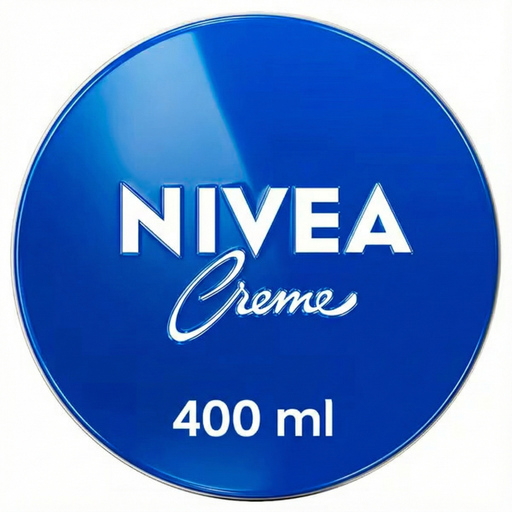
Why it suits this profile: The large pack is ideal if you want to use one cream on your face, hands and body, and keep your routine simple.
The ingredients list is available, so you can check for fragrance and the listed fragrance allergens before you buy.
400 ml; contains glycerine, panthenol and mineral oils, according to the product information.

Why it suits this profile: The gel cream texture is a good fit if you’re after a fresh-feeling formula for morning, evening or under make-up.
The product information describes a fragrance-free, alcohol-free and non-comedogenic formula. Always check the current packaging.
Gel cream; 30 ml; described as suitable for dry, combination and oily skin.
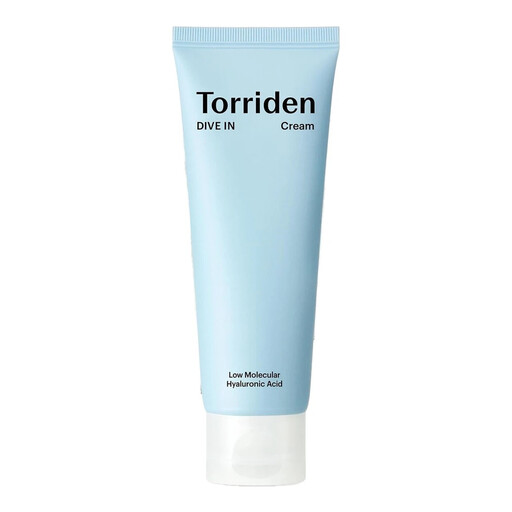
Why it suits this profile: This Korean face cream is aimed at users who want to include several forms of hyaluronic acid in their daily routine.
The product information lists several forms of hyaluronic acid and a lightweight, fast-absorbing texture. Results can vary from one person’s skin to another.
80 ml; contains ceramide NP, glycerine, jojoba oil and various hyaluronic acid derivatives.

Why it suits this profile: The gel texture is a practical choice if you want hydration without a noticeably greasy feel.
The product description highlights a lightweight gel that doesn’t feel sticky. Check the ingredients if you’re sensitive to specific extracts.
100 ml; gel cream with red bean extract, formulated with oily skin in mind.
We’ve put together a full, up-to-date list of products that meet these strict selection criteria and the applicable European safety requirements.
Apply the cream to a cleansed face. Moisturising formulas may feel pleasant on slightly damp skin, but don’t automatically use more product. Smooth a small amount over your face and neck, then gently press it in.
During the day, use sun protection too if your skin will be exposed to the sun. A face cream isn’t a substitute for sun protection. If you experience redness, a burning sensation, itching or swelling, stop using the product and seek advice from a doctor or pharmacist if needed.
Look for a richer formula with glycerine, oils, shea butter, squalane, ceramides or panthenol. Dry skin may feel more comfortable with a cream that not only attracts moisture but also contains emollient and protective ingredients.
It can be, especially if the texture is light rather than heavy. Try a gel cream or lotion, for example, and consider the overall ingredients profile. Hyaluronic acid alone doesn’t determine whether a formula is suitable for oily skin.
Follow the expiry date and period-after-opening guidance on the packaging. Store the cream somewhere cool and dry, away from direct sunlight. Don’t use a product if its smell has changed, it has discoloured or its texture has noticeably altered.
