
Vandaag of morgen in huis

Kwaliteit gegarandeerd

Welkomstaanbiedingen ontgrendelen: GRATIS bezorging | Tot 80% korting | Gratis 30 dagen JoyPlus-proefperiode
Download de app
A moisturising face cream may seem like a straightforward product, but there are big differences in texture, ingredients and how it feels on your skin. A cream that feels comfortable on dry skin may feel heavy on oily or sensitive skin. Marketing claims such as “intense hydration”, “barrier repair” and “100-hour moisture” only tell you so much unless you also check the ingredients list and directions for use.
In this guide, you’ll find out what to look for in a moisturiser, which common pitfalls can lead to a disappointing purchase, and which popular options suit different skin types.
Hyaluronic acid is a popular humectant, but it rarely appears on its own in a formula. How a cream performs also depends on ingredients such as glycerine, oils, silicones, fatty alcohols and, sometimes, ceramides. So a hyaluronic acid cream can have a light, gel-like texture or feel rich and occlusive.
So don’t just look at the front of the packaging. Check the full INCI list and make sure the texture suits your skin and routine.
A face cream for all skin types can be a practical choice, but that doesn’t mean everyone needs to use the same amount or apply it as often. Normal skin can often use a medium-weight cream. Oily skin may prefer a light gel cream, while dry skin may benefit more from a formula containing oils, shea butter or barrier-supporting lipids.
A product description is not a personal skin assessment, either. If you have sensitive skin, test a small amount on a limited area first.
Brands can talk about the benefits of their products, but results vary from person to person. For example, according to Clinique’s own research, Moisture Surge 100H provides up to 100 hours of hydration. This is a brand claim, not a guarantee for every user. Also look for specific features such as fragrance-free, alcohol-free, gel cream, size and ingredients.
These ingredients are often worth looking for in products for everyday use:
A face cream for dry skin often contains more emollient or occlusive ingredients than a gel cream. A light texture may feel more comfortable on combination or oily skin, especially during the day under sun cream or make-up.
Look out for these features:
Compare more than just the price: sizes of 30 ml, 50 ml, 80 ml and 100 ml are not equivalent. Check the use-by date on the packaging and look for the period-after-opening symbol. Isntree, for example, states that the product should be used within six months of opening. Close jars and tubes tightly, and store your cream somewhere dry and cool, away from direct sunlight.

Why it suits this profile: The 100 ml size makes this Korean face cream a good option if you’re looking for an everyday moisturiser without opting for a smaller pack. Its gel-cream texture is designed for dry, normal and mature skin.
The product information lists five forms of hyaluronic acid and states that the formula is ethanol-free. If you have sensitive skin, always check the current ingredients on the packaging.
100 ml size; gel-cream texture; contains panthenol, beta-glucan, ceramide NP and several other moisturising ingredients.

Why it suits this profile: This barrier-repair cream is a good choice if you pay close attention to ingredients such as ceramides, cholesterol, squalane and panthenol rather than relying on a marketing name alone.
The ingredients list lets you check the key choices behind the formula. A patch test is also recommended, which is relevant for a cream intended for sensitive skin.
80 ml size; ceramides NP, NS, AP, AS and EOP; contains cholesterol, squalane, hyaluronic acid and panthenol.
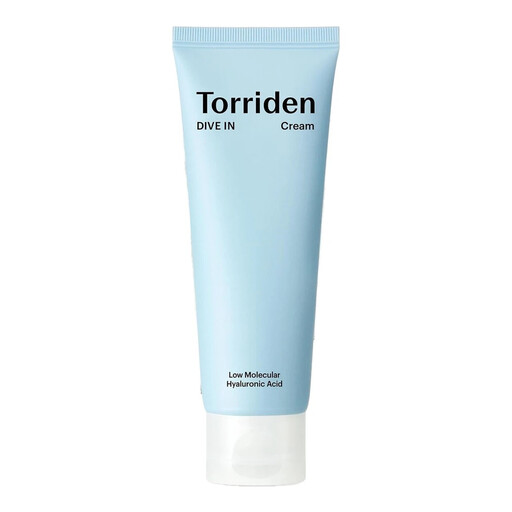
Why it suits this profile: A good option if you’re looking for a moisturising day or night cream with several forms of hyaluronic acid and a texture described in the product information as light and fast-absorbing.
The formula lists more than just hyaluronic acid: it also contains glycerine, beta-glucan, ceramide NP and oils. This lets you assess the formula as a whole rather than focusing on a single ingredient.
80 ml size; several forms of hyaluronic acid; contains jojoba, macadamia and argan oils, plus ceramide NP.
We’ve put together a complete, up-to-date list of products that meet these strict selection criteria and current European safety regulations.
Apply the cream after cleansing and, if you use one, after toner or serum. Use a small amount on slightly damp skin and spread it evenly over your face and neck. In the daytime, apply sun cream as the final step. If you have dry skin, you can apply a second thin layer in the evening; oily skin usually needs less.
Stop using the product if you experience persistent redness, itching, swelling or a burning sensation. Avoid contact with your eyes, and always check the packaging for the latest ingredients and warnings.
Usually once in the morning and once in the evening, if the product instructions say to do so. If you have oily skin, one application or a smaller amount may be enough. Pay attention to how your skin feels after a few minutes: tightness and dryness may mean it needs more moisture, while a greasy film that lingers may indicate that the formula is too rich.
The shelf life is shown on the packaging. Check the expiry date and the open-jar symbol, for example 6M or 12M. This indicates how long the product is intended to be used for after opening. Keep the cream closed, out of direct sunlight, and don’t use it if its smell, colour or texture has clearly changed.
Look for a simple formula and check whether it contains fragrance or known allergens. Products such as The Ceramide Skin Barrier Moisturizer recommend a patch test as a precaution. This is no substitute for personal medical advice, but it can help you introduce a new cream into your routine gradually.
