
Vandaag of morgen in huis

Kwaliteit gegarandeerd

Welkomstaanbiedingen ontgrendelen: GRATIS bezorging | Tot 80% korting | Gratis 30 dagen JoyPlus-proefperiode
Download de app
A moisturising face cream may seem like a simple product, but formulas vary widely in their ingredients, texture and how you use them. A cream that feels comfortable on dry skin may feel heavy on oily or sensitive skin. Marketing terms such as “intensive hydration”, “barrier repair” and “anti-ageing” also mean little on their own without checking the full product information.
So when shopping for a face cream, look beyond the packaging or a popular trend. Pay particular attention to the ingredients, texture, size and directions for use.
A brand might promise long-lasting hydration or plumper-looking skin, for example. Claims like these need to be read in context. According to Clinique’s own research, the Moisture Surge 100H formula can provide up to 100 hours of hydration. That’s a brand claim; it doesn’t automatically mean every user will experience the same results.
Also look for details you can check, such as:
A face cream with hyaluronic acid can attract moisture, but the overall formula determines how the cream feels and how well it stays on your skin. A face cream with ceramides may be worth considering if you want to focus on your skin barrier, but the other ingredients and the texture still matter.
Product ranges from brands including Torriden, Isntree, medicube and Anua feature different forms of hyaluronic acid. Some formulas also list ceramide NP, panthenol, squalane or glycerin. That doesn’t automatically make a formula suitable for every skin type, so always check the ingredients list on the packaging.
A day cream with SPF, such as Eucerin Hyaluron-Filler + elasticity rosé day cream SPF30, combines facial skincare with sun protection, according to the product description. The directions say to apply generously before sun exposure and reapply regularly. However, a regular moisturising face cream doesn’t always contain SPF.
For longer periods in the sun, a separate sun protection product may be more practical. According to the safety information provided, no SPF product offers complete protection. Also avoid direct contact with the eyes and follow the directions on the packaging.
When choosing a cream for dry skin, look for a combination of humectants and emollient ingredients. Common examples include:
The order of ingredients gives you an indication of how much of each is in the formula, but it doesn’t tell the whole story about how the product works. So read brand claims about repair, elasticity or a more youthful appearance as product information from the brand, not as a guaranteed result.
A gel cream for the face usually feels light and fresh. This can be pleasant for normal, combination or oily skin, or under make-up. A richer cream may suit dry skin better, especially in the evening or in cold, windy weather.
Look out for these differences:
A product for sensitive skin isn’t automatically free from potential irritants. Check for fragrance, alcohol and plant extracts if you’ve reacted to them before. It may be worth patch-testing the product on a small area of skin.
A 100 ml jar or bottle may seem like good value, but only if the texture and shelf life work for your routine. Check the expiry or PAO information on the packaging. Once opened, use the product within the period shown.
A day and night cream can be handy if you want to use the same basic formula twice a day. A product with SPF generally belongs in your morning routine. Apply your cream after cleansing and using any serums. Start with a small amount and only use more if it feels comfortable on your skin.

Why it suits this profile: The gel cream texture is easy to use in a morning and evening routine and, according to the product information, is suitable for dry, very dry, combination and oily skin.
The product information describes an alcohol-free, fragrance-free and non-comedogenic formula. Check the current packaging if you’re sensitive to particular ingredients.
30 ml gel cream, which can be used on its own, under make-up or as a short-term mask, according to the product description.
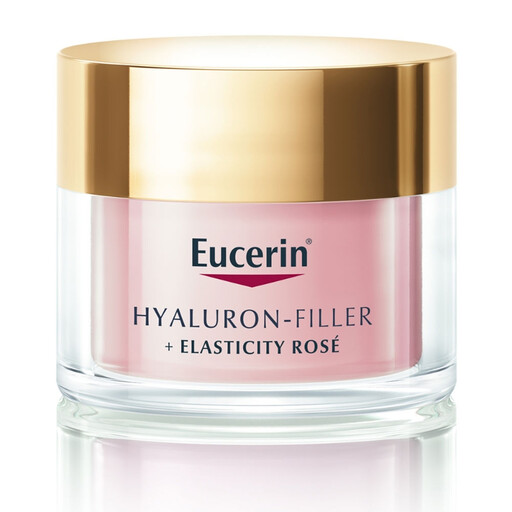
Why it suits this profile: A good match for anyone looking for a day cream with hyaluronic acid, a rosy tint and SPF30 in one product.
The SPF is clearly stated in the product name. Sun protection doesn’t automatically replace reapplication or other sun safety measures.
50 ml day cream; the product description mentions Thiamidol, a Collagen Elastin Complex and a rosy tint.

Why it suits this profile: Worth considering if you’re looking for a large pack and a formula with panthenol, ceramides, glycerin and hyaluronic acid.
The ingredients list is provided in detail, so you don’t have to rely solely on the term “barrier-repair cream”. Check the packaging for any changes.
100 ml; the list includes ceramide NP, ceramide EOP, ceramide AP, panthenol and sodium hyaluronate, among other ingredients.
We’ve put together a complete, up-to-date list of products that meet these strict selection criteria and the applicable European safety regulations.
Most moisturising face creams are designed for morning, evening or both. Apply the cream to a cleansed face and follow the product instructions. If you have oily or combination skin, a thinner layer may be enough; dry skin may sometimes feel more comfortable with a richer layer in the evening.
It varies by product. Check the period-after-opening symbol and expiry information on the packaging. Some product information, for example, says to use the product within six months of opening. Store your cream in a cool, dry place away from direct sunlight, and close the packaging securely after use.
That depends on the formula and your individual sensitivities. Ideally, choose a product with a clearly available ingredients list and check for fragrance, alcohol and known allergens. Test a new cream for sensitive skin on a small area first. Stop using it if you experience redness, itching, swelling or a burning sensation. If symptoms persist, ask a doctor or dermatologist for advice.
