
Vandaag of morgen in huis

Kwaliteit gegarandeerd

Welkomstaanbiedingen ontgrendelen: GRATIS bezorging | Tot 80% korting | Gratis 30 dagen JoyPlus-proefperiode
Download de app
A moisturising face cream may seem simple to choose, until you are faced with a shelf or online product page featuring dozens of formulas. One cream promises 72 hours of hydration, while another describes itself as a Korean face cream containing several types of hyaluronic acid. However, a striking claim does not automatically mean that the texture, ingredients and amount are right for your skin.
Pay particular attention to these common pitfalls:
With a moisturising face cream, the overall formula is more important than a single trendy ingredient.
According to the brands’ own product information, Clinique, Isntree, Beauty of Joseon and Dr. Althea, among others, contain ingredients such as hyaluronic acid, glycerine, ceramides or niacinamide. Always check the ingredients list on the packaging, as formulations may change.
A face cream for dry or very dry skin often has a richer cream base containing oils, butters or occlusive ingredients. This can feel particularly pleasant in the evening or during a cold, dry Dutch winter.
For combination or oily skin, a light gel cream is often a better fit. A watery gel will generally absorb more quickly and may feel more comfortable under make-up. However, bear in mind that “gel” does not always mean the formula is free from oils or silicones.
If you have sensitive skin, do not look only for the term face cream for sensitive skin. Also check whether it contains fragrance, essential oils, alcohol or exfoliating acids. A fragrance-free face cream may be a sensible first choice, but still patch-test any new product on a small area of skin.
Do not compare only the price of a jar. A 30 ml pack may cost more per millilitre than a 50 or 100 ml version. Also check:
A product described as an anti-ageing face cream should not be judged on its promise alone. According to a brand’s own research or product information, a formula may, for example, make the skin look smoother or firmer; this is not a guaranteed result for every user.
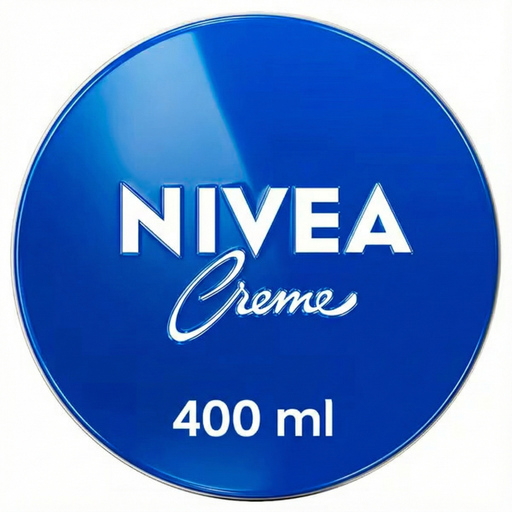
Why it suits this profile: The large pack is intended for the face and body, making it practical if you want to use one cream on several dry areas.
The product information clearly states the size, uses and ingredients. Bear in mind that the formula contains fragrance and fragrance allergens, so it is not an obvious first choice if you are sensitive to fragrance.
400 ml; suitable for the face and body; contains glycerine, panthenol and mineral oils according to the listed ingredients.
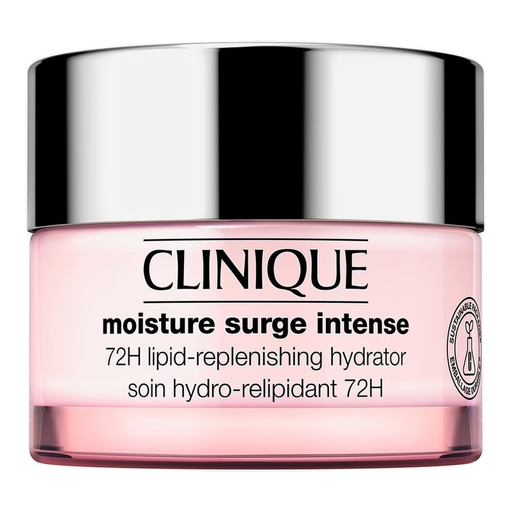
Why it suits this profile: The cream-gel texture is designed for dry and very dry skin and, according to the product description, can also be worn under make-up or used as a short mask.
The formula lists ingredients including glycerine, squalane, sodium hyaluronate and petrolatum. The 72-hour claim comes from Clinique’s product information and should not be read as a personally guaranteed result.
50 ml; fragrance-free according to the product label; contains humectants and lipid-focused ingredients.
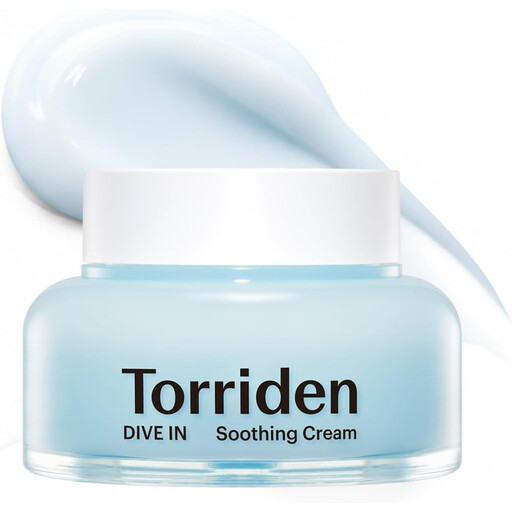
Why it suits this profile: The gel-like texture and five forms of hyaluronic acid appeal to shoppers looking for a Korean face cream that absorbs quickly and does not feel sticky.
The product information mentions the texture, the number of hyaluronic acid forms and the absence of several substances. The “non-irritating” claim comes from the brand’s clinical tests; if you have sensitive skin, still check the ingredients first.
100 ml; gel texture; five types of hyaluronic acid according to the product description; designed to hydrate and feel comfortable to apply.
We have put together a complete, up-to-date list of products that fully meet these strict selection criteria and the applicable European safety regulations.
Apply the cream to clean skin. Slightly damp skin can feel comfortable when using humectants such as glycerine or hyaluronic acid. Use a small amount and only apply more if your skin needs it. During the day, separate sun protection should be part of a complete routine, particularly if you also use acids or retinoids.
For dry skin, you can use a richer cream for dry skin in the evening and a lighter version during the day. Oily or combination skin may benefit from a gel cream, but watch out for tightness: a formula that is too light may mean you need to reapply it.
Look for a cream containing both humectants and occlusive ingredients, such as glycerine, hyaluronic acid, squalane, shea butter or silicones. A rich texture is not automatically more suitable; comfort and the absence of tightness are useful practical indicators.
It can be, but this depends on the complete formulation. A hyaluronic acid cream with a light gel base may suit combination or oily skin, while a formula containing oils or butters may feel more comfortable on dry skin. If you have sensitive skin, always check the complete ingredients list.
Follow the expiry date and the open-jar symbol on the packaging. Store the cream in a cool, dry place away from direct sunlight, and close the packaging after use. Has the fragrance, colour or texture changed? Stop using it and check the product information.
