
Vandaag of morgen in huis

Kwaliteit gegarandeerd

Welkomstaanbiedingen ontgrendelen: GRATIS bezorging | Tot 80% korting | Gratis 30 dagen JoyPlus-proefperiode
Download de app
A dry, tight or dull complexion doesn’t automatically call for a rich cream. Oily or sensitive skin can also lack moisture. The right moisturising face cream should therefore suit your skin type, your daily routine and the ingredients you want to use.
Marketing can make comparisons tricky. Terms such as “24-hour hydration”, “anti-ageing” or “glass skin” say little on their own about the formula. Focus instead on the ingredients list, the texture and the directions for use.
A product packed with plant extracts, vitamins and actives isn’t necessarily more suitable. If your skin is sensitive, multiple fragrance components, essential oils or exfoliating ingredients can feel uncomfortable. Check whether a face cream for sensitive skin is fragrance-free and which active ingredients appear near the top of the list.
A facial lotion is usually thinner and more fluid than a classic cream. That makes it a good fit for normal, combination or oily skin, but dry skin may need an additional occlusive cream. A gel-cream feels lightweight and often sits well under make-up. A richer cream typically contains more emollients or occlusives.
An anti-ageing face cream can include ingredients that help skin feel supple, such as glycerine, niacinamide, hyaluronic acid or peptides. That doesn’t automatically mean fine lines will disappear. According to Olay’s own research, certain products report results after one or fourteen days; these are brand claims and not a guarantee for every user.
With a brightening face cream, daily sun protection is at least as important as the cream itself. Products with vitamin C, fruit extracts or acids can, according to the product information, increase sensitivity to sunlight. Use a suitable SPF during the day.
Glycerine, betaine, trehalose and hyaluronic acid are humectants. They can help skin feel more comfortable. Ceramides, fatty acids, cholesterol, dimethicone and squalane are often used in formulas that aim to support the skin barrier.
Note the wording: “strengthen the skin barrier” is product positioning, not a medical treatment. If redness, swelling, itching or irritation persist, stop use and seek advice from a doctor or dermatologist.
Always check:
A larger size isn’t automatically better value if the texture doesn’t suit your skin. A smaller pack can be more convenient for trying a formula at your own pace.
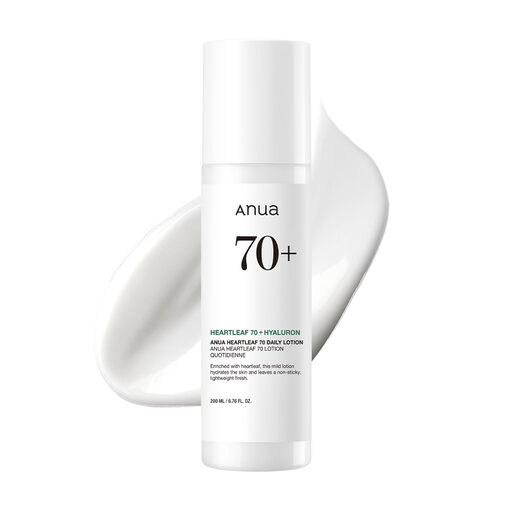
Why it suits this profile: The pack contains 200 ml and, according to the product information, the lotion is intended for daily use morning and evening. The lightweight lotion can also be worn under make-up.
The product information states a fragrance- and colourant-free formula with a non-comedogenic composition. If your skin is sensitive, still check the full ingredients list.
200 ml size; glycerine, betaine and multiple forms of hyaluronic acid appear in the stated ingredients list.

Why it suits this profile: According to the product details, this gel-cream suits dry, very dry, combination and oily skin. The 30 ml size is handy if you want to try a refined texture.
The product information explicitly mentions a fragrance-free, alcohol-free and non-comedogenic formula. The up-to-100-hour hydration claim comes from Clinique and should be read as a brand claim.
Gel texture; listed in the product specifications as fragrance-free, alcohol-free, paraben-free and non-comedogenic.
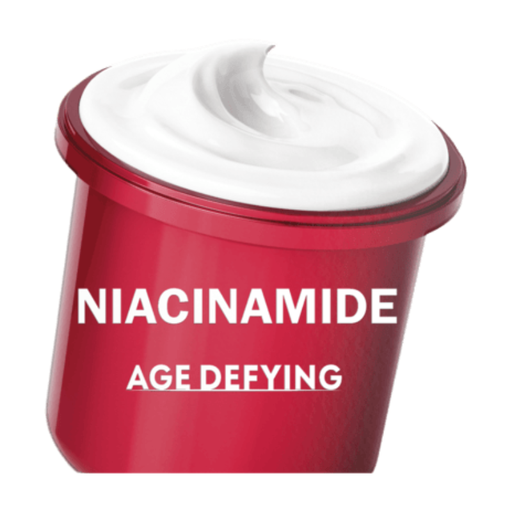
Why it suits this profile: This day cream combines hydration, niacinamide and SPF 30 in one product. It fits a morning routine where you want fewer separate steps.
The SPF rating is clearly stated in the product name. Do pay attention to how much you apply and how often you reapply; a day cream does not always replace a dedicated sunscreen.
SPF 30; 50 ml refill; niacinamide and vitamin E are listed in the product information.
Cleanse your face gently and apply the cream to clean skin. You’ll usually use a facial lotion before a cream; follow the order shown on the packaging. Use SPF during the day when you add active ingredients such as vitamin C, fruit extracts or acids.
If your skin is sensitive, first test a small amount on a limited area. Don’t introduce several new products at once. That way, you’ll see more clearly what feels good and avoid unnecessary chopping and changing.
We’ve compiled a complete, up-to-date list of products that fully meet these strict selection criteria and current European safety regulations.
A facial lotion is usually thinner and often contains more water-based components. A cream is generally richer and can help lock in moisture for longer. You can combine both if your skin likes a light lotion first and then some extra comfort.
That depends on the size, how much you use and whether you apply it once or twice a day. Always check the shelf-life information and the period after opening on the packaging. Store the cream in a cool, dry place away from direct sunlight.
A separate sunscreen is needed only when the day cream you use doesn’t include a suitable SPF to complete your routine. Even with a cream that contains SPF, protection depends on applying enough and reapplying as directed on the packaging.
