
Vandaag of morgen in huis

Kwaliteit gegarandeerd

Welkomstaanbiedingen ontgrendelen: GRATIS bezorging | Tot 80% korting | Gratis 30 dagen JoyPlus-proefperiode
Download de app
A tight feeling after cleansing, flaky areas around the nose and rough skin that quickly looks red: a moisturising face cream for dry and sensitive skin needs to do more than simply feel pleasant. However, it can be difficult to distinguish marketing claims from practical product information.
Pay particular attention to these three common pitfalls:
The right choice therefore depends on your skin condition, the ingredients list, the finish and how you plan to use the cream every day.
A good moisturiser usually combines several types of ingredients:
Pay attention to where an ingredient appears in the INCI list. If glycerine or another humectant is listed relatively early, it is present in a meaningful amount in the formula. However, the exact effect varies from product to product and from one person’s skin to another.
For a cream for sensitive skin, fragrance is an important factor to check. Fragrance ingredients such as limonene, linalool, geraniol and essential oils are often listed separately in the ingredients list. This does not automatically mean that a product is unsuitable, but it is a good reason to try a small amount first.
According to the product description, the Pyunkang Yul Nutrition Cream is described as fragrance-free. The Dear, Klairs Rich Moist Soothing Cream, on the other hand, contains several essential oils, including lemon, lavender and eucalyptus oil. If you have sensitive skin, it is therefore sensible not to rely solely on words such as “soothing” or “calming”, but to check the full ingredients list.
A rich, nourishing face cream can feel comfortable during a cold Dutch winter or as part of your night-time skincare routine. During the day, beneath sun cream or make-up, a lighter gel cream may be more practical.
A hyaluronic acid cream generally feels most comfortable when applied to slightly damp skin and then sealed in with a cream. During the day, also use a separate sunscreen if this fits your routine.
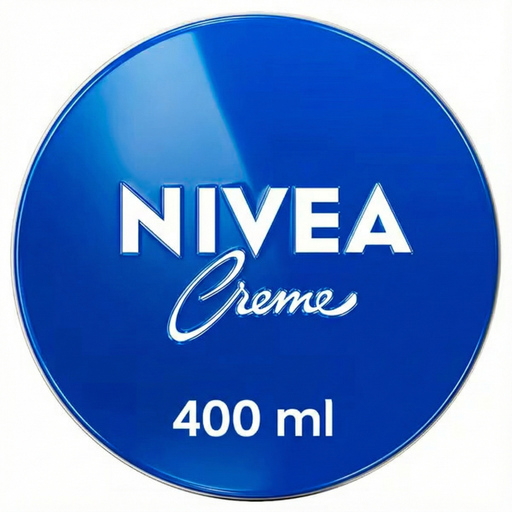
Why it suits this profile: A generously sized pack for anyone looking for one versatile cream for the face, hands and body. The texture is rich and suitable for dry areas.
The ingredients list can be checked and includes glycerine and panthenol. However, bear in mind that it contains fragrance and fragrance ingredients such as limonene and geraniol.
400 ml; suitable for the face and body according to the product information; contains glycerine and panthenol.
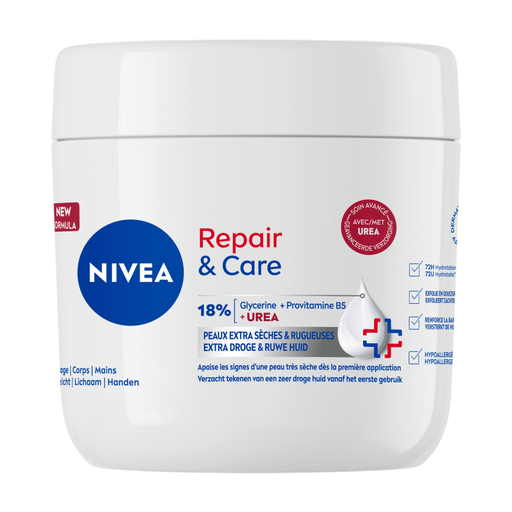
Why it suits this profile: Designed for very dry and rough areas, particularly if you are looking for one generously sized body cream for general and targeted use.
The product description clearly states that it contains 18% glycerine, urea and provitamin B5. This is officially a body cream, so first check whether using it on your face is suitable for you.
400 ml; urea, glycerine and panthenol; according to NIVEA’s own research, 41 volunteers reported up to 72 hours of moisturisation after two weeks of use.
Apply a new nourishing face cream to a small area of skin for two to three days first. Then use a small amount on a cleansed face. More cream does not automatically mean greater comfort; a thin, even layer is often enough.
Also consider how it works with your other products. An exfoliant, retinol product or heavily fragranced toner can make your routine unnecessarily harsh. If redness, swelling, itching or a burning sensation persists, stop using the product and seek medical advice.
A pot or tube remains suitable for use until the expiry information on the packaging or the period after opening has elapsed. Keep the cream closed, dry and out of direct sunlight. When buying online, also check the contents, packaging, ingredients and responsible manufacturer.
We have put together a complete, up-to-date list of products that fully meet these strict selection criteria and the applicable European safety regulations.
Look for a formula containing humectants such as glycerine or hyaluronic acid, along with barrier-supporting ingredients such as ceramides, cholesterol and panthenol. Avoid any ingredients that have caused irritation for you in the past. A soothing face cream is not necessarily fragrance-free, so always check the INCI list.
Some people can, but it is not automatically the right choice. Body creams may be richer or contain fragrance. According to the product information, NIVEA Repair & Care Urea Body Cream is intended as a body cream. Therefore, only use it on your face if the packaging permits this and your skin reacts well.
For most routines, once in the morning and once in the evening after cleansing is sufficient. If your skin feels tight, you can reapply to specific areas. During the day, add sunscreen as the final step. One consistent routine is usually more practical than constantly combining new products.
