
Vandaag of morgen in huis

Kwaliteit gegarandeerd

Welkomstaanbiedingen ontgrendelen: GRATIS bezorging | Tot 80% korting | Gratis 30 dagen JoyPlus-proefperiode
Download de app
A moisturising face cream may seem like a simple product, but the options vary considerably in texture, ingredients and use. A gel cream can feel comfortable on oily skin, while dry skin may benefit more from a richer formula containing oils or skin-conditioning ingredients. If you focus only on terms such as “intensive”, “glow” or “72-hour hydration”, you may end up paying for a promise that does not really suit your skin.
As a Joybuy Product Recommendation Officer, I cut through marketing language and focus on verifiable product information. This helps you compare facial moisturisers practically and avoid an unsuitable purchase.
Terms such as “barrier-repairing”, “anti-ageing” or “deep hydration” sound clear, but they do not say much on their own. Always check the ingredients list and product details. Glycerine, hyaluronic acid, panthenol, squalane, ceramides and certain oils may tell you something about the formula, but they do not automatically predict an individual result.
When a brand makes a claim, such as a visibly soothing or firming effect, read it as a statement from the manufacturer. Based on the brand’s own research or product information, a formula may support a particular effect; it is not a guarantee for every user.
A rich face cream for dry skin may feel comfortable, but it can be too heavy for oily or combination skin. Conversely, a lightweight gel cream may not provide enough comfort for dry skin, particularly in winter or in rooms with dry air.
As well as your skin type, consider your routine:
A product marketed as suitable for all skin types may be a useful compromise, but it is not necessarily the right choice for your specific needs. Always check the full INCI list on the packaging. Product formulas can change, so the current packaging takes precedence.
Hyaluronic acid comes in various forms, such as sodium hyaluronate or hydrolyzed hyaluronic acid. Niacinamide is often used in formulas designed to promote a more even-looking complexion and support your skincare routine. Ceramides and lipids are suitable for consumers primarily looking for comfort and a nourishing feel.
A Korean face cream often contains several hydrating ingredients and plant extracts. That does not automatically make the formula better or gentler. If your skin is prone to sensitivity, it is wise to try a small amount on a limited area of skin first.
A gel cream generally feels lightweight and can work well under make-up. A cream containing shea butter, squalane or mineral oils usually feels richer. Also consider the finish: some formulas leave a glossy, so-called dewy appearance, while others absorb quickly and are less noticeable on the skin.
Compare the contents in millilitres or grams and check the recommended amount. A 100 ml jar may seem like good value, but only if the texture is pleasant enough for daily use. With a jar, good hygiene is important: use clean hands or a spatula and close the packaging securely.
Apply a moisturising day cream after cleansing. During the day, a separate sunscreen is part of a complete routine. Stop using the product if irritation occurs and avoid contact with the eyes.
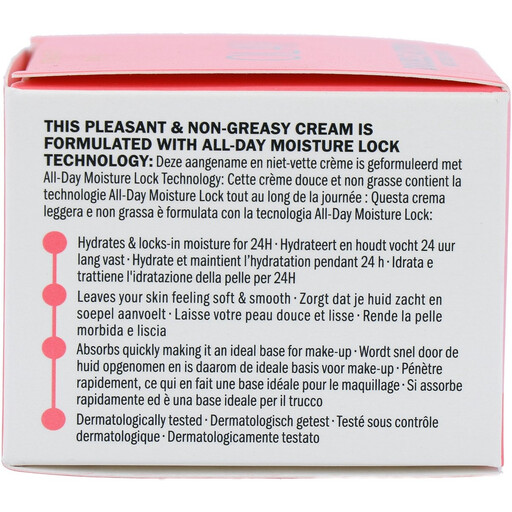
Why it suits this profile: The lightweight formula is designed for normal to dry skin and, according to the product description, can also be used as a base under make-up.
The product information clearly states the skin type, application and use, so you do not have to rely solely on a general hydration claim.
50 ml; lightweight texture; designed for daily use and as a make-up base.
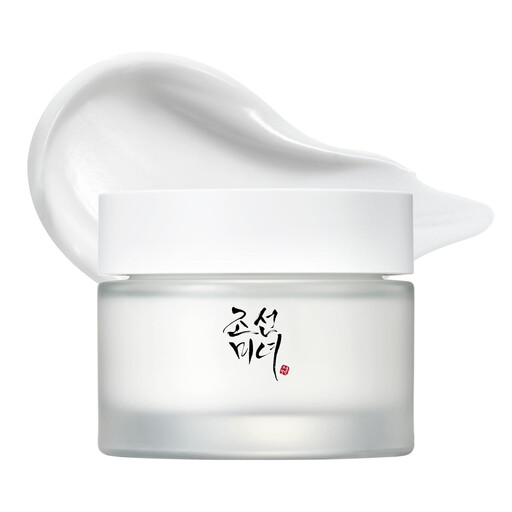
Why it suits this profile: Fans of Korean skincare get a creamy formula with rice extract, ginseng water, niacinamide and sodium hyaluronate.
The listed ingredients can be verified in the product information. Do not expect guaranteed skin improvements based on the product’s appearance or name.
50 ml; fragrance-free according to the product details; creamy formula with niacinamide and hyaluronic acid.
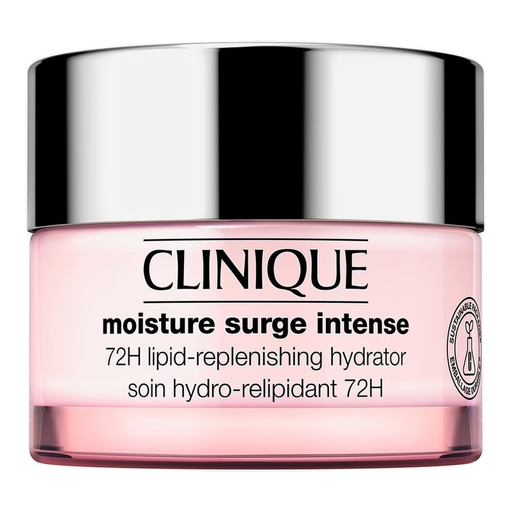
Why it suits this profile: According to the product information, this gel cream is designed for dry to very dry skin and can also be used as a mask or for extra care.
The product description states when to use it, the intended skin type and that it is fragrance-free; check the current packaging for the complete INCI list.
50 ml; gel cream; contains glycerine, squalane and sodium hyaluronate; suitable for use under make-up.
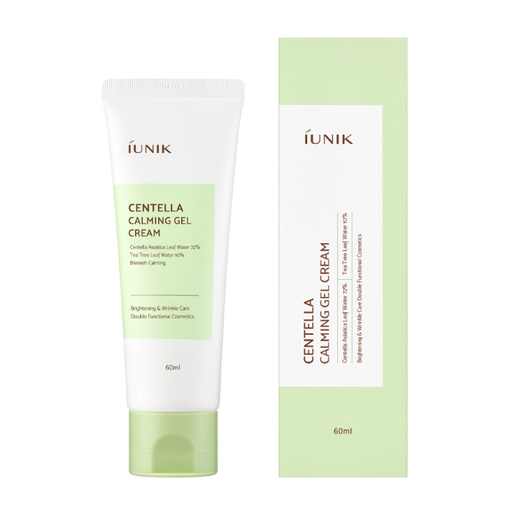
Why it suits this profile: According to the product information, the lightweight gel texture is designed for oily, combination, sensitive or blemish-prone skin.
The formula is not judged solely on a hydration claim: the texture, ingredients and target audience are listed separately.
60 ml; fast-absorbing gel cream; contains centella, tea tree extract and niacinamide according to the product description.
We have put together a complete, up-to-date list of products that fully meet these strict selection criteria and the applicable European safety regulations.
Look for a richer formula containing glycerine, squalane, shea butter, panthenol or ceramides. A face cream for dry skin does not automatically have to feel heavy; try to match the texture to the season and your personal preference. If problems persist or you experience severe irritation, it is wiser to seek advice from a doctor or dermatologist than to keep trying different cosmetic products.
In most cases, applying it after cleansing in the morning and evening is sufficient, but always follow the instructions on the packaging. Also use sun protection during the day. When trying a new product, start with a small amount and pay attention to how your skin reacts.
Check the expiry date, batch number and the symbol indicating the period after opening on the packaging. Store the cream in a cool, dry place away from direct sunlight and close the jar securely. Has the smell, colour or texture changed? Do not use the product. If you are searching for the “best face cream”, compare the contents, ingredients, skin type, texture and cost per use rather than focusing solely on the marketing claim.
