
Vandaag of morgen in huis

Kwaliteit gegarandeerd

Welkomstaanbiedingen ontgrendelen: GRATIS bezorging | Tot 80% korting | Gratis 30 dagen JoyPlus-proefperiode
Download de app
A tight feeling after cleansing, dry patches around the nose or sensitive skin that reacts quickly: a moisturising face cream can be a useful addition to your daily routine. However, a high price or promising packaging does not guarantee that a formula will suit your skin.
The key differences often come down to texture, ingredients, fragrance and when you use it. Below, you’ll find what to look out for and which products suit different skin needs.
Words such as “48-hour hydration”, “repairing” or “nourishing” do not automatically describe how a cream will feel on your skin. According to some brands’ product descriptions, these are their own product claims. Treat them as an indication and also check the ingredients, texture and instructions for use.
A cream for dry skin often contains a combination of humectants and emollient ingredients. Glycerine and hyaluronic acid help the skin retain moisture, while shea butter, oils, silicones and other richer ingredients can create a comfortable layer on the skin.
A pleasant scent can make your skincare routine more enjoyable, but fragrance is not suitable for everyone. For a cream for sensitive skin, a fragrance-free formula is often a sensible first choice. Also check for fragrance ingredients such as limonene, linalool and geraniol.
A product containing essential oils or plant extracts is not automatically unsuitable, but reactive skin calls for extra care. Test a new cream on a small area of skin first and stop using it if redness, itching or irritation persists.
An anti-ageing face cream is often associated with mature skin, but age alone does not determine what skincare you need. Dryness, a weakened skin barrier and a preference for a rich or lightweight texture are usually more relevant.
According to brands’ product descriptions, ingredients such as niacinamide, ceramides, panthenol, bakuchiol and hyaluronic acid can support the desired skincare benefits. This information does not guarantee a particular result. Above all, check whether the formula suits your skin and routine.
Look for a combination of:
The order of the ingredients provides a general indication of their quantity, but it does not tell you everything about the final effect or concentration.
A lightweight cream can feel comfortable under sun cream or make-up. A rich balm is more suitable for the evening, colder months or skin that quickly feels dry. A night cream can have a fuller texture, but it should still feel comfortable and not remain unpleasantly sticky.
Apply cream to a cleansed face and follow the instructions on the packaging. During the day, separate sun protection is important when your skin is exposed to UV radiation; an ordinary moisturising face cream does not automatically replace a sun protection product.
A 50 ml jar, tube or pump dispenser can affect ease of use and hygiene. A pump dispenser, such as the one used for the Payot balm, means you do not have to put your fingers into the packaging each time. Also check the expiry date and the period after opening shown on the label.
For sensitive or dry skin, “dermatologically tested” is a product detail, not a guarantee that everyone will tolerate the cream. According to NIVEA’s product information, certain formulas have been dermatologically tested; nevertheless, always check the full ingredients list.
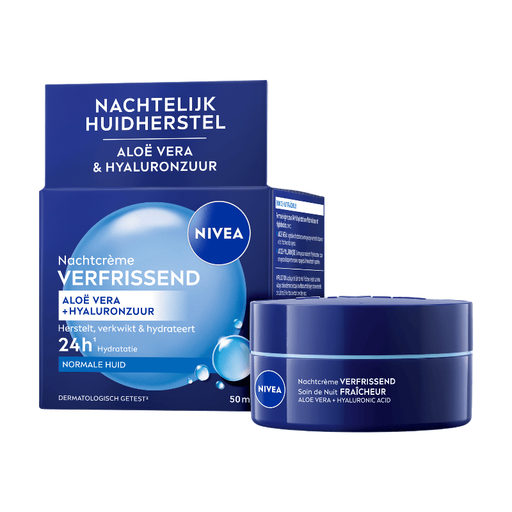
Why it suits this profile: This night cream is a straightforward choice for anyone looking for a simple evening routine. The product description mentions aloe vera, hyaluronic acid and a lightweight texture that absorbs quickly.
The ingredients list makes it clear that this is a fragranced moisturising night cream. This prevents you from automatically interpreting “mild” as fragrance-free.
50 ml; the formula contains glycerine, aloe vera, panthenol and sodium hyaluronate; suitable for evening use.
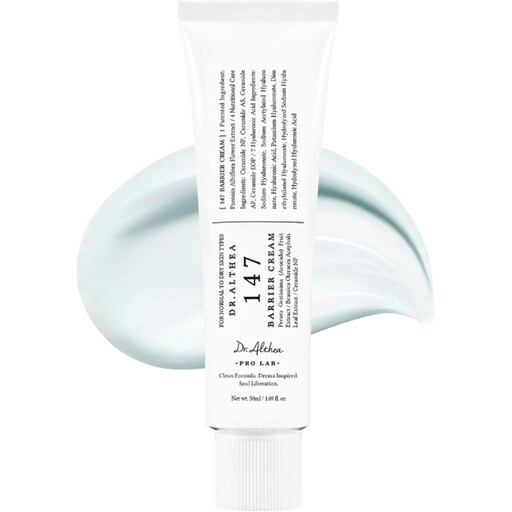
Why it suits this profile: If you are specifically looking for a barrier-repair cream, you can compare this formula based on its listed ceramides, seven types of hyaluronic acid and vitamin E.
You do not have to rely solely on a claim about “glow” or comfort: the product information lists specific ingredient groups that you can check yourself on the packaging.
50 ml; ceramides and seven types of hyaluronic acid according to the product description; guaiazulene and vitamin E are also listed.
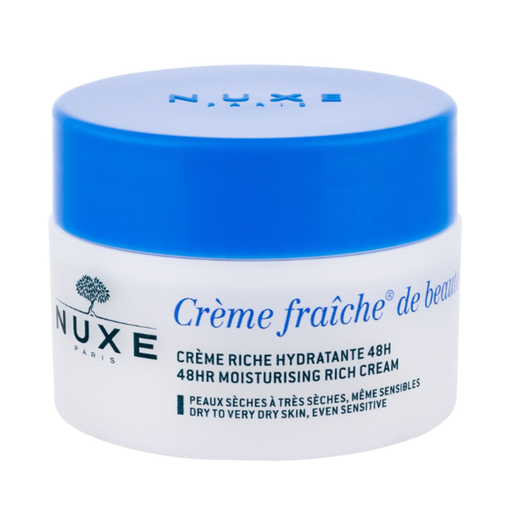
Why it suits this profile: This rich face cream is designed for dry to very dry skin and may be particularly suitable during cold, dry periods or as part of an evening skincare routine.
The rich texture is clearly stated. This helps you judge whether the cream is less suitable if you are looking only for an ultra-light day cream.
50 ml; shea butter and macadamia seed oil according to the product information; designed for dry to very dry skin.
We have compiled a complete, up-to-date list of products that fully meet these strict selection criteria and the applicable European safety regulations.
Use the cream after cleansing, on dry or slightly damp skin. Apply a small amount to your face and neck, then gently massage it in. A richer moisturising balm can be used mainly in the evening. Do not automatically apply more product; a thin, even layer is usually sufficient.
Check the expiry date and the open-jar symbol showing the period after opening on the packaging. Store the cream according to the instructions, usually at room temperature and away from direct sunlight. A change in scent, colour or texture may be a reason to stop using the product.
Choose a formula with a limited ingredients list and look out for fragrance, essential oils and known fragrance allergens. A fragrance-free soothing cream can be a practical starting point. Introduce one new product at a time so that you can better assess how your skin reacts. If symptoms persist or are severe, seeking advice from a doctor or pharmacist is wiser than continuing to switch between creams.
