
Vandaag of morgen in huis

Kwaliteit gegarandeerd

Welkomstaanbiedingen ontgrendelen: GRATIS bezorging | Tot 80% korting | Gratis 30 dagen JoyPlus-proefperiode
Download de app
A moisturising cream might seem straightforward to choose, but there’s plenty of choice. Are you looking for a lightweight day cream for your face, a rich cream for dry skin or a Korean skincare cream with hyaluronic acid? It’s easy to be drawn to bold claims, luxurious packaging or ingredients that sound promising.
But you could end up with a cream that feels too heavy, pills under make-up or simply doesn’t feel comfortable enough. Use these practical pointers to compare moisturising creams based on information you can check, such as skin type, texture, ingredients and size.
Hyaluronic acid, niacinamide, ceramides and plant extracts are often given a prominent place on the packaging. But an ingredient’s presence doesn’t automatically tell you how your skin will respond to the full formula. Check the rest of the ingredients list and the texture, too.
For example, a hyaluronic acid cream may feel good on dehydrated skin, while a cream containing oils and butters may feel more suitable for dry skin. These meet different skin needs: adding moisture isn’t the same as providing a richer protective layer.
Body creams often come in larger packs and may have a richer texture. That can feel uncomfortable on your face, especially if you have combination or oily skin. So always check the stated area of use.
A cream for all skin types sounds convenient, but personal preference still matters. For example, sensitive skin may not respond well to fragrance, while someone with normal skin may enjoy a scented formula.
Claims such as ‘long-lasting hydration’, ‘radiant skin’ or ‘improved elasticity’ should be read as information from the product description. A brand may have established these results through its own testing under specific conditions, so don’t take them as a guaranteed result for every user.
Also check any warnings, the period after opening and whether the cream contains fragrance. If you’re quick to react to new cosmetics, it’s a good idea to patch test on a small area of skin.
Choose based on how your skin feels and how you want to use the cream:
A daytime moisturising cream should sit comfortably under sun protection and make-up. An evening or night cream can feel richer, as long as it doesn’t become uncomfortable.
Glycerine, betaine and different forms of hyaluronic acid are often used in moisturising creams. Ceramides, oils and butters are more common in richer formulas. Check the ingredients list on the packaging, as formulations can vary between markets and product versions.
Take extra care with products containing exfoliating acids, such as AHAs or salicylic acid, and follow the usage instructions. For example, Garnier states that its formula contains salicylic acid and advises avoiding the eye area. If the product information warns that your skin may be more sensitive to the sun, use suitable sun protection during the day.
Compare the size as well as the price:
Start with a small amount and add more if needed. Using more cream doesn’t automatically mean greater comfort or a better experience.
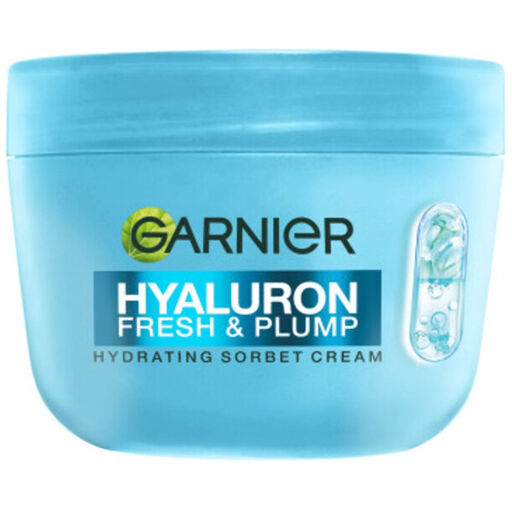
Why it suits this profile: The 85 ml pack and lightweight sorbet texture make this an approachable choice if you’d like to try a daily face cream.
The product information lists the ingredients, including glycerine, niacinamide, sodium hyaluronate, fragrance and salicylic acid. This lets you check in advance whether the formula suits your preferences.
85 ml; lightweight sorbet cream; use after serum on a cleansed face, following the product instructions.

Why it suits this profile: According to the product information, this gel cream is suitable for dry, very dry, combination and oily skin. It can also be worn under make-up.
The formula is described as alcohol-free, fragrance-free, paraben-free and non-comedogenic. Check the current packaging if these properties are important to you.
30 ml; gel cream; suitable for morning and evening; the product description also says it can be used as a short-contact mask.
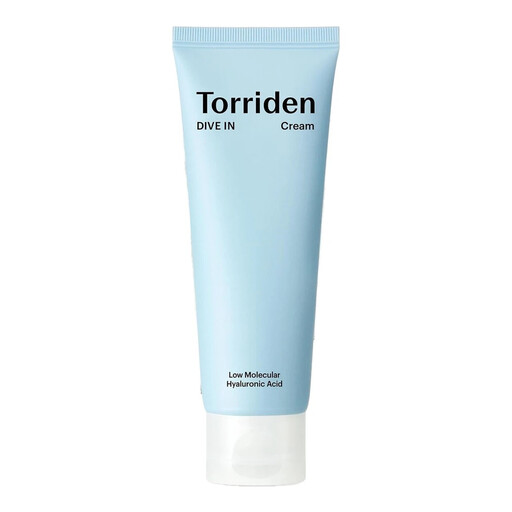
Why it suits this profile: This Korean skincare cream combines a lightweight texture with several forms of hyaluronic acid. According to the product information, it’s designed for all skin types.
The detailed ingredients list lets you check for ceramide NP, jojoba oil, macadamia oil and several forms of hyaluronic acid.
80 ml; described as hypoallergenic in the product information; designed as the final step in your skincare routine.
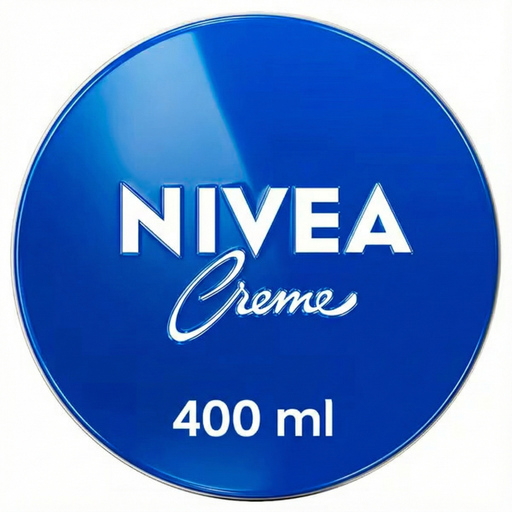
Why it suits this profile: The large pack is practical if you regularly use one rich cream to care for your face, hands and body.
The ingredients list includes glycerine, panthenol, lanolin alcohol and fragrance. If you’re sensitive to fragrance, you can take this into account before choosing.
400 ml; suitable for face and body according to the product information; contains panthenol.
We’ve put together a full, up-to-date list of products that meet these strict selection criteria and the applicable European safety regulations.
Apply a face cream after cleansing and, if you use one, after serum. A small amount is usually enough. Spread it evenly over your face and neck, then gently pat it in. During the day, use a sun protection product that fits your routine; a moisturising cream doesn’t replace sun protection unless the label specifically says it does.
If you have dry skin, applying cream after a shower may feel comfortable, while your skin is still slightly damp. Stop using the cream if you experience redness, itching, swelling or a burning sensation. If symptoms persist, consult a doctor or pharmacist.
It depends on the formula and what your skin needs. Many face creams are designed for morning and evening use. Always follow the instructions on the packaging. You can reapply body cream whenever your skin feels dry.
Not always. A day cream often has a lighter texture and should sit comfortably under make-up. A night cream may be richer. Focus on the ingredients, usage advice and whether it contains sun filters.
Check the expiry information on the packaging and the symbol showing how long to use the product after opening. This might be 6 or 12 months, for example. Store the cream as instructed, close the packaging securely and don’t use it if its smell, colour or texture has clearly changed.
