
Vandaag of morgen in huis

Kwaliteit gegarandeerd

Welkomstaanbiedingen ontgrendelen: GRATIS bezorging | Tot 80% korting | Gratis 30 dagen JoyPlus-proefperiode
Download de app
Buying a moisturising cream sounds simple, until you are faced with a shelf or product page packed with terms such as “intensive”, “24-hour” and “firming”. A high concentration of one ingredient does not automatically mean that a cream is right for your skin. Nor does a pleasant feeling immediately after application tell you how your skin will react several hours later.
The most common pitfalls are:
Start by considering the purpose. A day cream is often lightweight and may contain UV filters. A night cream is generally richer and does not contain SPF. A body lotion spreads easily over larger areas, while a body cream usually feels more substantial.
For dry skin, relevant ingredients include glycerine, urea, panthenol, shea butter and certain oils. Glycerine helps attract and retain moisture. Urea is often used in products for dry and rough skin; a higher percentage may feel more intensive. Always check the full ingredients list and the instructions for use.
If you have sensitive skin, it is advisable to pay extra attention to:
A face cream is designed for smaller areas of skin, which are often more sensitive. For the body, a larger 250 to 400 ml pack may be better value and more practical. Only use a product on your face if the packaging says that it is suitable. A product for very dry areas of the body is not automatically suitable for use around the eyes.
A lightweight gel or lotion usually absorbs quickly and works well in the morning or under make-up. A rich cream may feel more comfortable on dry skin or as a night treatment, but can feel heavy on oilier skin.
Do not focus on just one popular ingredient. Check the first ingredients on the INCI list: these are generally listed in descending order of quantity. For example, a cream with glycerine high on the list may be strongly focused on hydration, while niacinamide, Q10, vitamin C or hyaluronic acid may perform a complementary function in the formula.
A cream with SPF is convenient for everyday use. The NIVEA Essentials Hydrating Day Cream lists SPF 15; some OLAY and NIVEA Cellular Luminous630 products list SPF 30 or SPF 50. The SPF rating is a verifiable product specification, but the actual level of protection also depends on how much you apply and how often you reapply it.
If you are looking for an anti-ageing cream or anti-pigmentation cream, it is worth reading brand claims carefully. According to the brand’s own research, visible results may be reported after a certain period, but this does not mean that every user will achieve the same result. UV protection is also an important part of your daily routine when dealing with pigmentation marks.
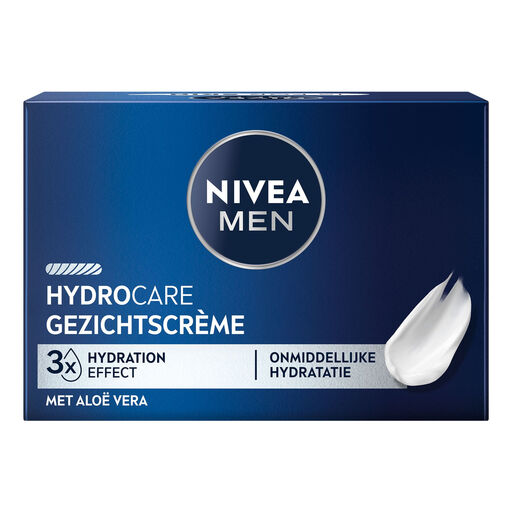
Why it suits this profile: A compact 50 ml face cream for daily use on normal to dry skin. According to the product description, the lightweight formula absorbs quickly and is non-greasy.
The product information lists glycerine, panthenol and aloe vera. Check whether fragrance suits your skin, as the ingredients list contains fragrance.
50 ml, suitable for the face and daily use, with glycerine, panthenol and aloe vera.
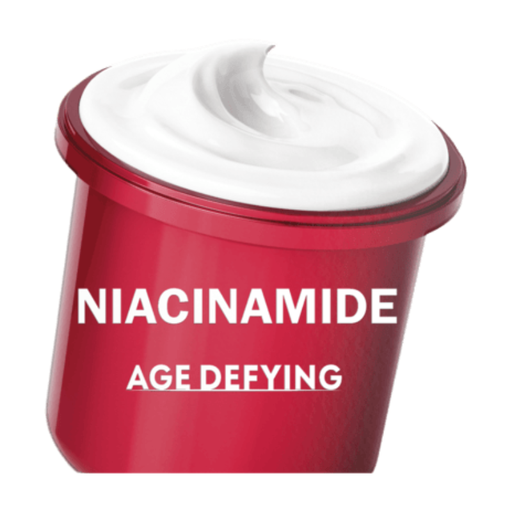
Why it suits this profile: For anyone who wants to care for their face and neck in one morning step with hydration and SPF 30. The refill pack is a practical choice for users who want to reuse an existing jar.
The SPF rating is clearly stated. According to the product description, the claims about smoother skin and fine lines are based on the brand’s user tests, not a guarantee.
SPF 30, niacinamide and vitamin E; lightweight formula; 50 ml refill format.
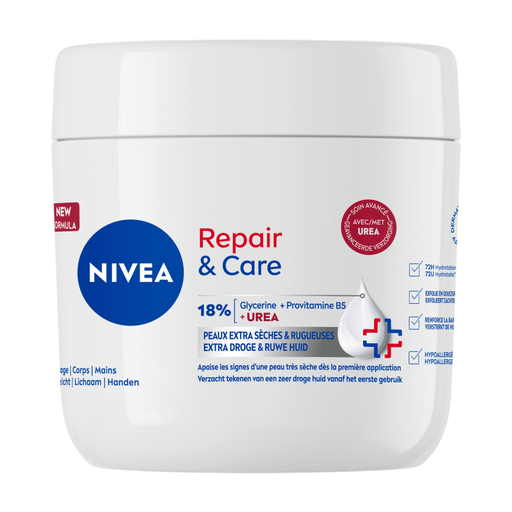
Why it suits this profile: Designed for very dry and rough areas of the body. The 400 ml pack is suitable for daily use on areas such as the legs, arms, elbows and hands.
The formula lists glycerine, urea and provitamin B5. According to NIVEA’s own research, the 72-hour claim was measured in 41 volunteers; treat this as product information, not a guaranteed outcome.
400 ml, urea in the formula, designed for very dry and rough skin, dermatologically tested according to the product description.
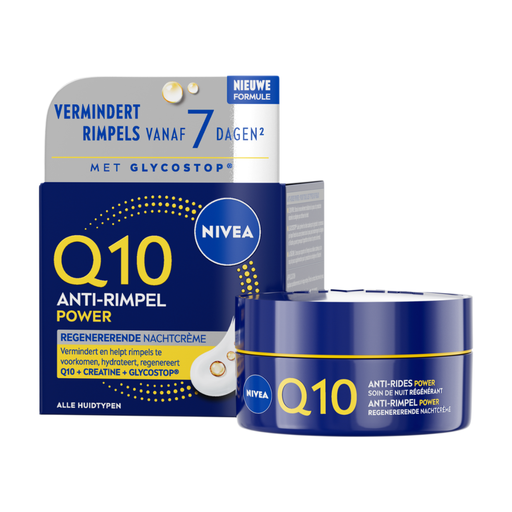
Why it suits this profile: A 50 ml night cream with a richer texture for users who prefer a more nourishing evening skincare routine.
The cream is clearly described as a night product and has no stated SPF. According to NIVEA’s own research, claims about wrinkles are linked to an instrumental test and in-vitro research.
Q10, creatine, panthenol and sodium hyaluronate; use on the face and neck; rich texture for evening use.
We have put together a complete, up-to-date list of products that fully meet these strict selection criteria and the applicable European safety regulations.
Choose a cream with moisture-binding ingredients such as glycerine, panthenol or urea. For the body, a body cream in a larger pack may be practical. A richer face cream may be suitable for dry facial skin, but also pay attention to fragrance and other ingredients that could cause irritation.
Usually, yes, but a day cream with SPF is not essential in the evening. A night cream often has a richer texture and is intended for use after cleansing. Above all, choose based on how it feels on your skin and the purpose of the formula.
Follow the expiry date and the period-after-opening symbol on the packaging. Store the cream in a cool, dry place away from direct sunlight. Use clean hands or a spatula, and stop using it if redness, irritation or a rash develops. The shelf life after opening may vary depending on the product and packaging.
