
Livraison le jour même et le lendemain

Qualité garantie

Débloquez vos offres de bienvenue: Livraison GRATUITE | Jusqu'à -80 % | 30 jours d'essai gratuits à JoyPlus
Téléchargez l'application
A mo moisturising cream may seem simple to choose, but you often only notice a poor purchase after a few days. A face cream may feel too heavy, a body cream may not provide enough comfort and a hand cream may be less suitable for everyday use because of its fragrance. Terms such as “intensive hydration”, “skin barrier repair” and “suitable for all skin types” do not always tell the full story.
Use these checkpoints to compare face cream, body cream and hand cream based on practical features rather than marketing copy alone.
A body cream is usually developed for larger areas of skin and may have a richer texture. That does not automatically make it suitable for the face. Facial skin may react differently to fragrance, oils or a sealing texture. Always check the stated application area.
A cream with hyaluronic acid attracts moisture, but the overall formula determines how comfortable your skin feels. For dry skin, humectants, soothing ingredients and ingredients that support the skin barrier are also relevant. Look at the full ingredients list rather than focusing solely on claims relating to niacinamide or ceramides, for example.
A cream for sensitive skin may still contain ingredients that an individual is sensitive to. Fragrance, essential oil components and certain preservatives are not suitable for every user. A patch test on a small area of skin is sensible, particularly if your skin is reactive or has previously been irritated. Stop using the product if you experience burning, itching, swelling or persistent redness, and consult a doctor if necessary.
Start with the basics:
Glycerine, betaine and hyaluronic acid help the skin retain moisture. A cream with hyaluronic acid may therefore feel pleasant on dehydrated skin, but the result depends on the complete formulation and how you use it.
Ceramides, cholesterol and fatty acids are found in formulas designed to support the skin barrier. Products with ceramides are often chosen when the skin feels dry or tight. The term “repair the skin barrier” describes a cosmetic aim; it is not a medical treatment.
Niacinamide is often used in a moisturising face cream. According to brands’ product information, this ingredient may help the skin look more even and support the skin barrier. This is a cosmetic claim, not a guarantee of an individual result.
A soothing cream often contains centella asiatica, panthenol, allantoin or certain plant extracts. According to the relevant brands’ own product information, these ingredients are intended to support a more comfortable skin feel. Always check that your skin tolerates the formula well.
A gel cream usually feels lighter and is often suitable for combination or oilier skin. A rich, nourishing face cream may be a better match for dry skin or for use as a night cream. Fragrance is a personal choice: a scented body cream may feel pleasant, while an unfragranced face cream may be a more logical choice for sensitive skin.
Also check the contents, such as 50 ml, 80 ml, 100 ml or 200 ml, and look at the packaging for the expiry date and the period after opening. Do not use a product on damaged skin and avoid contact with the eyes unless the packaging states otherwise.
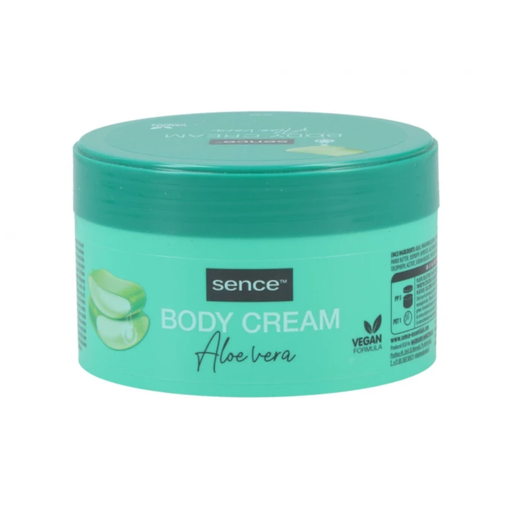
Why it suits this profile: A straightforward 200 ml body cream for everyday use on the body, without a complicated routine.
The product information clearly states that this is a body cream with an aloe vera variant. Use it specifically on the body rather than automatically using it as a face cream.
200 ml contents; aloe vera variant; fresh fragrance according to the product description.
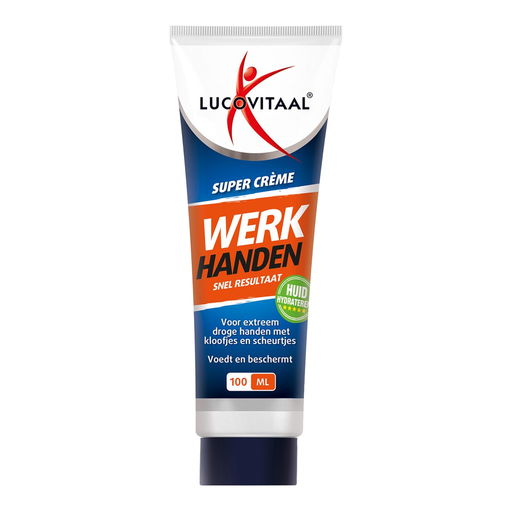
Why it suits this profile: Designed for dry, stressed hands after gardening, housework, DIY or other everyday manual tasks.
The intended use is specifically described for dry and hard-working hands. This prevents you from expecting a general body cream to perform as hand care.
100 ml; shea butter, glycerine, dimethicone and allantoin listed; designed for everyday use on the hands.
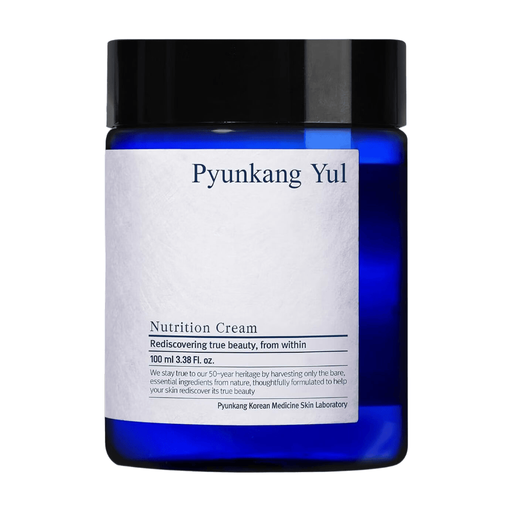
Why it suits this profile: A rich Korean skincare cream for anyone looking for a nourishing, fragrance-free face cream as the final step in their routine.
The product information states that it has a fragrance-free formula and a rich yet fast-absorbing texture. Still, check the full ingredients list if you have known allergies.
100 ml; shea butter, jojoba oil and sodium hyaluronate listed; use as the final step in your facial skincare routine.
We have put together a complete, up-to-date list of products that fully meet these strict selection criteria and the applicable European safety regulations.
Apply a face cream after cleansing, preferably while the skin is still slightly damp. Use a small amount and only add more if needed. A body cream is particularly practical immediately after showering, while hand cream can be reapplied after washing your hands or completing tasks.
Do not combine several new products straight away. Introduce one cream at a time so that you can better assess how your skin reacts. With a cream for sensitive skin, a patch test is especially advisable. A cosmetic product is not a substitute for treatment of persistent skin problems.
That depends on your skin and the product. Many creams are intended for use once or twice a day. Dry hands may need care more often, particularly after washing. Follow the instructions on the packaging.
It can be, but look at the complete formula. Hyaluronic acid is a moisture-binding ingredient; dry skin may also benefit from soothing and protective ingredients such as shea butter, squalane or ceramides. Test a new cream on a small area of skin first.
Check the open-jar symbol, for example 12M, as well as the expiry information on the packaging. Store the cream in a cool, dry place away from direct sunlight, and close the packaging properly after use. Once the fragrance, colour or texture changes noticeably, caution is advised.
