
Livraison le jour même et le lendemain

Qualité garantie

Débloquez vos offres de bienvenue: Livraison GRATUITE | Jusqu'à -80 % | 30 jours d'essai gratuits à JoyPlus
Téléchargez l'application
A moisturising cream may seem simple to choose, but the differences between a face cream, body cream and hand cream matter in practice. A light gel can feel comfortable on an oilier skin, while a dry skin is more likely to need a richer texture. Fragrance, packaging and the claims made can also influence your choice.
The following pitfalls are common:
Check whether the cream is intended for the face, body, hands or multiple areas. A face cream is usually tailored to a thinner, more visible skin zone. For hands, how quickly the formula absorbs also matters, especially if you want to work, cycle or drive after applying.
For dry skin on the body, a richer body cream can be suitable. If dry hands are your main concern, pick a specific hand cream. A product like Lucovitaal Working Hands Cream is, according to the product description, intended for daily use on dry, stressed hands.
Texture determines how pleasant a moisturising cream feels:
A cream for sensitive skin is not automatically free from all potential triggers. Check whether fragrance, alcohol or known allergens appear in the INCI list. NIVEA Soft, for example, contains fragrance and perfume components such as linalool and limonene, while Clinique Moisture Surge is listed as fragrance-free in the supplied product information.
Glycerine is often used as a humectant. Hyaluronic acid comes in various forms and features prominently in, among others, Isntree Hyaluronic Acid Moist Cream, Hyaluronic Acid Intensive Cream and Dr. Althea 147 Barrier Cream. A ceramide cream can be interesting if you’re after a nourishing formula that supports the skin barrier.
Also check the volume. A 400 ml jar is practical for face and body, but a 30 or 50 ml tube is handier for a face cream you want to take with you. Look at the shelf life and the period after opening on the packaging, as that information can differ per product.
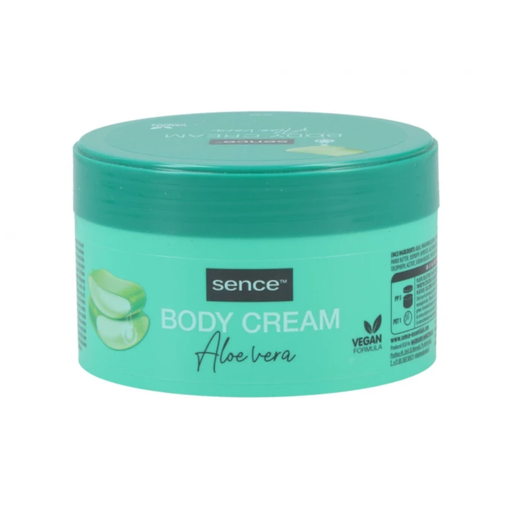
Why this suits the profile: A simple 200 ml body cream for daily use on the body, without needing a specialised facial formula straight away.
The product category and volume are clearly stated. Check the full packaging if you’re sensitive to fragrances or other ingredients.
Body cream in an aloe vera variant, 200 ml volume and a fresh scent according to the product description.

Why this suits the profile: The gel-cream is designed for the face and, according to the product data, suits dry, very dry, combination and oily skin.
The facial use, gel texture and properties such as fragrance-free and non-comedogenic are clearly included in the product information.
Fragrance-free gel-cream, 30 ml, suitable for morning and evening use. The claim “up to 100 hours” comes from the brand’s product description.
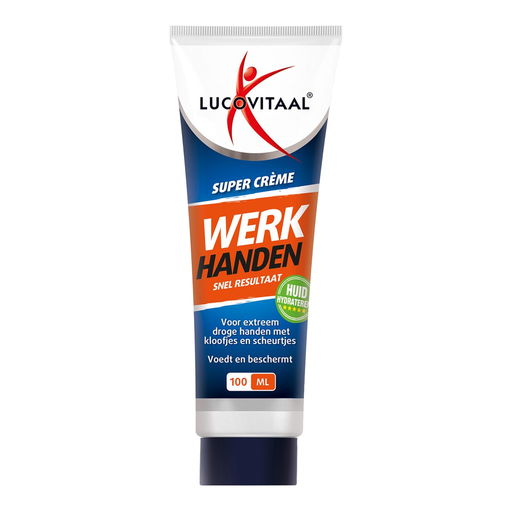
Why this suits the profile: Aimed at adults with dry, rough hands from household tasks, gardening, DIY or other intensive hand use.
You choose a hand cream for a specific issue instead of a general body cream for every skin zone.
100 ml, with ingredients including shea butter, glycerine, dimethicone and macadamia oil in the listed ingredient list.
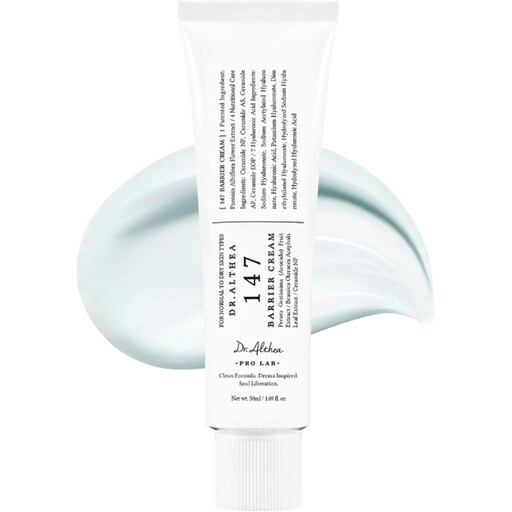
Why this suits the profile: A Korean skincare cream for those seeking a nourishing facial formula with hyaluronic acid and ceramides.
The ingredients are transparently listed: seven types of hyaluronic acid and ceramides are mentioned in the product description. Always check the label if you have allergies.
50 ml, with hyaluronic acid, ceramides, vitamin E and guaiazulene according to the product information.
Apply a face cream to cleansed skin and use a small amount. A body cream usually feels best after showering, when the skin is clean. You can reapply hand cream after washing or whenever your skin feels tight.
If you have sensitive skin, patch test a new product first on a small area. Stop using if redness, itching, swelling or other irritation occurs. Avoid contact with the eyes and use cosmetics externally only. If skin complaints persist, advice from a doctor or pharmacist is more appropriate than switching between creams.
We’ve put together a complete, up-to-date list of products that fully meet these strict selection criteria and comply with current European safety regulations.
Look for a richer formula with, for example, glycerine, oils, shea butter, hyaluronic acid or ceramides. The right choice also depends on the area of use. For a dry face, a face cream may feel better than a heavy body cream; for hands, a hand cream is often more practical.
That depends on your skin and the product. Many creams are intended for daily use, morning and evening. You can use hand cream more often, for example after washing. Always follow the directions for use on the packaging.
Check the jar symbol or the text on the packaging. Some products state, for example, six or twelve months after opening, while other information only appears on the packaging itself. Store the cream in a cool, dry place, tightly closed and out of direct sunlight.
