
Vandaag of morgen in huis

Kwaliteit gegarandeerd

Welkomstaanbiedingen ontgrendelen: GRATIS bezorging | Tot 80% korting | Gratis 30 dagen JoyPlus-proefperiode
Download de app
A moisturising cream may seem like a simple purchase, but the range varies considerably. A lightweight gel can feel pleasant on oilier skin, while dry skin often benefits more from a richer cream or occlusive balm. Claims such as “72-hour hydration” or “repairs the skin barrier” do not automatically mean that a product is right for your skin.
Pay attention to where you intend to use it, as well as the ingredients and texture. This helps you avoid buying a product that feels tight, sticky or irritating, or that ends up unused in your bathroom after a few weeks.
Brands sometimes state a specific number of hours of hydration. According to NIVEA’s own research, Repair & Care Sensitive Body Lotion provides up to 72 hours of hydration; the product information refers to an instrumental test involving 45 volunteers. Clinique makes a similar claim for Moisture Surge 100H, based on its own product information.
These are not universal guarantees for every user. Skin type, the amount of product used, washing and the climate all play a part. Use figures like these mainly to compare products with one another, rather than as a prediction of your own results.
A face cream for dry skin is generally formulated for a smaller and more sensitive area. Body lotion is often sold in a larger bottle and intended for the arms, legs and torso. For a dry patch on the elbow, a petroleum jelly-based balm may be more practical than a thin lotion.
Always check the packaging to see what the product is intended for. A cream for the body is not automatically suitable for use around the eyes or on blemish-prone facial skin.
A product may be described as gentle or suitable for sensitive skin, but still contain perfume, fragrance allergens or drying alcohol. Look for terms such as fragrance-free, alcohol-free and pH-neutral, but also check the full ingredients list.
According to the product description, NIVEA Repair & Care Sensitive Body Lotion is fragrance-free and contains glycerine and panthenol. Vaseline Essential Healing Body Lotion, on the other hand, lists fragrance among its ingredients. The product details describe this variant as “unscented” in one place, while the ingredients list includes perfume and fragrance allergens. Where information conflicts, the packaging takes precedence.
No single ingredient determines whether a product is suitable. The overall formula and your own tolerance are more important than a prominent claim on the front of the pack.
For the face, a gel cream can feel pleasant if you want a non-greasy finish quickly. A richer lotion or cream is often better for skin that feels tight, particularly in the evening. For hands, knees and elbows, an occlusive balm such as petroleum jelly can be practical.
A moisturiser for sensitive skin should not only hydrate but also feel comfortable. Apply a new product to a small area of skin first. Stop using it if redness, itching or irritation persists, and ask a doctor or pharmacist for advice if you have any concerns.
Compare the contents in millilitres and consider whether you would prefer a pump bottle, tube or jar. A pump bottle limits contact with the contents; a jar can be useful for a thick cream but requires clean hands.
Claims such as “non-comedogenic”, “dermatologically tested” or “allergy tested” are product specifications provided by the brand. They do not guarantee that nobody will experience a reaction. For example, Clinique states that Moisture Surge 100H is fragrance-free, oil-free and non-comedogenic. Check the current packaging and product page before placing your order.
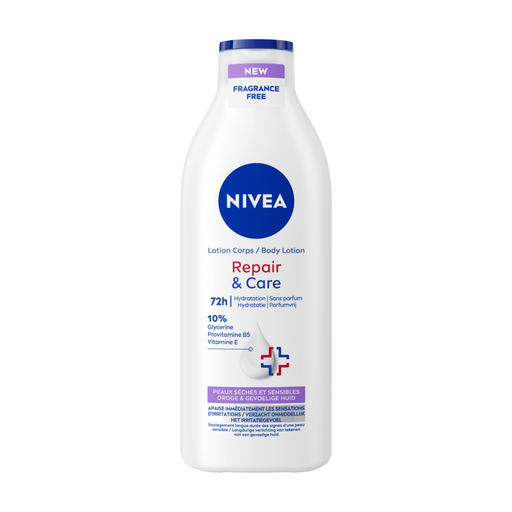
Why it suits this profile: The bottle contains 400 ml and is intended for daily use on dry, sensitive skin on the body.
The fragrance-free formula makes the choice clearer for anyone looking to avoid fragrances. Do check the current packaging, however.
10% complex with glycerine, provitamin B5 and vitamin E; according to the product information, it is fast-absorbing and non-greasy.
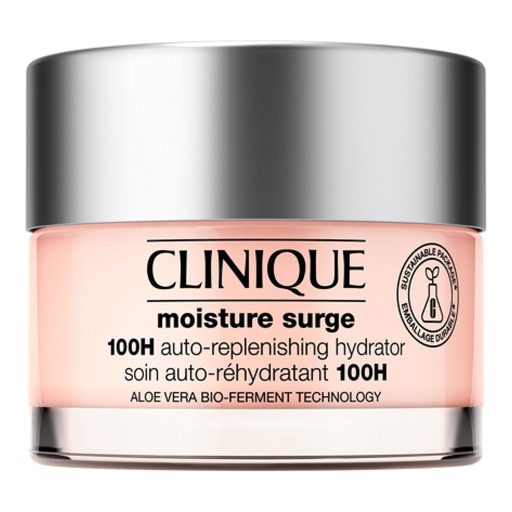
Why it suits this profile: The oil-free gel cream is intended for the face and suits anyone looking for a lightweight texture and fragrance-free formula.
The product information states that it is fragrance-free, alcohol-free and non-comedogenic. However, anyone looking for a rich cream may find the gel texture too lightweight.
Contains glycerine, trehalose and sodium hyaluronate; available in 50 ml for daily use on the face.
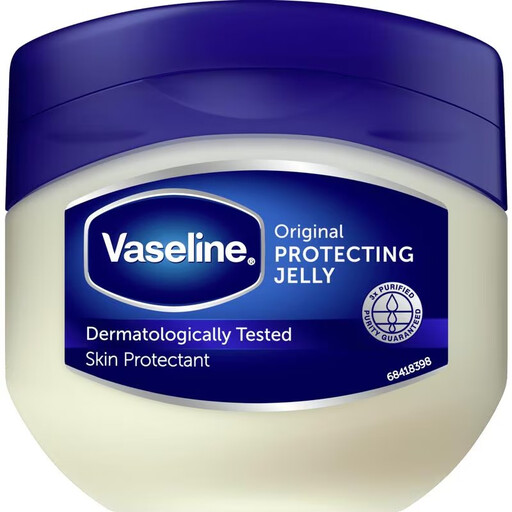
Why it suits this profile: Useful for small, rough areas such as lips, cuticles, hands and elbows.
The ingredients list consists of petrolatum. This means that no fragrances are listed, but the highly occlusive texture may feel heavy on the face.
100 ml; intended as a protective layer for dry areas and suitable for taking with you.
Apply a lotion or cream to clean skin, preferably while it is still slightly damp. For the face, use a small amount and avoid direct contact with the eyes. Intensive hydration can involve applying a lighter moisturiser followed by a thin layer of occlusive cream to dry areas.
Separate sun protection may be needed during the day. According to the product information, NIVEA Soothing Day Cream contains SPF 15, but the protection you need depends on exposure and conditions. A day cream with SPF does not always replace a product with a higher sun protection factor.
We have put together a complete, up-to-date list of products that fully meet these strict selection criteria and the applicable European safety regulations.
Choose a formula containing ingredients such as glycerine, panthenol, ceramides, shea butter or petrolatum. For the face, a rich lotion or cream is often more comfortable than a thin gel. Also consider whether fragrance-free skincare is important to you.
Sometimes, but the intended area stated on the packaging takes precedence. A body lotion for dry skin is practical for large areas, while a facial product is more often formulated with texture, sebum and use on the face in mind. Test a multi-purpose cream on a small area first.
Follow the expiry date and the period-after-opening symbol on the packaging. Close the packaging properly, store it in a cool, dry place and do not use a product if its smell, colour or texture has clearly changed. With a jar, good hygiene is particularly important.
