
Same-day & Next-day Delivery

Quality Guaranteed

Unlock Your Welcome Offers: FREE Delivery | Up to 80% OFF | Free 30-day JoyPlus trial
Download the APP
A moisturising cream may seem like a simple purchase, but products vary considerably in texture, application and ingredients. For example, a face cream for dehydrated skin may not be suitable for your hands. Similarly, a rich cream for dry skin can feel heavy on oilier skin.
When choosing, pay particular attention to these three common pitfalls:
First, check whether the cream is intended for the face, body, hands or several areas. A moisturising face cream often has a lighter texture than a hand cream. For a cream for sensitive skin, a short ingredients list and clear warnings are useful.
Also pay attention to the description:
A product marketed for the face and body, such as the NIVEA Moisturizing Cream in a 400 ml pack, can be convenient for use at home. A smaller tube is more practical when you are out and about.
Ingredients are listed in descending order of quantity, with exceptions for ingredients present in low concentrations. Some common ingredients include:
Product claims about performance come from the brand or product description. Treat them as information about the formula and intended use, rather than a guarantee for every skin type. Stop using the product if irritation occurs. A patch test on a small area of skin may be advisable, particularly if you have sensitive skin.
Compare millilitres or grams when comparing prices. A 30 ml hand cream is suitable for a handbag, while 100 ml or 400 ml may make more sense for regular use at home.
Also check:
For products containing ingredients such as salicylic acid or perfume, the instructions for use and warnings are particularly important. A cream is not a substitute for medical advice if you have persistent skin problems.
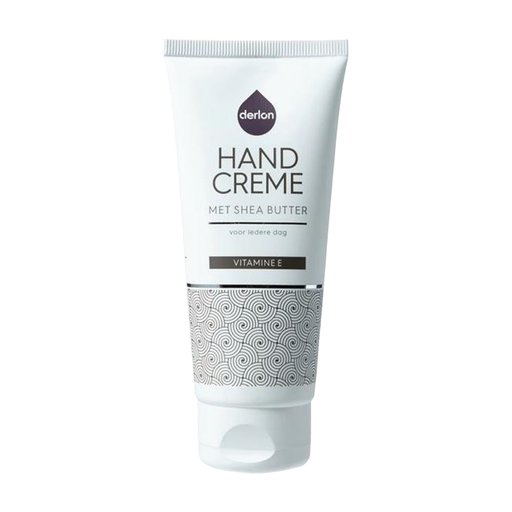
Why it suits this profile: This hand cream comes in a 100 ml size and, according to the product information, is intended for daily use. The formula contains glycerine, shea butter and tocopherol, the name used for vitamin E.
The application and size are clearly stated. However, check the fragrance ingredients and fragrance allergens listed on the packaging before ordering.
100 ml; glycerine, shea butter and tocopherol listed in the ingredients; suitable as a daily hand cream.

Why it suits this profile: The product description mentions five types of hyaluronic acid and a gel-cream texture. The ingredients list also includes shea butter, argan oil, apricot kernel oil, panthenol and ceramide NP.
The texture and intended use as a daily moisturiser or night cream are clearly described. Check the current packaging, as ingredients may change.
100 ml; gel-cream; several forms of hyaluronic acid; ceramide NP and plant oils listed.
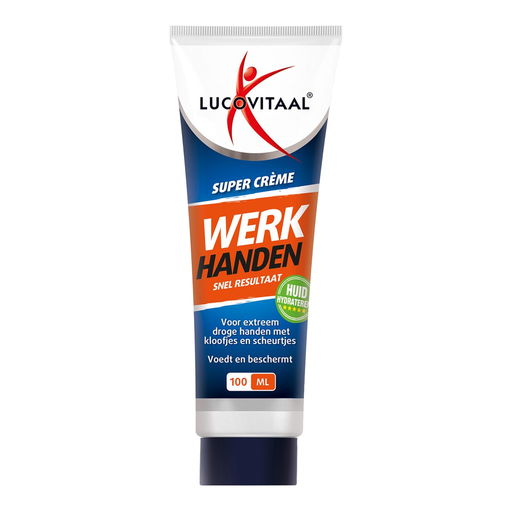
Why it suits this profile: According to the product information, this hand cream is designed for dry, stressed hands after housework, gardening, DIY or industrial work.
The application is more specific than that of a general moisturiser. If you are sensitive to fragrance or soya, check the ingredients list: perfume and soya-derived ingredients are listed.
100 ml; shea butter, glycerine, macadamia oil and allantoin listed; intended for daily use on dry hands.
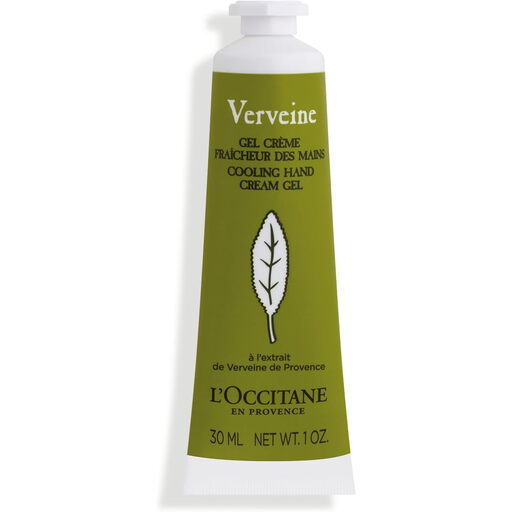
Why it suits this profile: The compact 30 ml tube is suitable for a handbag, desk or travel. According to the product description, the lightweight gel texture is designed to absorb quickly.
The size and texture are clearly stated, so you will not mistake the small pack for a value-sized multipack. Check the fragrance ingredients if you have sensitive skin.
30 ml; gel texture; tube for use on the go; glycerine and plant extracts listed.
We have put together a complete, up-to-date list of products that fully meet these strict selection criteria and the applicable European safety regulations.
A face cream is usually formulated for use on the face and may have a lighter texture. Hand cream is often richer and designed for skin that is washed regularly or exposed to friction. Always check the stated application and ingredients.
That depends on the formula and how your skin feels. You can apply hand cream several times a day according to the instructions, for example after washing your hands. A facial moisturiser is often used in the morning and evening. Follow the instructions on the packaging.
Look for the open-jar symbol on the packaging, such as 6M, 12M or 24M. This indicates the recommended period after opening. If necessary, make a note of the opening date and store the cream in a cool, dry place away from direct sunlight. If the smell, colour or texture changes significantly, stop using the product.
