
Vandaag of morgen in huis

Kwaliteit gegarandeerd

Welkomstaanbiedingen ontgrendelen: GRATIS bezorging | Tot 80% korting | Gratis 30 dagen JoyPlus-proefperiode
Download de app
Buying a moisturising cream sounds simple, until you have to choose between a face cream, body cream, gel cream, night cream or barrier-repair cream. Marketing copy often promises smoother, more radiant or younger-looking skin, but does not always make it clear which skin concern the product is actually designed to address.
The right choice therefore starts not with the packaging, but with three questions: what will you use the cream for, which ingredients appear at the top of the ingredients list, and does your skin tolerate the formula?
A thick cream feels nourishing, but it is not automatically suitable for every skin type. Oily or combination skin may find a heavy formula uncomfortable. A gel cream may feel more pleasant during the day, while a richer cream may be better suited to dry hands or tight-feeling skin.
Consider the intended use:
Hyaluronic acid, ceramides, niacinamide and plant extracts are popular ingredients, but their presence alone does not tell you everything. The complete formula, concentration, texture and your skin type also play a role.
A hyaluronic acid cream is particularly appealing when you are looking for a light, hydrated feel. A ceramide cream may suit shoppers who pay attention to ingredients that, according to the product description, support the skin barrier. If you have sensitive skin, it is also sensible to check for fragrance, essential oils and known allergens.
Terms such as “anti-ageing”, “repair” and “soothing” are not a reason to skip the ingredients list. According to a brand’s own research or a brand claim, a product may, for example, contribute to a smoother appearance or a more comfortable skin feel. This is not the same as guaranteed results for every user.
Always check:
For a cream for dry skin, humectants such as glycerine, betaine and hyaluronic acid are relevant. Oils, shea butter and occlusive ingredients may help retain a moisturised feel for longer. When choosing a barrier-repair cream, look for ceramides, cholesterol, fatty acids and panthenol in the ingredients list.
For a cream for sensitive skin, a short, straightforward formula is often practical. Fragrance-free generally means that no perfume has been added to the formula, but you should still check the complete ingredients list. Performing a patch test on a small area of skin is advisable before applying a new product more widely.
A lightweight gel cream may suit oily or combination skin and work well under make-up. A richer cream may feel more comfortable on dry areas, in cold conditions or when used in the evening. Also consider the size. A 100 ml jar for the face may last longer than a 30 ml tube, but only if you like the texture and use the product regularly.
Do not compare the price alone; also consider the size and intended use. A 200 or 240 ml body cream is practical for the legs, arms and torso. Face products commonly come in sizes from 40 to 100 ml. A universal cream for the face and body can be convenient, but a formula suitable for the body will not necessarily feel comfortable on the face.
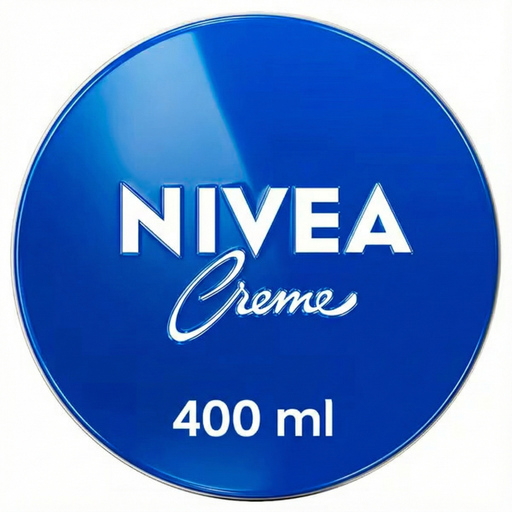
Why it suits this profile: The large size is suitable for daily use on the face, body or hands, depending on your preference and how your skin reacts.
The size and broad range of uses make it easier to compare the cost per use. However, check the listed fragrances and allergens.
400 ml; contains glycerine and panthenol according to the product information; suitable for daily use on multiple areas of the body.
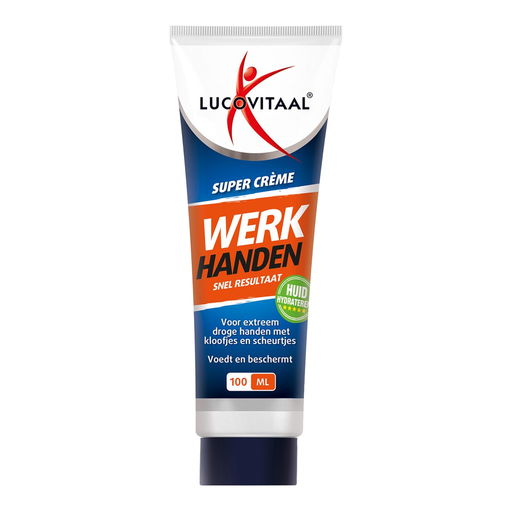
Why it suits this profile: A practical choice for dry hands caused by housework, gardening, DIY or frequent washing.
Its intended use is clearly defined as a hand cream. This means you are not buying a face cream for a need it was not designed to address.
100 ml; contains shea butter, glycerine, dimethicone and macadamia oil; intended for the daily care of dry hands.

Why it suits this profile: The gel cream is practical for daytime use, under make-up or whenever a lightweight moisturiser feels more comfortable.
The gel cream texture means you do not have to choose a heavy cream by default. According to the product information, the formula is fragrance-free and non-comedogenic.
30 ml gel cream; according to the product description, free from alcohol, fragrance, parabens and phthalates; suitable for several skin types.
We have put together a complete, up-to-date list of products that fully meet these strict selection criteria and the applicable European safety regulations.
Apply a face cream to clean skin, preferably while the skin is still slightly damp. Use thinner products such as a serum first, then finish with the cream. During the day, sun protection should be a separate step whenever you go outside.
For a body cream, applying it after showering often feels particularly pleasant. You can care for dry hands several times a day, especially after washing or cleaning. When trying a new product, start with a small amount and increase use if your skin responds well.
Stop using the product if you experience burning, itching, swelling or pronounced redness. Avoid using it on damaged skin and always follow the safety information on the packaging.
Look for a combination of humectants and nourishing ingredients, such as glycerine, hyaluronic acid, shea butter, oils or ceramides. A richer cream may feel more comfortable, but the formula should still feel pleasant during everyday use.
That depends on the product instructions and ingredients. A body cream may have a heavier texture or contain fragrance. For sensitive or blemish-prone skin, a face cream with a clearly defined intended use is generally easier to assess.
Check the expiry date and the open-jar symbol, such as 6M or 12M. Store the cream in a cool, dry place away from direct sunlight. Close the packaging securely after use and do not use a product if its smell, colour or texture has changed.
