
Vandaag of morgen in huis

Kwaliteit gegarandeerd

Welkomstaanbiedingen ontgrendelen: GRATIS bezorging | Tot 80% korting | Gratis 30 dagen JoyPlus-proefperiode
Download de app
A moisturising cream might seem like a simple product, but the options vary greatly depending on skin type, application and texture. A face cream for oily skin has different properties to a rich body cream for dry legs. Likewise, a hand cream for daily use isn't necessarily the same as a cream for chapped winter hands.
If you only look out for words like "intensive", "natural" or "restorative", you could easily end up buying a product that doesn't feel pleasant or doesn't fit your daily routine.
A heavy cream can feel lovely on dry elbows or hands, but may feel too greasy on an oily or combination face. For the face, a light moisturiser or hydrating gel cream is often more practical, especially under sunscreen or make-up.
Terms like "restore skin barrier", "soothing" or "radiant skin" are no guarantee of a personal result. According to brands' own product information, certain ingredients such as hyaluronic acid, ceramides or aloe vera can contribute to hydration or a comfortable skin feel. That doesn't mean every skin will react the same way.
Always check the full ingredients list, instructions for use and warnings. If you have sensitive skin, it's wise to do a small patch test on a limited area. Stop using the product if irritation occurs.
Fragrance can be an important part of the experience for some users, but it isn't always desirable in a cream for sensitive skin. Fruit acids, vitamin C, tea tree or other active ingredients may also be less suitable if your skin reacts quickly. A product intended for a more even complexion or intensive care therefore requires extra attention to its composition.
Pay attention to the indicated product type:
An all-in-one product can be convenient, but check that the texture also suits the area you intend to use it on.
Glycerine, hyaluronic acid and panthenol are commonly used to attract moisture or support skin feel. A cream with ceramides contains lipid-like ingredients that fit within a routine focused on protecting the skin barrier. Oils, shea butter and dimethicone can give a richer, more protective feel.
According to the product description, Isntree Hyaluronic Acid Moist Cream contains five types of hyaluronic acid, plus argan oil, apricot kernel oil and Ceramide NP among others. The Ceramide Skin Barrier Moisturiser lists multiple ceramides, cholesterol and various forms of hyaluronic acid in its ingredients list.
Do check the full INCI list. The position of an ingredient in the list generally gives more context than just the name on the front of the packaging.
Don't just compare the price, but also the size: 50 ml for the face isn't directly comparable to 200 or 400 ml for body and hands. Also check the expiry date and the period after opening, such as 6M or 12M, on the packaging.
Cosmetics for the European market must include mandatory product information, ingredients and warnings. Use a cream only externally, avoid contact with the eyes and follow the instructions on the label. A patch test is especially advisable with a cream for dry skin that reacts quickly or with formulas containing multiple active ingredients.
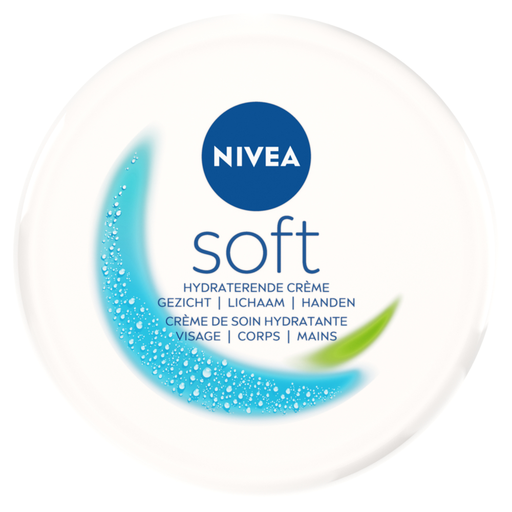
Why this fits the profile: According to the product description, this cream is intended for face, hands and body. That makes one pot practical for a simple daily routine.
The application and size are clearly stated. However, do watch out for fragrance and alcohol denat. in the ingredients list if your skin is sensitive to them.
200 ml; with jojoba oil and vitamin E according to the product information; suitable for multiple uses.

Why this fits the profile: This Korean face cream suits those who pay close attention to ceramides, cholesterol and multiple forms of hyaluronic acid in the formula.
The ingredients list is available in full, so you don't have to rely solely on the "barrier" claim. A patch test is recommended.
80 ml; ceramide NP, NS, AP, AS and EOP listed; also hyaluronic acid and panthenol in the ingredients list.
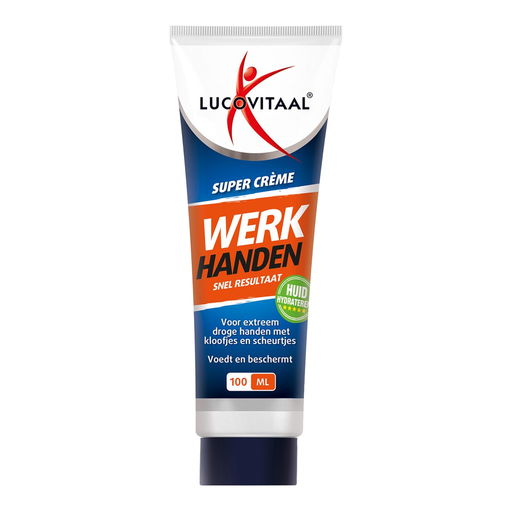
Why this fits the profile: The product description mentions use after household chores, gardening, DIY and other work that puts hands under strain.
Here you're choosing a hand cream rather than a general body cream. This means the application is better suited to dry and heavily stressed hands.
100 ml; shea butter, glycerine, dimethicone and macadamia oil listed; paraben-free according to the product information.

Why this fits the profile: According to the product details, this is a hydrating gel cream for the face and neck, with a light texture for oily skin.
The gel texture helps make the choice more specific than a heavy cream for dry skin. If you have sensitivity, still check the full packaging.
100 ml; gel cream for face and neck; according to the product information, with 44% Haenam red bean extract and a peptide complex.
We've put together a full, up-to-date list of products that fully meet these strict selection criteria and current European safety regulations.
Look for a richer formula containing ingredients such as glycerine, shea butter, oils, panthenol or ceramides. A cream for dry skin can be especially pleasant after showering, when the skin isn't completely dry yet. For very sensitive or persistently irritated skin, it's wise to ask your GP or pharmacist for advice.
That depends on the product and how your skin feels. Many face creams are used morning and evening, while a body cream is usually applied after showering. A hand cream can be reapplied after washing your hands or whenever your hands feel dry. Always follow the instructions on the packaging.
Check the open-jar symbol on the packaging, for example 6M or 12M. This indicates how many months the product is intended for use after opening. Keep the pot or tube tightly closed, out of direct sunlight and according to the stated storage conditions. If the scent, colour or texture changes noticeably, check the shelf life first before using the cream again.
