
Vandaag of morgen in huis

Kwaliteit gegarandeerd

Welkomstaanbiedingen ontgrendelen: GRATIS bezorging | Tot 80% korting | Gratis 30 dagen JoyPlus-proefperiode
Download de app
A moisturising cream may seem like a straightforward purchase, but products vary widely in texture, ingredients and intended use. A lightweight gel cream can feel comfortable on oily skin, while a richer cream may be better suited to dry patches. If you focus only on claims such as “intense hydration” or “glow”, you may end up paying for qualities that aren’t right for your skin.
Use this practical guide to focus on the things that really make a difference: skin type, texture, ingredients, fragrance and intended use. This will help you compare facial moisturisers more fairly and avoid a purchase you regret.
A rich cream isn’t automatically better for dry skin, and a lightweight formula may not always be enough for dry patches. Oils and occlusive ingredients can leave oily skin feeling sticky or looking shiny. If you’re looking for a lightweight moisturiser, look out for terms such as gel cream, “oil-free”, lotion or water-based.
Words such as “restorative”, “rejuvenating” and “instant glow” often describe a brand’s positioning. According to a brand’s own research or product information, certain ingredients may contribute to a particular user experience, but this isn’t guaranteed for every skin type. Check the ingredients list and make sure the claim matches what you’re buying the cream for.
A cream for sensitive skin isn’t necessarily free from perfume or fragrance. Always check the packaging. Natural extracts and essential oils may also feel less comfortable for some people. If you have reactive skin, patch testing on a small area is a sensible precaution.
Don’t automatically use a face cream as a body lotion, or vice versa. The skin on your face may react differently from the skin on your arms and legs. Check what the product is intended for:
A gel cream usually feels fresh and lightweight. A lotion is thinner and suitable for larger areas of skin. A rich cream or balm generally forms a more occlusive layer and may be better suited to rough or tight-feeling areas.
Ingredients such as glycerine and hyaluronic acid are often used as humectants. Ceramides, fatty acids, cholesterol and squalane are found in formulas designed to support the skin barrier. According to a brand’s product description, this doesn’t mean the skin barrier is medically repaired; it refers to cosmetic care and helping to reduce feelings of dryness.
Compare more than just the price: check the amount too. A 30 ml tube is handy for trying out a product or taking it with you, while 100 ml or 400 ml may offer better value for everyday use. Also check:

Why it suits this profile: The lightweight gel texture and 100 ml size make this a practical choice if you’d like to try Korean skincare without going straight for a heavy cream. According to the product description, the formula is intended for oily, combination or dry skin.
According to the product information, the watery gel texture is designed to help avoid a heavy or greasy feel. If you have sensitive skin, always check the current packaging too.
100 ml gel cream for the face and neck, featuring, according to the product description, 44% Haenam red bean extract and a peptide complex.
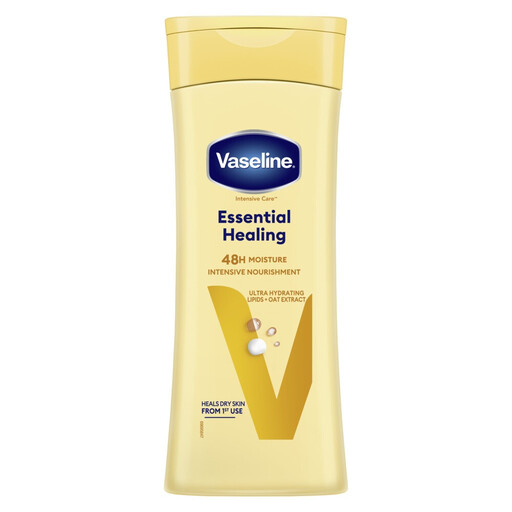
Why it suits this profile: The 400 ml pump bottle is practical for everyday use on your arms, legs and torso. According to the product description, this hydrating body lotion is intended for dry skin. The formula includes glycerine, petrolatum, dimethicone and oat extract.
The larger pack means you don’t have to use a small face cream on your body. If your skin is sensitive to fragrance, check which fragrance ingredients it contains.
400 ml, intended for dry skin, with a fast-absorbing lotion texture according to the product description.
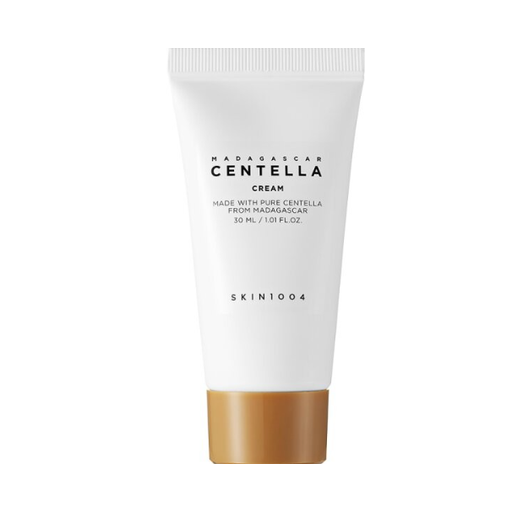
Why it suits this profile: The compact pack is a good option if you’d like to try a smaller amount first. According to the product description, the formula is intended for normal and sensitive skin and contains panthenol, TECA and Centella Asiatica.
The product description clearly identifies the skin types and key ingredients. Still, check the current packaging and stop using the product if irritation occurs.
30 ml lightweight cream formula, with panthenol and Centella-related ingredients according to the product information provided.
We’ve put together a complete, up-to-date list of products that meet these strict selection criteria and comply with current European safety regulations.
Many face creams are used once or twice a day, following the product instructions and after cleansing and, if you use one, applying a serum. It’s best to apply body lotion after showering, while your skin is still slightly damp. Always follow the instructions on the packaging.
Check the expiry information and period-after-opening symbol on the packaging. Store the cream in a cool, dry place, away from direct sunlight. If its smell, colour or texture changes, stop using it. Shelf life varies depending on the formula and packaging.
No. The right choice depends on your skin type, preferred texture, ingredients and how often you use it. A simple cream for dry skin may be more practical than a luxury gel cream if you mainly want to care for a larger area of your body. So compare the size, ingredients and intended use as well as the price.
