
Vandaag of morgen in huis

Kwaliteit gegarandeerd

Welkomstaanbiedingen ontgrendelen: GRATIS bezorging | Tot 80% korting | Gratis 30 dagen JoyPlus-proefperiode
Download de app
A moisturising cream may seem like a simple purchase, but products vary widely in texture, ingredients, size and intended use. A face cream is not automatically suitable as a body cream, and a rich cream for dry skin can feel heavy on oily skin.
If you only rely on words such as “intensive”, “glow” or “barrier repair”, you also risk paying for a formula that does not suit your routine. With this practical guide, you can focus on verifiable product specifications rather than marketing language.
A body product is often available in a large size and frequently has a noticeable fragrance. That can be pleasant on your arms and legs, but less suitable for your face if you are looking for a lightweight, fragrance-free formula. Always check the stated area of application: face and neck, body, hands or multiple areas.
Hyaluronic acid, niacinamide, ceramides and plant extracts are common in moisturising creams. However, their presence alone does not tell you how a product will feel on your skin. The concentration, complete ingredients list and the rest of the formula also matter.
When a brand talks about, for example, an improved skin barrier, a more even complexion or less visible redness, I do not present this as a guaranteed result. According to the relevant brand’s own research or product information, a formula may help to support these properties. The experience can vary depending on your skin and how you use the product.
A rich body butter can feel comfortable as a cream for dry skin, but may feel inconvenient underneath clothing. A gel cream or non-greasy moisturiser generally absorbs more quickly and may be better suited to oily or combination skin. Fragrance also plays a part: a heavily perfumed cream is not automatically suitable for someone wishing to avoid fragrance ingredients.
If you are using the cream on your face, look at the stated skin types and consistency:
A hyaluronic acid cream often contains humectants that help attract and retain moisture in the upper layers of the skin. Glycerine and betaine are other commonly used hydrating ingredients. Ceramides, cholesterol and fatty acids are found in formulas that, according to the product description, help to support the skin barrier.
Do not focus only on one prominent ingredient. A formula containing several types of hyaluronic acid, such as the one by Isntree, may be interesting if hydration is your main priority. With a barrier-repairing cream, it is more useful to look at the complete combination of humectants, emollients and lipids.
Compare the size with how often you use the cream. A 30 ml pack is practical for a face cream or for taking with you, while 240 to 400 ml may make more sense for daily body use.
Always check:
The packaging is the leading source for the current shelf life and instructions for use.
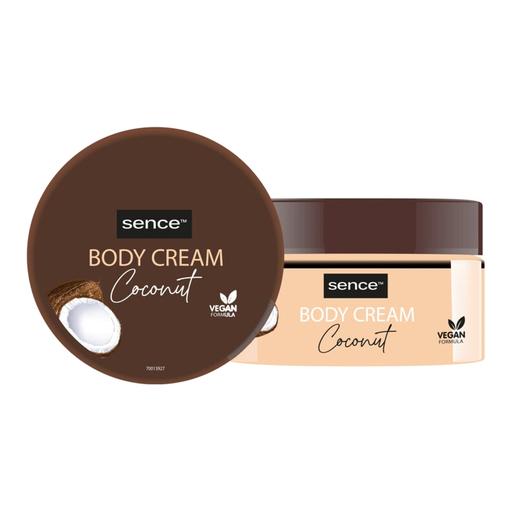
Why it suits this profile: A simple body cream for everyday use, with a 200 ml size and a coconut fragrance for anyone who enjoys fragranced body care.
The product description clearly states that this is a body cream. This makes it less likely to be confused with a face cream.
200 ml size; creamy texture; coconut fragrance according to the product information.

Why it suits this profile: The gel cream texture is well suited to anyone looking for a face moisturiser that can be used during the day or underneath make-up.
The product details describe the formula as gel-based, fragrance-free and non-comedogenic. Always check the current packaging and ingredients list.
30 ml; gel cream for the face; according to the brand’s product information, suitable for dry, combination and oily skin.
We have put together a complete, up-to-date list of products that fully meet these strict selection criteria and the applicable European safety regulations.
Apply face cream to cleansed skin. A small amount is usually enough; using more product does not automatically mean more hydration. For a body cream, applying it after showering is often ideal, while the skin is not yet completely dry. You can reapply hand cream after washing your hands or doing household chores.
Try a new product on a small area of skin first, particularly if you have sensitive skin or the formula contains fragrance, acids or multiple plant extracts. Stop using it if you experience a burning sensation, itching, swelling or persistent redness.
That depends on the product and your skin. Face cream is often used in the morning and evening, while body cream once a day or as needed is usually sufficient. Follow the instructions for use on the packaging.
Look for the symbol showing, for example, 6M or 12M. This indicates the recommended period after opening. If this information is missing, check the packaging and look out for changes in scent, colour or texture. Do not continue using a cream if the formula has clearly changed.
No. The right choice mainly depends on the intended use, ingredients, texture, size and your preference for fragrance. An affordable body cream can be practical for everyday use, while a smaller face cream may be better suited to a specific routine. So compare the product specifications rather than focusing only on the brand name.
