
Vandaag of morgen in huis

Kwaliteit gegarandeerd

Welkomstaanbiedingen ontgrendelen: GRATIS bezorging | Tot 80% korting | Gratis 30 dagen JoyPlus-proefperiode
Download de app
A moisturising cream for face and body seems like a simple purchase – until you have to choose between a light gel, a rich body cream, a barrier cream or a tinted face cream with SPF. A product that feels lovely on your hands can feel too heavy on your face. And a cream with a bold claim won't automatically suit your skin type.
The following pitfalls are common:
A cream with glycerine helps to attract and retain moisture. Urea is often used in products for dry or very dry skin. The percentage matters: a formula with 10% urea is not the same as a cream with 15% urea.
Panthenol appears in various nourishing formulas and is often combined with glycerine. Vitamin E and plant oils mainly contribute to a feeling of nourishment. A barrier cream also often contains ingredients that leave a protective layer on the skin, such as certain oils, waxes or silicones.
Also pay attention to the full ingredients list. A fragrance-free formula can be a logical choice if you react quickly to fragrances. That doesn't mean every fragranced cream is unsuitable, but it does mean you should match the formulation to your own experience.
For legs, elbows and hands, a rich body cream can be lovely. For daytime use on the face, many people prefer a lighter face cream that absorbs quickly and works well under make-up. A gel cream can suit oily or combination skin, while a rich, nourishing face cream offers more comfort when your skin feels tight.
Also check the size. A 400 ml pack is practical for daily use on the body. A 15 ml or 30 ml tube is handier for carrying in a handbag, taking on holiday or trying out a product first.
According to the product description from NIVEA, several Repair & Care formulas provide up to 72 hours of hydration. For the urea variant, this is linked to a self-assessment with 41 volunteers, in which the measurement took place 72 hours after two weeks of use. For another variant, an instrumental test with 33 or 34 participants is mentioned.
These are useful data points, but not a guarantee for every user. Also look at the frequency of use, the skin type mentioned in the product description and any warnings. If irritation occurs, stop using it. For persistent skin problems, advice from a doctor or pharmacist is wiser than trying yet another cream.
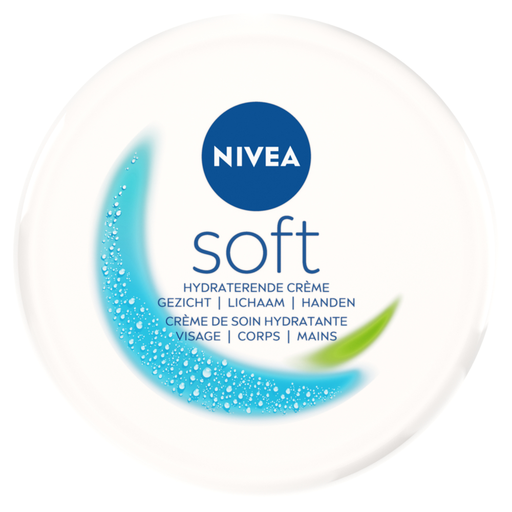
Why this fits the profile: This versatile cream is designed for face, body and hands. That makes it practical when you want to start your daily routine with just one pot.
The product description mentions a light, fast-absorbing formula. Do check whether fragrance and alcohol denat. suit your skin.
Contains glycerine, vitamin E and jojoba oil; suitable for daily use on face, body and hands.
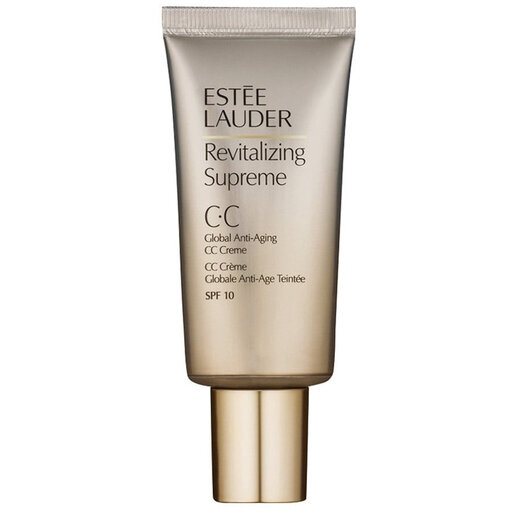
Why this fits the profile: A compact CC cream for adults who want to combine care, an even complexion and a make-up base.
The SPF value is clearly stated. However, SPF 10 is not a replacement for separate sun protection during prolonged exposure.
Contains hyaluronic acid according to the product description; micro-pigments are designed to adapt to your skin tone.
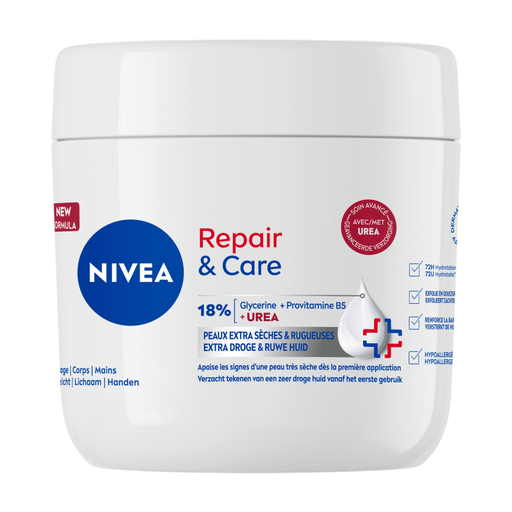
Why this fits the profile: Aimed at those looking for an intensely moisturising cream for very dry and rough body skin, with a generous pack for regular use.
The urea and glycerine content is clearly stated. The formula also contains fragrance, so check the ingredients if you have sensitive skin.
Contains 18% glycerine, provitamin B5 and urea according to the product information; 400 ml content.
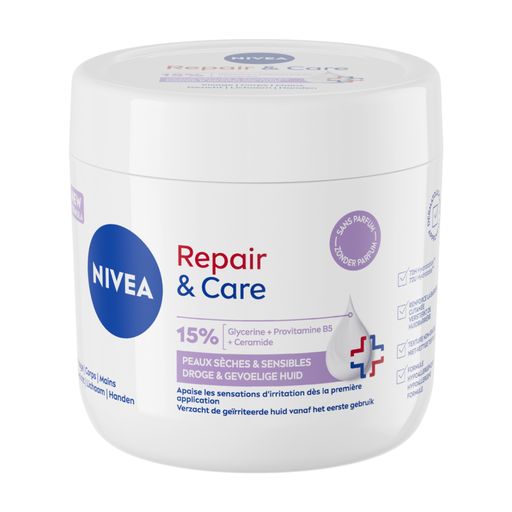
Why this fits the profile: The fragrance-free formula is designed for daily use on dry and sensitive skin, for example on arms, legs and hands.
The product information explicitly states a fragrance-free formula. Still, test a small area of skin first if your skin is sensitive.
Contains 10% glycerine and panthenol according to the product description; 400 ml pack.
We've put together a full, up-to-date list of products that fully meet these strict selection criteria and current European safety regulations.
Apply a body cream after showering when your skin is still slightly damp. Use a small amount on dry areas and only add more when needed. For the face, a pea-sized amount is often a practical starting point; spread the cream over your forehead, cheeks, nose and chin.
A cream with urea, acids or vitamin C can feel different from a simple face cream. When trying new products, start with a small amount. Don't combine an exfoliating body cream directly with several other active products if you don't know how your skin will react.
With an anti-ageing cream, BB cream or CC cream, pay particular attention to the purpose: hydration, colour correction, coverage or protection. A tinted cream doesn't automatically replace a separate moisturiser. A product with SPF also depends on the amount applied and reapplication.
It can be, especially when the product description mentions both areas of use. Pay attention to texture, fragrance and ingredients. Dry body skin may need a richer body cream than the face.
That depends on your skin and the product. Daily use after washing or showering is a practical starting point. If you have dry skin, you can reapply to dry areas when they feel tight.
Check the expiry date, batch number and the symbol for the period after opening on the packaging. Store the cream according to the instructions, close the pot or tube properly and stop using the product if the smell, colour or texture clearly changes.
