
Vandaag of morgen in huis

Kwaliteit gegarandeerd

Welkomstaanbiedingen ontgrendelen: GRATIS bezorging | Tot 80% korting | Gratis 30 dagen JoyPlus-proefperiode
Download de app
Buying a moisturising cream seems simple, until you’re looking for something for dry, sensitive or dehydrated skin. A light gel may feel pleasant but offer too little protection. A rich cream, on the other hand, can feel greasy for a long time. Terms such as “intense hydration”, “barrier repair” and “anti-ageing” only tell you so much unless you check the ingredients and intended use.
That’s why the Joybuy Product Recommendation Officer filters out the most important information from product descriptions. This helps you compare a moisturising face cream, moisturising body cream or hand cream based on features that matter for everyday use.
A cream may feel soft or smooth straight away thanks to oils, silicones or other emollient ingredients. That doesn’t automatically mean it will help the skin retain moisture for longer. So look for a combination of:
A good moisturising cream doesn’t need to contain every category in the same proportions. A light face cream usually needs a different texture from a cream for rough hands.
A product description may say that a cream is suitable for all skin types, but your own preferences still matter. For example, sensitive skin may not respond well to fragrance or fragrance allergens. A heavy body cream may also feel unpleasant on the face if you have oily or combination skin.
Always check the full ingredients list. When choosing a cream for sensitive skin, look not only for soothing ingredients but also for potential fragrances. A fragrance-free product isn’t automatically suitable for everyone, but it may be an important selection criterion.
According to a brand’s own research, ingredients such as Q10, niacinamide, centella asiatica or hyaluronic acid may help give the skin a cared-for appearance. This is a brand claim, not a guarantee for every skin type. So treat terms such as “anti-ageing hand cream”, “soothing cream” and “repair cream” as indications of intended use, not guaranteed results.
First, decide where you’ll use the cream:
A barrier cream is particularly worth considering if you’re looking for a protective layer and richer care. A less greasy formula may be more practical during the day.
Hyaluronic acid comes in different forms, such as sodium hyaluronate, hydrolyzed hyaluronic acid and crosspolymers. The presence of several forms is a verifiable product specification, but it doesn’t, by itself, tell you how your skin will respond. A hyaluronic acid cream also works best as part of a complete routine with gentle cleansing and, if needed, a cream to seal in moisture.
Also look out for:
If you have sensitive skin, test the product on a small area first. Stop using it if you experience redness, itching, a burning sensation or swelling, and consult a doctor if necessary.
Don’t compare only the price of the jar or tube; check the amount as well. You’ll use a 50 or 60 ml face cream differently from a 200 or 400 ml body cream. Check the expiry information and the period-after-opening symbol on the packaging. Store the cream in a cool, dry place away from direct sunlight, and close the packaging securely.
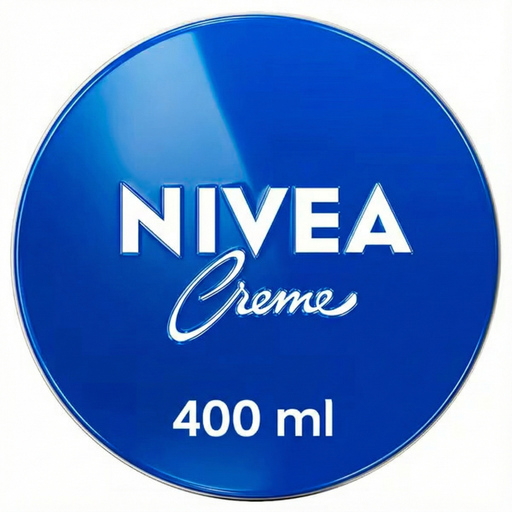
Why it suits this profile: The 400 ml pack is practical for everyday use on the face, body and hands, depending on your skin preferences.
The ingredients list is available and includes panthenol, glycerine and fragrances such as limonene and geraniol. This lets you check in advance whether the formula suits you.
400 ml; contains glycerine and panthenol; described as suitable for everyday use.
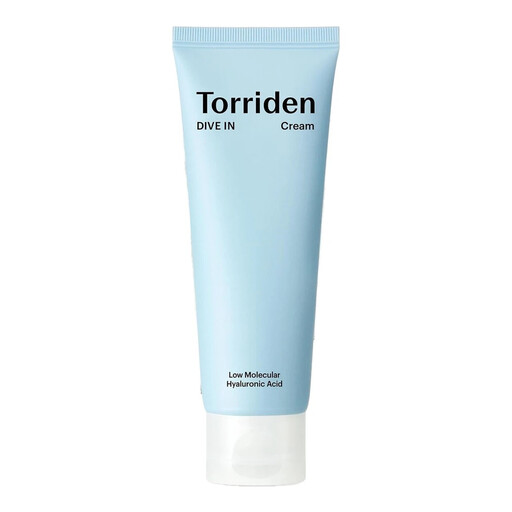
Why it suits this profile: A good option if you’re looking for a Korean skincare cream with several forms of hyaluronic acid and want to use a daily face cream.
The formula lists several forms of hyaluronic acid, glycerine, ceramide NP and allantoin. If you’re sensitive to plant extracts or other ingredients, check the full list.
80 ml; several forms of hyaluronic acid; jojoba, macadamia and argan oils in the ingredients list.
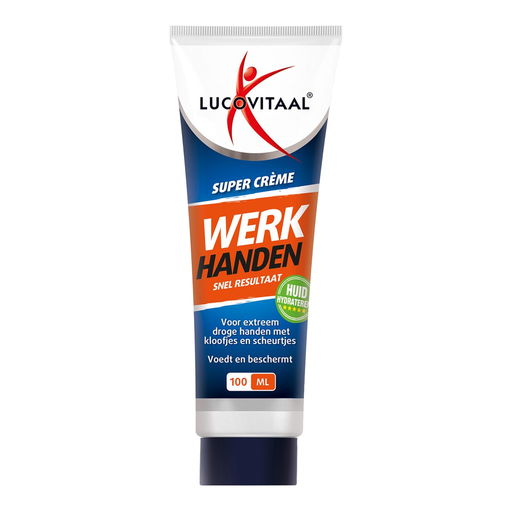
Why it suits this profile: Designed for adults with dry, rough hands after housework, gardening, DIY or other intensive hand use.
The product description lists shea butter, glycerine, dimethicone and macadamia oil. The usage advice recommends applying it daily to dry hands.
100 ml; contains shea butter, glycerine and dimethicone; listed as paraben-free in the product information.
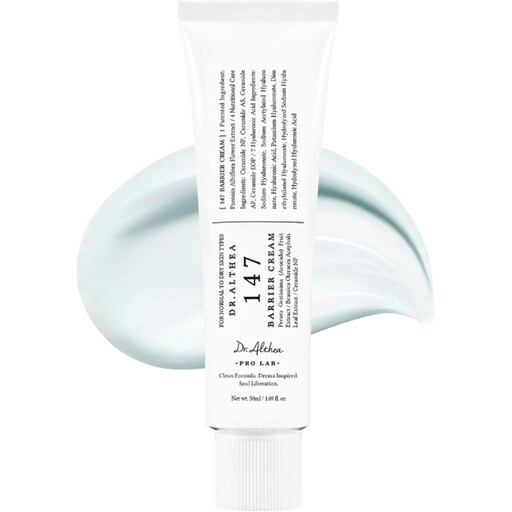
Why it suits this profile: A good fit if you’re looking for a richer Korean face cream with hyaluronic acid and ceramides, formulated with barrier care in mind.
The product description mentions seven types of hyaluronic acid and ceramides. The claims about soothing and redness come from the brand and shouldn’t be taken as a guarantee.
50 ml; seven listed forms of hyaluronic acid; ceramides and vitamin E according to the product description.
We’ve put together a complete, up-to-date list of products that meet these strict selection criteria and the applicable European safety requirements.
That depends on the product and your skin. Many creams are designed for everyday use, for example after cleansing your face or washing your hands. Apply a small amount and add more later if needed. Always follow the instructions on the packaging.
If you’re looking for a cream for dry skin, look for glycerine, panthenol, ceramides, shea butter or squalane. If you have sensitive skin, it’s worth checking carefully for fragrance and known fragrance allergens. Test a new product on a small area first, and don’t apply cream to damaged skin unless the packaging says you can.
Check the expiry date and the period-after-opening symbol on the packaging. How long a product lasts varies. Keep your moisturising cream closed and store it in a cool, dry place. Has the smell, colour or texture changed? It’s best not to use the product any more.
