
Vandaag of morgen in huis

Kwaliteit gegarandeerd

Welkomstaanbiedingen ontgrendelen: GRATIS bezorging | Tot 80% korting | Gratis 30 dagen JoyPlus-proefperiode
Download de app
Choosing a moisturising cream seems simple, until you’re faced with a shelf full of jars, lotions and gel creams. One formula can feel dry again after a few minutes, while another leaves a greasy film. Terms such as “intensive hydration”, “sensitive skin” and “restoring the skin barrier” only tell you so much, too. Check the ingredients, directions for use and safety information to find out what they really mean.
This buying guide will help you choose a face cream, body lotion or hydrating face cream based on verifiable product information.
A brand might claim to offer 24-hour hydration, soothe the skin or restore the skin barrier. That doesn’t mean every user will get the same results. Check which ingredients and directions for use are actually listed. It’s especially important to read the leaflet for products with medical claims.
A rich cream for dry skin can feel soothing on dry patches, but heavy on oily or combination skin. A lightweight gel cream usually absorbs more quickly, but may feel less comfortable on very dry skin. So don’t just look for “moisturising”: check the texture description and areas the product is intended for, too.
Some products are made specifically for the face, while others are intended for the body or feet. A body lotion may come in a larger pack and have a different formula from a face cream. If you’re looking for a cream for sensitive skin, check for fragrance, essential oils and preservatives as well.
Glycerin, panthenol, betaine, hyaluronic acid and sodium hyaluronate are commonly found in moisturising creams. These ingredients are used in cosmetic formulas to leave skin feeling more hydrated. Ceramide NP, oils and occlusive ingredients such as petrolatum or dimethicone can help slow moisture loss.
That doesn’t mean every formula works in the same way. Check the full ingredients list and make sure the cream suits your preference for a lightweight or rich texture.
A fast-absorbing, non-greasy cream can be practical for daytime use or under make-up. A gel cream is often a good choice if you want a fresh feel, while a thicker cream is better suited to dry areas, hands, elbows or feet. Look out for terms such as:
Check whether the product is intended for your face, body, feet or a specific skin concern. Avoid contact with your eyes and stop using it if you experience irritation, redness or swelling. A medical device may be relevant for eczema or psoriasis, but use it according to the leaflet and ask a doctor to assess any persistent symptoms. A cream is not a substitute for a medical diagnosis or treatment.
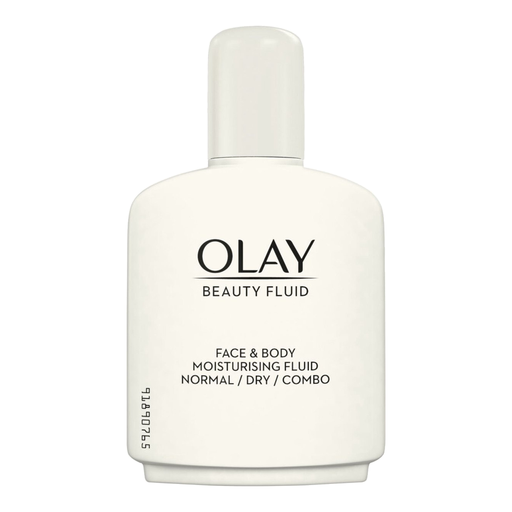
Why it suits this profile: This lotion is made for the face and body, with a lightweight, fast-absorbing formula. That makes it a practical choice as your first daily moisturiser.
The product information states that it is suitable for the face and body, absorbs quickly and feels non-greasy. If you have sensitive skin, check whether it contains fragrance.
100 ml, contains glycerin, suitable for daily use and can be worn under make-up as a base, according to the product description.
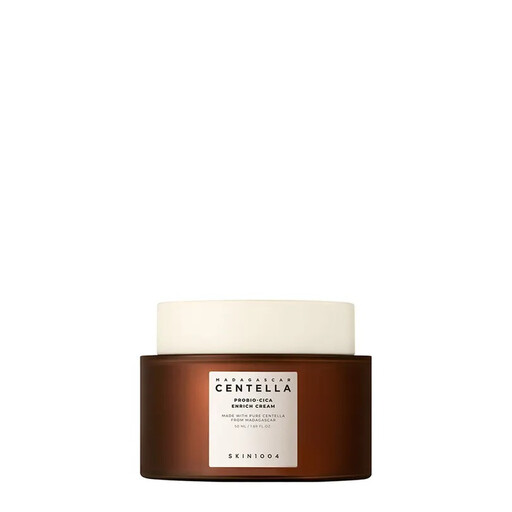
Why it suits this profile: The formula contains glycerin, niacinamide, shea butter and Ceramide NP, among other ingredients. It’s a good match for anyone looking for a richer face cream for dry or sensitive skin.
The ingredients list lets you check the rich formula for yourself. This cream isn’t a lightweight gel cream, so it’s best suited to anyone looking for a fuller finish.
50 ml, with Ceramide NP and shea butter listed in the ingredients; dermatologically tested according to the product information.
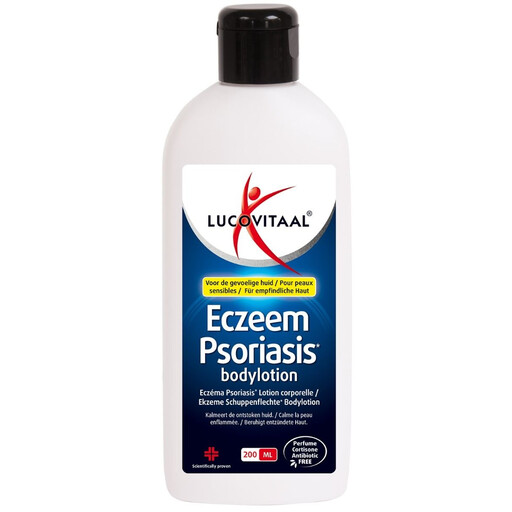
Why it suits this profile: According to the product information, this body lotion is intended for adults with eczema- or psoriasis-related skin conditions diagnosed by a doctor.
The intended use and medical status are clearly stated. Don’t use this product as a substitute for a diagnosis, and always read the directions for use.
200 ml, fragrance-free according to the product details and intended for daily use on affected areas of the body.

Why it suits this profile: The product description highlights a lightweight gel texture and says it is intended for oily or combination skin. It’s a good fit if you want hydration without a heavy feel.
The gel texture helps you avoid automatically choosing a heavy cream for oily skin. If you have sensitive skin, check the full product information, too.
100 ml, a gel cream for the face and neck, with red bean extract and a lightweight finish according to the product description.
We’ve put together a full, up-to-date list of products that meet these strict selection criteria and the applicable European safety requirements.
It depends on the product and your skin’s needs. Face cream is often used after cleansing, in the morning and sometimes in the evening. Always follow the directions for use. You can apply body lotion to clean, dry skin, for example after showering.
Check the expiry date and the period-after-opening symbol on the packaging. Store the cream in a cool, dry place, away from direct sunlight, and keep the packaging tightly closed. A change in smell, colour or texture may be a reason to stop using the product.
Look for a short, clear ingredients list and check whether the product contains fragrance or essential oils. Test a new product on a small area of skin first. If irritation or swelling persists, or your symptoms get worse, stop using it and seek medical advice.
