
Livraison le jour même et le lendemain

Qualité garantie

Débloquez vos offres de bienvenue: Livraison GRATUITE | Jusqu'à -80 % | 30 jours d'essai gratuits à JoyPlus
Téléchargez l'application
A moisturising cream for face and body might seem simple to pick. Yet many shoppers end up with several pots in the bathroom: a body cream, a face cream and a hand cream, each making its own promise. A multi-purpose cream can be more convenient, but only if the texture, ingredients and protection suit your skin and daily routine.
Claims like 48 or 72 hours of hydration sound clear, but they don’t automatically mean you can go days without applying cream. The real experience depends on factors such as showering, hand washing, the season and how dry your skin is. So treat such a number as a product claim from the brand, not a guarantee for every user.
An intensely moisturising cream can be lovely for dry elbows, hands or heels, but on the face a heavy formula may feel less comfortable. If you want to apply make-up straight away, a light face cream that absorbs quickly is usually better. For night-time or rough patches, a nourishing cream can be more suitable.
Natural ingredients aren’t automatically free of fragrances or allergens. In product descriptions, for example Weleda Skin Food, plant extracts and natural ingredients are listed, but so is a fragrance profile. Always check the full ingredients list and, if you have sensitive skin, do a patch test first.
Look at the description of the formula:
Quick absorption is a practical feature, but it doesn’t automatically tell you how much nourishment or protection the skin gets.
Glycerin is a commonly used moisturising ingredient. Oils and butters, such as jojoba oil, almond oil or shea butter, can make the formula feel richer. Panthenol, vitamin E, hyaluronic acid and ceramides also appear frequently in skincare.
Also check whether the ingredients list contains perfume and fragrances, such as limonene, linalool or citronellol. This is especially relevant if you’ve reacted to fragranced products before. A dermatologically tested skin tolerance, as mentioned in some product descriptions, is no guarantee that everyone will tolerate the product without a reaction.
Compare the size with your usage:
A cream with SPF can be handy as a day cream, but a low SPF doesn’t always replace a separate sun product. For children or prolonged sun exposure, a dedicated sunscreen with appropriate protection makes more sense. Always check the stated SPF and application instructions on the packaging.
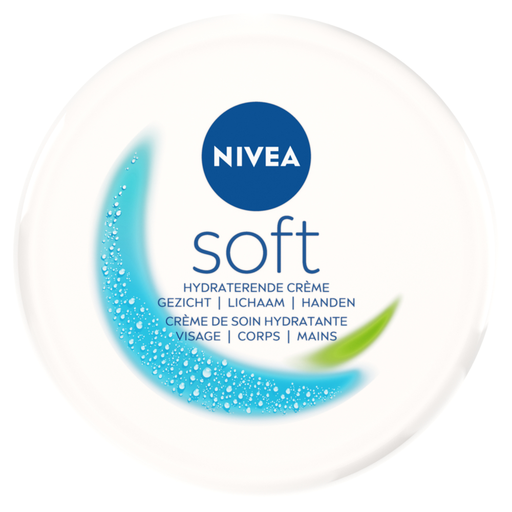
Why this fits the profile: This multi-purpose cream is designed for face, hands and body. The light formula with vitamin E and jojoba oil is practical if you want to start with just one product.
The product description mentions a fast-absorbing, non-sticky texture. Do check the fragrance components if you’re sensitive to them.
200 ml size; suitable for face, hands and body; contains glycerin, vitamin E and jojoba oil according to the ingredients list.
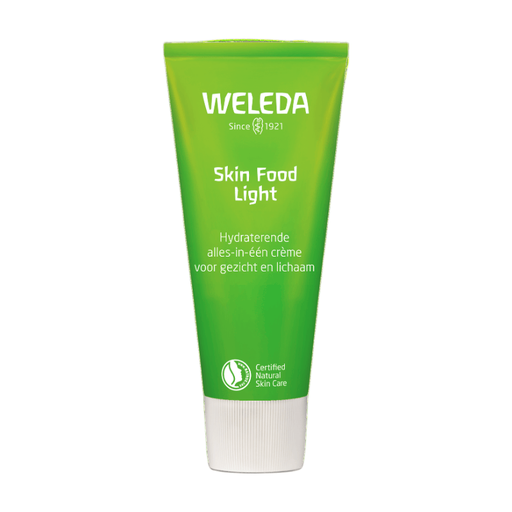
Why this fits the profile: If you’re after a natural face and body cream, this lighter version is ideal for dry skin and daily use. According to the product description, it carries the Natrue label.
The light version stops you from choosing a very thick cream for daytime use straight away. The stated fragrance of orange, lavender and benzoin resin remains something to be aware of.
75 ml; for face and body; light formula; natural ingredients according to the product information.
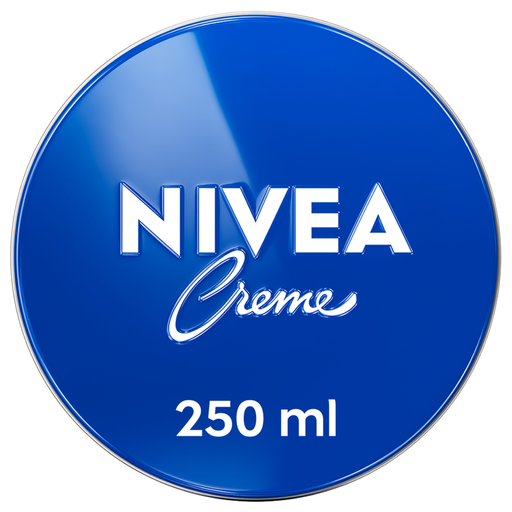
Why this fits the profile: This rich cream suits users who mainly want to care for dry areas like hands, feet, knees and elbows.
The rich texture makes its use clearer: apply to dry patches rather than automatically all over the face if you expect a light finish.
250 ml; suitable for face, hands and body; contains among others glycerin, panthenol and oils according to the product list.
Apply a small amount to clean, dry skin and massage in gently. After showering, body cream can help prevent a dry feeling, while hand cream may need to be reapplied after frequent washing. Use less product on the face than on, say, the elbows; a thin layer prevents a heavy or sticky sensation.
Keep the following points in mind:
We’ve put together a full, up-to-date list of products that fully meet these strict selection criteria and comply with current European safety regulations.
It can be, if the product packaging states this and the texture feels right for your skin. A light cream like NIVEA Soft is described as suitable for multiple body parts. For very dry patches, a richer body cream may be more practical.
Check the shelf-life information and the symbol for the period after opening on the packaging. Store the cream in a cool, dry place, close the pot or tube properly and use clean hands. A change in smell, colour or texture is a reason to stop using the product.
Not always. A multi-purpose skincare product can be enough for daily use. A separate hand cream is especially handy if your hands are washed often, you work outdoors or they feel extra dry. Choose based on texture, fragrance and the level of nourishment you want.
