
Livraison le jour même et le lendemain

Qualité garantie

Débloquez vos offres de bienvenue: Livraison GRATUITE | Jusqu'à -80 % | 30 jours d'essai gratuits à JoyPlus
Téléchargez l'application
A moisturising cream for face and body might seem like a straightforward product. But textures, ingredients, areas of use and sun protection can vary considerably. A cream that feels good on your hands, for example, might be too rich for your face. A lightweight lotion might also not be enough for very dry patches.
Packaging often features claims such as “24, 48 or 72 hours of hydration”. According to brands’ own product information, these results come from specific usage or instrumental tests. Your experience may vary depending on your skin type, the season and how much product you apply. So, take a look at the formula too: glycerine helps attract moisture, while oils, waxes and butters can leave skin feeling richer.
A cream for all skin types is handy for everyday use, but may not suit every face. Fragranced formulas may be less suitable if you’re sensitive to fragrance. Check the ingredients list for perfume and fragrance ingredients such as limonene, linalool or citronellol. If you have sensitive skin, it’s a good idea to try a small amount on a limited area of skin first.
A cream with SPF 15, such as the NIVEA Soft Daily UV Body Cream, offers protection against UVA and UVB rays according to its product description. However, the level of protection depends on applying enough and reapplying the product. For extended sun exposure, days at the beach or intensive outdoor exercise, a separate sun cream with a suitable SPF is often more practical. An ordinary moisturising cream without SPF offers no protection against UV rays.
First, decide where you want to use the cream:
So, the same cream can have several uses, but that doesn’t mean it will feel equally comfortable for everyone in every area.
A lightweight emulsion usually absorbs more quickly and works well for daytime use or under make-up. A thick, occlusive cream can be useful for rough patches or overnight care. Look out for terms such as “lightweight formula”, “non-greasy” and “rich cream” in product descriptions. These describe the texture and user experience; they’re not a guarantee that the product will suit every skin type.
Check the full ingredients list on the packaging. Also look out for:
A large jar often costs less per millilitre, but a tube is more hygienic and easier to carry around. If you’re unsure, try a smaller size first.
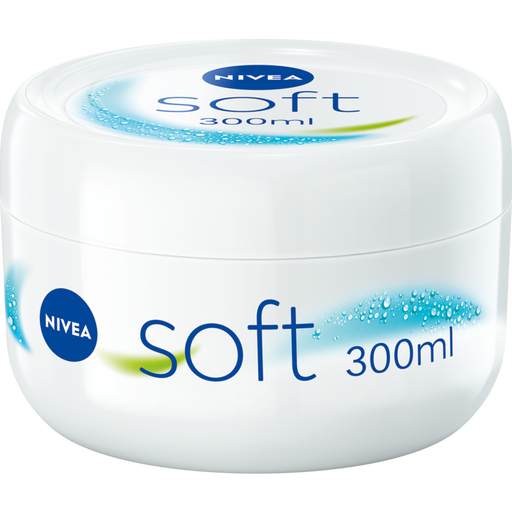
Why it suits this profile: A multi-purpose cream for face and body in a generous size. According to NIVEA, the formula contains vitamin E and 100% natural jojoba oil, and absorbs quickly.
The product information clearly states that it’s for face and body, so you don’t need to buy several formulas. Do check that the fragrance and texture suit your skin.
300 ml; lightweight texture; jojoba oil and vitamin E according to the ingredients list.
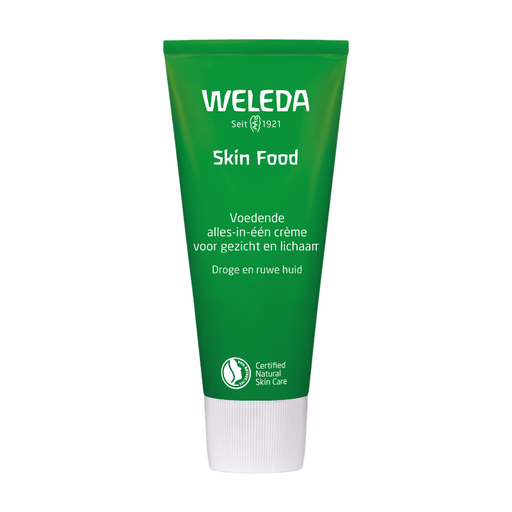
Why it suits this profile: A rich, nourishing skin cream for dry areas on the face, hands and body. According to Weleda, the formula contains 100% natural ingredients and the product carries the NATRUE label.
The rich texture makes it clear what this product is designed for: it’s not an ultra-light lotion. That makes it a more logical choice for dry patches and overnight care than for anyone looking for a completely matte finish.
For face and body; rich formula; 75 ml; NATRUE label according to the product information.
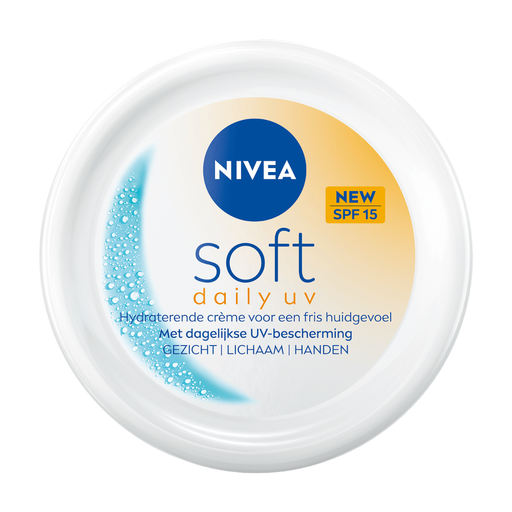
Why it suits this profile: Suitable for anyone who wants to combine daily skincare with a product that, according to NIVEA, contains SPF 15 and UVA/UVB filters.
The SPF is clearly stated in the product name and description. Don’t expect it to fully replace sun cream during extended sun exposure.
SPF 15; suitable for face, body and hands according to the product information; lightweight texture.
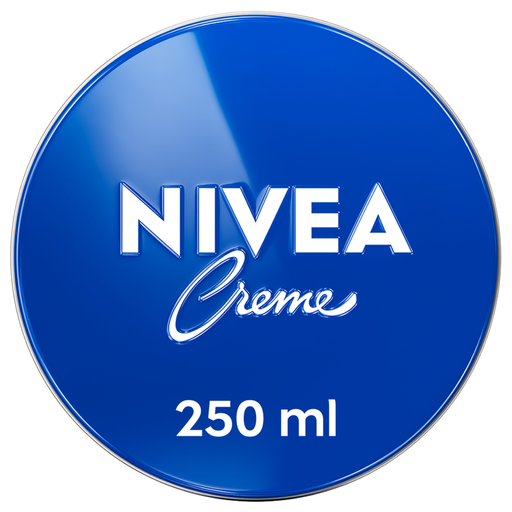
Why it suits this profile: A compact, multi-purpose cream for face, hands and body. According to NIVEA, the rich formula is designed for all skin types and dry areas.
The product information clearly describes the rich texture. This helps avoid disappointment for anyone looking for a body lotion that absorbs quickly.
250 ml; for face, hands and body; panthenol and oils in the ingredients list.
We’ve put together a complete, up-to-date list of products that meet these strict selection criteria and the applicable European safety regulations.
Face creams often have a lighter texture and are formulated for everyday use on the face. Body creams can be richer and are designed for larger areas of skin. A multi-purpose cream can work for both, but check the ingredients and texture before using it on your face too.
Check the expiry date and the open-jar symbol on the packaging. Store the cream as directed, for example at room temperature and out of direct sunlight. A change in smell, colour or texture may be a reason to stop using the product.
That depends on how much sun you’re exposed to each day. A cream with SPF can be handy for short periods outdoors as part of your daily routine. For intense or prolonged exposure, a separate sun cream with a suitable SPF is recommended. An ordinary moisturising cream without SPF does not protect against UV rays.
