
Vandaag of morgen in huis

Kwaliteit gegarandeerd

Welkomstaanbiedingen ontgrendelen: GRATIS bezorging | Tot 80% korting | Gratis 30 dagen JoyPlus-proefperiode
Download de app
A moisturising cream for your face and body sounds practical: one product for your face, hands, elbows and legs. However, not every cream is suitable for every use. A rich body cream may feel heavy on your face, while a fast-absorbing face cream may be too light for very dry knees or heels.
Product information also regularly contains claims that should be read carefully. Below, you’ll find the key points to consider, along with some popular options based on verifiable specifications.
Claims such as “24, 48 or 72 hours of hydration” are properties attributed to the product by the brand. According to the brands’ own product information, these creams provide hydration for the stated period. Your actual experience may vary depending on your skin type, the season and how much product you use.
So also consider:
A cream for all skin types can be a useful everyday basic, but sensitive skin may still react to perfume, essential oils or certain preservatives. Always check the full ingredients list. For dry skin, for example, glycerine, shea butter and plant oils are relevant ingredients to look out for.
Natural skincare is not necessarily fragrance-free either. Plant extracts and natural fragrance ingredients may also be unsuitable for some users.
The skin on your face may become shiny or feel heavy more quickly when you use a rich cream. Hands, feet and elbows often benefit from a nourishing skin cream that stays on the skin for longer. A versatile cream is therefore particularly useful when you like the texture on several areas of your body.
For everyday skincare, you may wish to look out for:
An ingredients list doesn’t tell you everything about how a product feels, but it can help you compare marketing language with the actual formulation.
If you want to get dressed quickly in the morning, you’ll often prefer a fast-absorbing cream or lotion. A rich cream may be more suitable for the evening, dry hands or rough patches. In the product description, look for words such as “light”, “fluid”, “non-greasy” and “rich formula”. These are product descriptions, not a guarantee that the cream will feel the same to everyone.
A 200 or 300 ml tub is practical for using on the body at home. A 75 ml tube is easier to carry in a handbag or wash bag. A larger pack may offer better value for a family, but also check the period of use after opening. Only use cosmetics as directed on the packaging and stop using the product if irritation occurs.
The selection below is based on the stated volume, ingredients, intended uses and texture. Brand claims, such as the number of hours of hydration, are presented as product information and not as a universal guarantee.
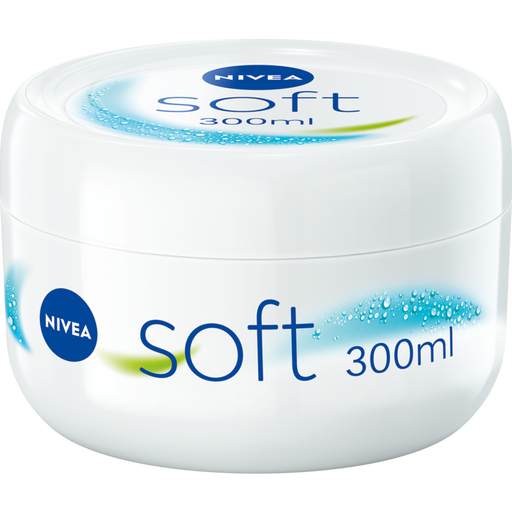
Why it suits this profile: The 300 ml pack is suitable for daily use on the face, hands and body, for example at home with several family members.
The product description mentions a light, non-greasy formula. However, check the ingredients list if you prefer to avoid perfume or alcohol denat.
300 ml volume; with glycerine, vitamin E and, according to the product information, 100% natural jojoba oil; suitable for the face, hands and body.
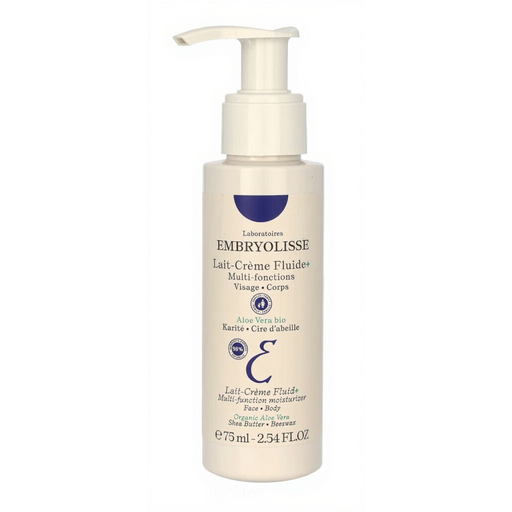
Why it suits this profile: The fluid texture is practical if you’re looking for one compact product with several uses in your daily routine.
The 75 ml pack means you don’t have to buy a large tub before discovering whether you like the fluid texture. However, the formula does contain perfume.
According to the product information, 98% of the ingredients are of natural origin; it contains aloe vera, shea butter and beeswax; intended for the face and body.
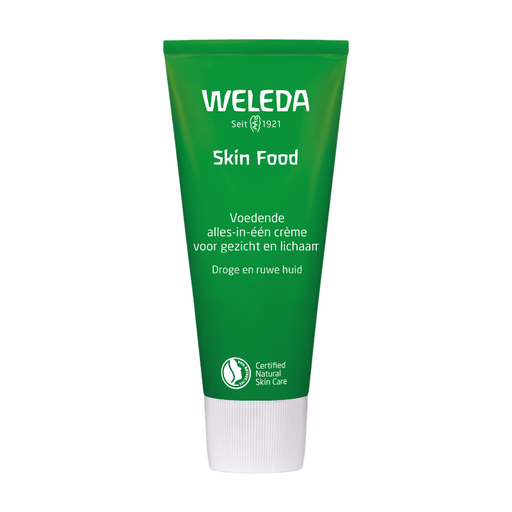
Why it suits this profile: This rich formula is designed for dry and rough areas such as hands, elbows, feet and certain areas of the face.
The rich texture makes it clear that this is not a lightweight body lotion. If you want a non-greasy feel quickly, you may prefer a fluid or light cream.
According to the product information, the ingredients are 100% natural; suitable for the face and body; contains calendula, chamomile and pansy, among other ingredients.
We’ve put together a complete, up-to-date list of products that fully meet these strict selection criteria and the applicable European safety regulations.
Apply a moisturising cream to clean, dry skin. After showering, your skin may still contain some moisture; gently patting it dry before applying the cream can help maintain a comfortable skin feel. Use a small amount on dry areas and only apply more if needed.
For your face, it’s sensible to try a small amount first. Avoid contact with the eyes and don’t apply cream to damaged skin unless the packaging explicitly says that you can. A moisturising cream also doesn’t replace sun cream. During the day, use a product with suitable UV protection when you’re outdoors.
You can if the packaging states that it’s suitable for all three areas and the texture feels comfortable. Body cream is often richer than face cream. If you have sensitive skin, it’s a good idea to check the ingredients list and test the product on a small area first.
This varies from product to product. Check the open-jar symbol on the packaging, such as 12M, and follow the stated expiry date. Store the cream in a cool, dry place away from direct sunlight and heat. If the smell, colour or texture changes, it’s best to stop using the product.
A natural formula may contain plant oils, butters or extracts that suit dry skin. However, this is not a guarantee for every user. Always check the ingredients and look out for natural fragrances too. Above all, choose a texture you’ll use consistently: light for daytime or richer for dry areas and the evening.
