
Livraison le jour même et le lendemain

Qualité garantie

Débloquez vos offres de bienvenue: Livraison GRATUITE | Jusqu'à -80 % | 30 jours d'essai gratuits à JoyPlus
Téléchargez l'application
Dry or sensitive skin does not automatically require the most expensive pot of cream. The difference often lies in the combination of hydrating ingredients, occlusive oils and fats, texture and fragrance. A face cream for dry skin may feel pleasant on the cheeks but be too heavy for daytime use. A moisturising body cream may be practical and affordable, yet less suitable for the face.
As the Joybuy Product Recommendation Officer, I filter product information based on verifiable features. This helps you see which cream suits your skin type, routine and time of use — without taking marketing claims as the starting point.
A product with a notable percentage of glycerine, urea or hyaluronic acid may sound appealing. However, one ingredient alone does not determine how the cream feels or who it is suitable for. The full ingredients list, the ingredient’s position in that list and its combination with oils or silicones provide more context.
For example, according to the product description, NIVEA Repair & Care Urea Body Cream contains 18% glycerine, provitamin B5 and urea. The cream is intended for very dry and rough body skin. This makes the information relevant, but it does not guarantee that everyone will have the same experience.
Always check the ingredients list. Some creams described as nourishing or soothing contain fragrance or essential oils. Dear, Klairs Rich Moist Soothing Cream, for example, contains lemon, lavender, orange, geranium, ylang-ylang and eucalyptus oils, among others. If you prefer to avoid fragrance or scented ingredients, it may therefore be better to choose another option.
A fragrance-free cream is not necessarily suitable for every user, but the absence of fragrance can be a practical selection criterion for skin that reacts easily.
An intensely moisturising cream containing shea butter, mineral oil or waxes can help limit moisture loss and make dry-feeling areas more comfortable. However, such a formula may feel heavy on oilier skin or under make-up. Pay attention to the balance between nourishment and absorption speed.
Various types of ingredients may be worth considering for dry skin:
A ceramide cream is particularly interesting if you are specifically looking for a cream to support the skin barrier. However, consider the full formula rather than just the name on the packaging.
A face cream for dry skin is usually formulated for use in smaller amounts and designed to feel cosmetically comfortable. Body skin can often tolerate a richer cream and requires a larger format for daily use.
For the body, products such as NIVEA Repair & Care Urea Body Cream or NIVEA Nourishing Body Milk are practical options to compare. According to the product information, NIVEA Body Milk contains glycerine, sodium hyaluronate and almond oil, among other ingredients. The formula is intended for dry to very dry skin and is described as lightweight and fast-absorbing.
Check the current packaging and ingredients list before ordering, particularly if you have sensitive skin or known allergies. Products containing fragrance, essential oils or fragrance allergens are not suitable for every user.
If you are trying a new product, you may wish to carry out a small skin test first, following the instructions on the packaging. Stop using the product if you experience redness, swelling, itching or a burning sensation, and consult a doctor or dermatologist if symptoms persist. Cosmetics are not a substitute for medical treatment.
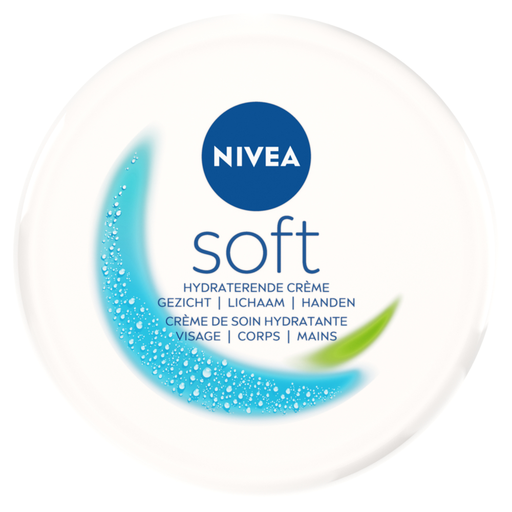
Why it suits this profile: A versatile 200 ml cream for the face, hands and body. The lightweight formula contains glycerine, jojoba oil and vitamin E and is intended for daily use.
The product information states that it has a fast-absorbing texture, so you do not need to choose a heavy body butter straight away for daily use. However, please note that the ingredients list contains fragrance and fragrance allergens.
200 ml; suitable for several areas; glycerine and jojoba oil; according to the product description, dermatologically approved for skin tolerance.

Why it suits this profile: For anyone looking for a Korean skincare cream with a clear focus on ceramides and moisture retention. The formula contains squalane, panthenol, cholesterol, ceramides and several forms of hyaluronic acid, among other ingredients.
The ingredients list shows that the cream does not rely on just one popular ingredient. The product information also mentions a patch test and use on sensitive skin.
80 ml; ceramide NP, NS, AP, AS and EOP; hyaluronic acid in several forms; according to the product information, tested as hypoallergenic and non-comedogenic.
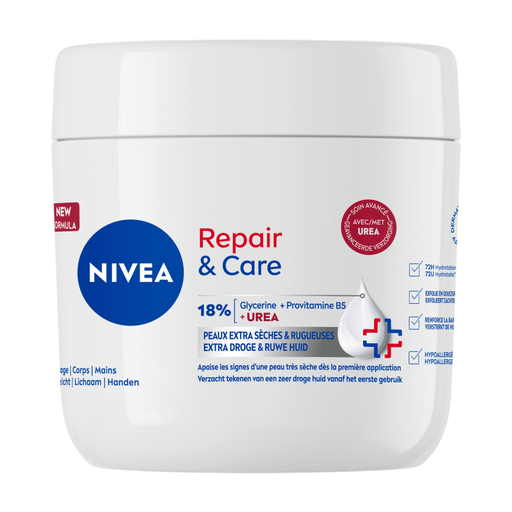
Why it suits this profile: Designed for very dry and rough areas of the body, such as the legs, elbows and hands. The 400 ml packaging is practical for daily use and generous application.
The formula is not based solely on a general moisture claim: the ingredients list includes glycerine, urea, panthenol, shea butter and sodium lactate. However, the cream does contain fragrance, which is important to consider if you have sensitive skin.
400 ml; 18% glycerine according to the product description; contains urea and provitamin B5; dermatologically approved for skin tolerance according to the manufacturer.
Apply a face cream after cleansing, optionally after a toner or serum. A small amount is usually enough. For the body, applying cream straight after showering is often practical, while the skin is not yet completely dry. Do not rub rough areas vigorously; spread the cream gently.
If you want to use a hyaluronic acid cream, combine it with a cream that also contains caring or occlusive ingredients. Hyaluronic acid alone says little about how long the skin will continue to feel comfortable. During the day, separate sun protection may form part of your routine.
We have compiled a complete, up-to-date list of products that fully meet these strict selection criteria and the applicable European safety regulations.
Look for a richer formula containing ingredients such as glycerine, urea, panthenol, shea butter or other soothing oils and fats. According to the product description, a moisturising body cream such as NIVEA Repair & Care Urea Body Cream is designed for very dry and rough skin. If you have sensitive skin, always check whether the formula’s fragrance is suitable for you.
Ceramides are often used in products designed to support the skin barrier. The Ceramide Skin Barrier Moisturizer and Curel Intense Moisture Cream contain ingredients that fit this purpose. Suitability varies from person to person; follow the usage warnings and test a new product carefully first.
The shelf life is stated on the packaging. Check the expiry date or the period after opening, close the pot or tube properly and store the product somewhere cool and out of direct sunlight. A change in smell, colour or texture may be a reason to stop using the product.
