
Livraison le jour même et le lendemain

Qualité garantie

Débloquez vos offres de bienvenue: Livraison GRATUITE | Jusqu'à -80 % | 30 jours d'essai gratuits à JoyPlus
Téléchargez l'application
Choosing a hydrating face cream seems simple, until you’re standing in front of a shelf full of moisturisers. Gel, lotion, barrier cream, Korean skincare cream, ceramide cream and moisturiser with hyaluronic acid: the differences aren’t just in the packaging. Choose the wrong one and your skin could feel tight, look shiny or become irritated.
The most common pitfalls are:
A moisturiser with hyaluronic acid often contains ingredients that help retain water on the skin’s surface. Look for Hyaluronic Acid, Sodium Hyaluronate or a hydrolysed version in the INCI list, for example. Glycerine and panthenol are also commonly used in hydrating creams.
For dry skin, a formula with shea butter, squalane or plant oils may feel more comfortable than a very light gel. If you have oily or combination skin, a gel cream for the face may be a better match for the lightweight finish you’re after. This isn’t a hard-and-fast rule: personal preference and the seasons also play a part.
If your skin feels dry or tight, look for a barrier-repair cream with ceramides, cholesterol, fatty acids or panthenol. A ceramide cream doesn’t guarantee a particular result, but these ingredients are a good match for formulas designed to help retain moisture and keep skin comfortable.
For example, The Ceramide Skin Barrier Moisturizer lists ceramide NP, NS, AP, AS and EOP, alongside cholesterol, phytosphingosine and several types of hyaluronic acid. The product information recommends a patch test, especially if you have sensitive skin.
A rich cream may feel comfortable in the evening or on dry skin, while a gel cream can be easier to wear under sun cream or make-up. Check for fragrance, too. A fragrance-free face cream may be a sensible choice if you prefer to avoid fragranced products, but check the current ingredients list on the packaging.
Also look out for:
Cosmetic products sold in the EU must include safety information and an ingredients list, among other things. A product claim made by a brand remains that brand’s claim. Terms such as “dermatologically tested”, “hypoallergenic” or “non-comedogenic” may be used based on the brand’s own research or the product description; they don’t predict the same experience for everyone.
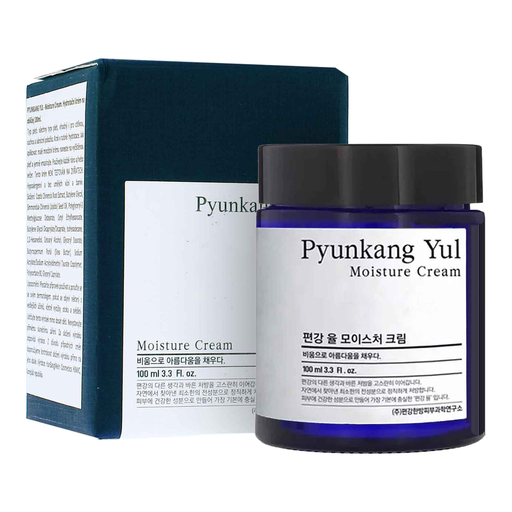
Why it suits this profile: The product description mentions a fragrance-free formula, a creamy texture and suitability for all skin types, with particular attention to sensitive and oily skin.
The product information specifies its area of use, 100 ml contents and fragrance-free formula, so you don’t have to rely as much on general marketing language.
100 ml; tube packaging; described as fast-absorbing and non-sticky, according to the product description.

Why it suits this profile: This Korean skincare cream is aimed at shoppers who actively look for barrier-supporting ingredients and want to compare INCI lists.
The ingredients list is specific: several ceramides, cholesterol, panthenol and hyaluronic acid are listed. Check the packaging for the most up-to-date information.
80 ml; a patch test is recommended; suitable for morning and evening use according to the product information.

Why it suits this profile: If you’re looking for a hydrating face cream for everyday use and as a night cream, this option comes in a gel-cream texture and a 100 ml size.
The texture and when to use it are described, while the ingredients list includes glycerine, panthenol, argan oil and several forms of hyaluronic acid.
100 ml; gel cream; five types of hyaluronic acid listed in the product description.

Why it suits this profile: According to the product information, this gel cream is designed for dry, very dry, combination and oily skin. It can be used on its own or under make-up.
The product information specifically states that it is alcohol-free and fragrance-free. The 30 ml packaging can be handy if you’d like to start with a smaller amount.
Gel-based; 30 ml; described as non-comedogenic and suitable for morning and evening use.
We’ve put together a complete, up-to-date list of products that meet these strict selection criteria and the applicable European safety requirements.
That depends on the formula and what your skin needs. Many products are designed for use morning and evening, after cleansing. Apply an appropriate amount to your face and follow the instructions on the packaging. If you’re exposed to sunlight during the day, sun protection should be part of a complete routine.
Check the expiry date and the period-after-opening symbol, often shown as an open jar with, for example, 6M or 12M. Store the cream in a cool, dry place away from direct sunlight. Close the packaging securely after use. A change in smell, colour or texture may be a reason to stop using the product.
A cream for sensitive skin is often fragrance-free and contains fewer potentially irritating ingredients, but always check the full INCI list. Test a new product on a small area of skin first, and stop using it if you experience irritation, redness or a rash. If skin problems persist, it’s better to seek advice from a doctor or dermatologist than to keep trying new creams.
