
Vandaag of morgen in huis

Kwaliteit gegarandeerd

Welkomstaanbiedingen ontgrendelen: GRATIS bezorging | Tot 80% korting | Gratis 30 dagen JoyPlus-proefperiode
Download de app
A moisturising cream may seem simple to choose, but products vary considerably in texture, ingredients, intended use and price. A face cream is not automatically suitable for the body, while a body lotion for dry skin may sometimes feel too light. What’s more, relying solely on terms such as “72-hour hydration” or “barrier repair” could leave you with a product that does not suit your skin or daily routine.
Brands regularly advertise 24, 48, 72 or even 100 hours of hydration. These figures are not a universal guarantee for every user. The results depend on factors including your skin type, the amount of product used, the climate and how often your skin is washed. Claims about performance should therefore be understood as brand claims. According to NIVEA’s own research, Caring Body Milk moisturises the skin for up to 72 hours; this does not mean it will have exactly the same effect on everyone’s skin.
A body milk or body lotion is designed for larger areas of skin and is often sold in a larger pack. A face cream usually has a different texture and is formulated for the face and sometimes the neck. A rich body cream may feel heavy on the face, while a lightweight gel cream may not provide enough comfort for very dry areas of the body.
A product may be described as suitable for sensitive skin in its product information, yet still contain perfume, essential oils or known fragrance allergens. Always check the current ingredients list on the packaging. If you are unsure, apply a small amount to a limited area of skin first. Stop using the product if redness, swelling or irritation occurs, and seek advice from a doctor or pharmacist if necessary.
For the face, options include a face cream, gel cream or skincare cream. For the arms, legs and torso, a body lotion, body milk or richer body cream is more practical. A product described as suitable for both the face and body, such as NIVEA Moisturizing Cream in the iconic blue tin, can be convenient if you want to use one product for both. However, its texture is fairly rich, so a lighter formula may feel more comfortable during the day or under make-up.
Ingredients such as glycerine, hyaluronic acid and sodium hyaluronate help attract or retain moisture. A moisturising cream with hyaluronic acid is therefore worth considering if you are mainly looking for a light, comfortable feel. Oils, shea butter, dimethicone and occlusive ingredients can help prevent moisture from evaporating too quickly. When choosing a cream for dry skin, the combination of humectants and emollient ingredients is often more relevant than one prominent ingredient highlighted on the front of the pack.
A lightweight gel cream usually absorbs quickly and works well for combination or oilier skin. A richer cream may feel more comfortable on dry or very dry skin, particularly in winter. If your skin is sensitive to fragrances, look for a cream for sensitive skin that is fragrance-free and check the ingredients list carefully.
Also consider:
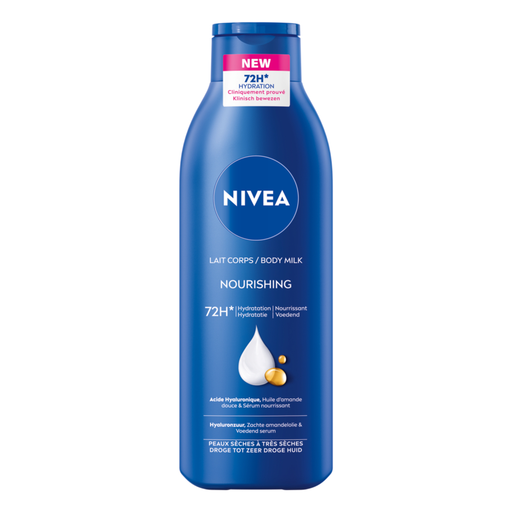
Why it suits this profile: An accessible body product for dry to very dry skin, with a lightweight texture that, according to the product information, absorbs quickly.
Its intended use is clearly defined as a body milk. The ingredients list includes glycerine, sodium hyaluronate and almond oil; perfume and fragrance allergens are also listed.
250 ml, hyaluronic acid and almond oil; according to NIVEA’s own research, up to 72 hours of hydration has been measured.

Why it suits this profile: A face gel cream for anyone looking for a fragrance-free, oil-free texture that can be used during the day or under make-up.
The product information specifies use on the face and describes it as fragrance-free, alcohol-free and non-comedogenic. The claim of up to 100 hours of hydration remains a Clinique claim.
75 ml, gel cream, fragrance-free and suitable for several skin types according to the product specifications.
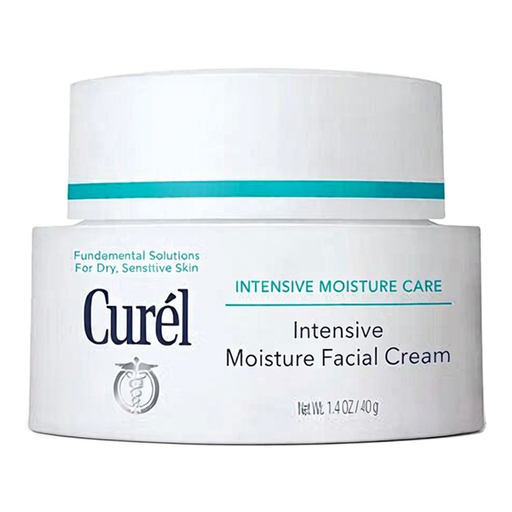
Why it suits this profile: Designed for dry, sensitive skin and intended as a face cream for daily use.
The formula contains glycerine, allantoin and a ceramide-like ingredient. The product information states that it has been dermatologically tested; if you have sensitive skin, check the full ingredients list nonetheless.
40 g, lightweight texture according to the product description, and intended for dry, sensitive skin.
We have compiled a complete, up-to-date list of products that fully meet these strict selection criteria and the applicable European safety regulations.
Apply the cream to clean skin and follow the dosage instructions on the label. Body milk is practical to use after showering, while the skin is not yet completely dry. A face cream is usually applied after cleansing and, if desired, a serum. Massage it in gently and avoid direct contact with the eyes.
Check the expiry date and the open-jar symbol, such as 12M or 24M. Store the product in a cool, dry place away from direct sunlight. A change in smell, colour or texture may mean that you should no longer use the product.
No. The price reflects not only the ingredients, but also the brand, packaging and positioning. Compare the intended use, contents per millilitre, texture, fragrance and relevant ingredients. This will help you find a cream for dry skin that better suits your routine and budget.
